

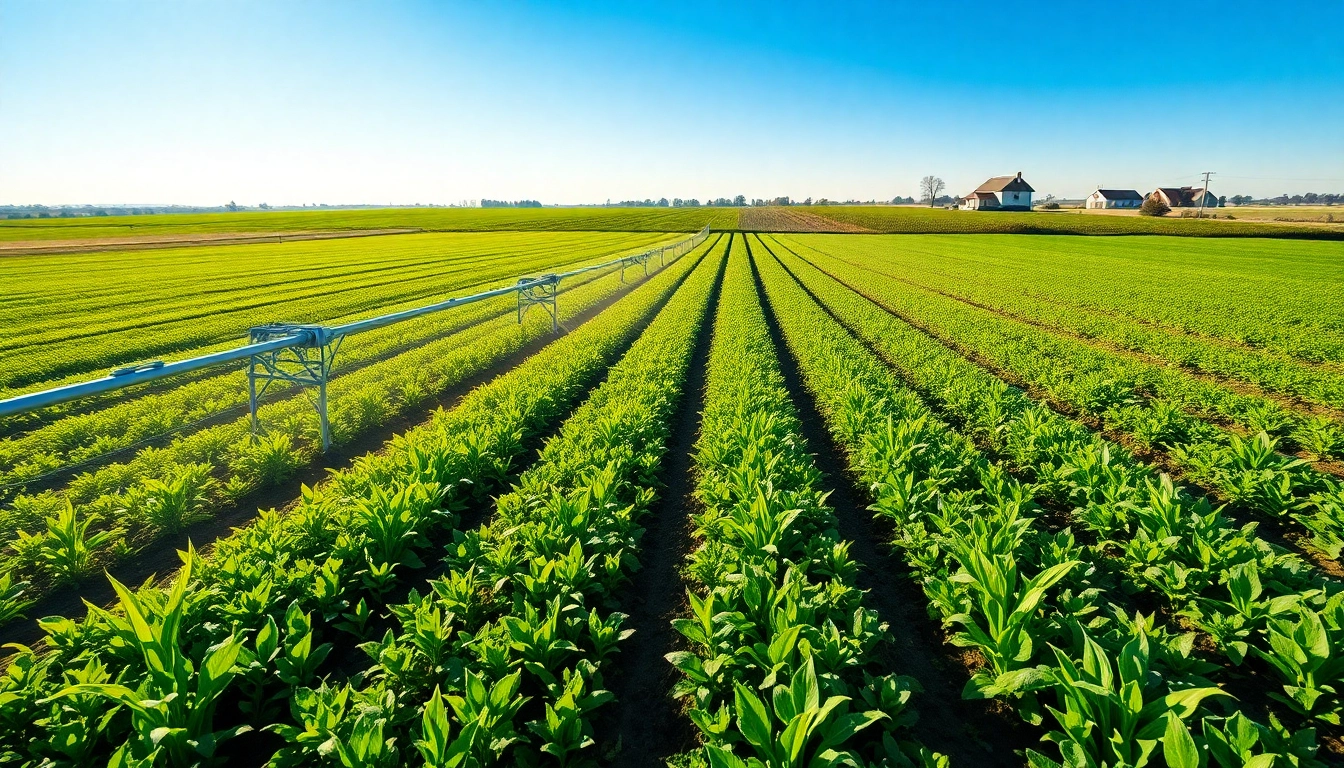
Understanding Land Irrigation
What is Land Irrigation?
Land irrigation is the process of supplying water to agricultural land or crops through various techniques. This water delivery can be achieved by various means—both traditional and modern—ensuring that plants receive the moisture they need to thrive, especially in areas where rainfall is inadequate. By optimizing conditions for crop growth, land irrigation plays a crucial role in agricultural productivity, particularly in regions facing water scarcity or seasonal droughts. The methods employed can range from surface irrigation, where water flows over the field, to more advanced techniques like drip irrigation, where water is delivered directly to the roots of the plants. The practice of land irrigation has evolved over centuries, meeting the varying demands of farming in diverse climates and terrains.
Importance of Land Irrigation in Agriculture
The significance of land irrigation in agriculture cannot be overstated. It serves as a lifeline for crops, ensuring consistent yields and quality produce. With global populations on the rise, the demand for food has surged, placing greater pressure on agricultural systems. Efficient irrigation management enhances crop resilience against climate fluctuations, leading to improved food security. Furthermore, by enabling farmers to cultivate during dry seasons, land irrigation expands the farming calendar, ensuring a steady supply of fresh produce year-round.
Types of Land Irrigation Methods
Various irrigation methods have been developed to address the specific needs of different types of crops and environmental conditions. Here’s a detailed overview of the primary irrigation techniques:
- Surface Irrigation: Involves water flowing over the soil surface and soaking into the ground, widely used for row crops and orchards.
- Drip Irrigation: A highly efficient method where water drips directly onto the soil at the root zone of the plant, minimizing evaporation and runoff.
- Sprinkler Irrigation: Uses a system of pipes to distribute water through a network of spray heads or hoses, mimicking natural rainfall.
- Subsurface Irrigation: Involves placing irrigation tubing below the soil surface, effectively delivering moisture directly to the roots and reducing evaporation.
- Localized Irrigation: Targets specific areas or plants, making this method particularly effective for high-value crops or garden beds.
Best Practices for Land Irrigation
Optimizing Water Usage
Water scarcity is an ever-growing concern in agriculture. Optimizing water usage is essential not just for sustainability but also for cost-efficiency. Effective strategies include:
- Implementing advanced irrigation technologies, such as soil moisture sensors and smart controllers.
- Creating irrigation schedules based on weather forecasts and soil conditions, allowing for precise watering.
- Utilizing rainwater harvesting systems to supplement irrigation needs.
Choosing the Right Irrigation System
Selecting the appropriate irrigation system is critical to maximizing efficiency and minimizing water waste. Factors to consider include soil type, crop needs, and water availability:
- Analyze soil drainage and moisture retention capabilities to choose between drip or surface irrigation.
- Select pumps and delivery systems that match the landscape’s elevation and water pressure requirements.
- Consider the long-term maintenance and operational costs associated with different irrigation techniques.
Soil Management Techniques
Healthy soil is paramount for efficient land irrigation. Implementing good soil management practices can significantly enhance irrigation effectiveness:
- Regularly test soil composition to identify nutrient needs and improve fertility through appropriate amendments.
- Encourage organic matter through cover crops and composting to boost soil structure and moisture retention.
- Employ crop rotation and diversification to enhance biodiversity and reduce disease risk in the soil.
Innovative Technologies in Land Irrigation
Smart Irrigation Systems
Smart irrigation systems incorporate sensors and wireless technology to automate and optimize watering schedules based on real-time data. These systems can adjust water delivery depending on environmental factors, such as rainfall, wind speed, and humidity, ensuring that crops receive the right amount of water at the right time. Integrating smart technologies leads to significant water savings and can reduce energy costs associated with pumping.
Automation in Land Irrigation
Automation in irrigation allows for substantial labor savings and more precise water application. By utilizing programmable timers and controllers, farmers can schedule irrigations even when they are not physically on site. This technology reduces human error and ensures consistent application rates, helping to prevent water overuse—an essential aspect in areas facing drought conditions.
Data-Driven Decisions in Irrigation
The use of big data and analytics in land irrigation is transforming traditional farming practices. Farmers can gather data on weather patterns, soil conditions, and crop health using remote sensing and mobile applications. By analyzing this data, they can make informed decisions about irrigation timing, crop selection, and resource allocation, ultimately enhancing overall farm productivity.
Challenges in Land Irrigation
Water Scarcity Issues
Water scarcity is one of the most significant challenges facing land irrigation today. With over-extraction from aquifers and diminishing freshwater sources, farmers must adapt to increasingly limited water supplies. Strategies to combat these challenges include investing in efficient irrigation technologies, exploring alternative water sources, and adopting water conservation practices.
Environmental Concerns
Land irrigation can have environmental repercussions, such as salinization and habitat destruction. Unsustainable practices may degrade soil health and biodiversity. To mitigate these impacts, farmers should embrace sustainable irrigation techniques that minimize disturbances, such as drip or subsurface irrigation, which reduces surface runoff and promotes ecological balance.
Regulatory Barriers
Regulatory challenges often hinder the adoption of innovative irrigation practices. Farmers may face restrictions on water usage or be obligated to follow outdated guidelines. To navigate these barriers, farmers should stay informed about local regulations, engage in community discussions, and advocate for policies that support sustainable land irrigation practices.
Measuring Success in Land Irrigation
Key Performance Indicators for Irrigation
Measuring the success of land irrigation involves analyzing various key performance indicators (KPIs) to assess efficiency, sustainability, and yield outcomes. Common KPIs include:
- Water use efficiency—quantifying the amount of crop yield per unit of water used.
- Soil moisture levels—tracking moisture content to help determine irrigation needs.
- Crop yield—measuring the quantity and quality of produce harvested from irrigated land.
Feedback Loops for Continuous Improvement
Establishing feedback loops is vital for refining irrigation practices. By regularly reviewing performance data, farmers can identify inefficiencies and adjust irrigation strategies promptly. Providing training for farm staff on the latest irrigation technologies can foster a culture of adaptability and innovation.
Case Studies of Successful Land Irrigation
Examining successful case studies offers valuable insights into effective land irrigation practices. For instance, a community that adopted a collective water management approach saw a significant improvement in crop yield and reduced water usage by implementing rotational irrigation schedules. These examples can serve as blueprints for other farmers aiming to enhance their irrigation strategies.
FAQs about Land Irrigation
What is the primary purpose of land irrigation?
The primary purpose of land irrigation is to provide adequate moisture to crops, enhancing growth and ensuring consistent agricultural yields, particularly in water-scarce regions.
What are the benefits of drip irrigation?
Drip irrigation delivers water directly to the plant roots, reducing evaporation, minimizing runoff, optimizing water usage, and improving crop health and yields.
How can I improve water efficiency in my irrigation system?
You can improve water efficiency by using smart irrigation technologies, scheduling irrigation based on weather patterns, and implementing soil moisture sensors for real-time monitoring.
What challenges do farmers face with land irrigation?
Farmers face challenges such as water scarcity, environmental impacts from practices, and regulatory barriers that can limit irrigation effectiveness and sustainability.
How do I measure the effectiveness of my irrigation?
Measuring effectiveness involves tracking key performance indicators like water use efficiency, crop yield, and soil moisture levels, ensuring your irrigation strategies are optimized for results.