
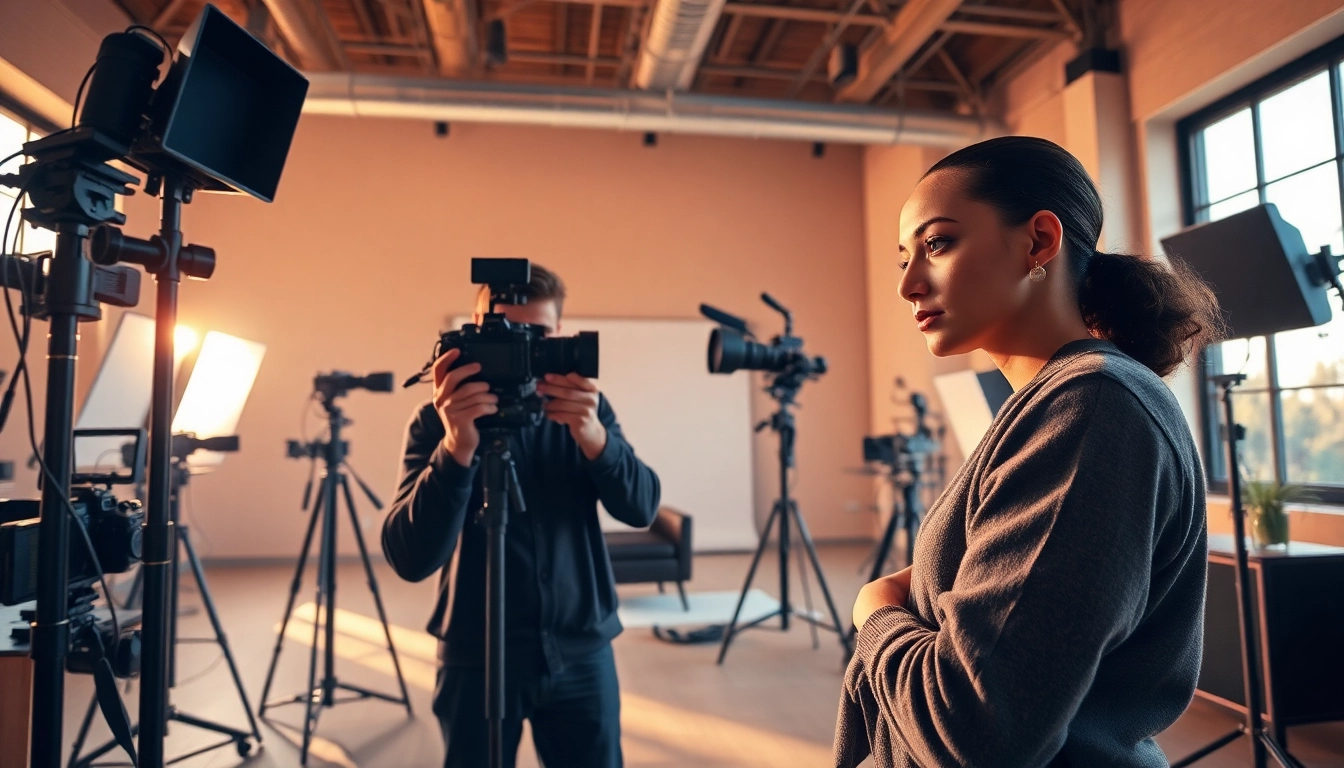
Introduction to Professional Photography Training
In a world that constantly craves visual content, the demand for skilled photographers continues to rise. For those looking to transform their passion into a viable career, professional photography training is a crucial step. With the right guidance and knowledge, aspiring photographers can develop the skills necessary to capture stunning images that resonate with audiences and meet industry standards.
What is Professional Photography Training?
Professional photography training encompasses various programs and courses designed to improve the technical and artistic abilities of photographers at all levels. This training can cover a broad range of topics, including camera operation, lighting techniques, composition, post-processing, and more. Ultimately, the goal is to equip individuals with the necessary tools to succeed in the competitive photography industry.
Benefits of Professional Photography Training
Enrolling in professional photography training offers numerous benefits:
- Skill Development: Participants gain hands-on experience and learn from seasoned professionals.
- Portfolio Building: Training programs often provide opportunities to work on various projects, enhancing your portfolio.
- Networking Opportunities: Meeting industry experts and fellow aspiring photographers can lead to future collaborations and job prospects.
- Increased Confidence: Through practice and constructive feedback, trainees build confidence in their abilities.
- Certifications and Qualifications: Completing a recognized program can bolster your credibility in the industry.
Who Should Consider Professional Photography Training?
Professional photography training is ideal for various groups of individuals, including:
- Aspiring Photographers: Those looking to turn a hobby into a profession.
- Amateur Photographers: Individuals seeking to improve their skills and knowledge.
- Students: Young learners interested in pursuing photography as part of their academic or vocational education.
- Professionals in Other Fields: Marketing, real estate, or events professionals looking to enhance their visual storytelling capabilities.
Types of Professional Photography Training Programs
Online vs. In-person Training
The choice between online and in-person training depends on personal preferences and circumstances. Online programs offer flexibility and often at a lower cost, making them accessible to many. Conversely, in-person training provides immediate feedback and a collaborative environment. Both modalities have their merits and can effectively enhance your photography skills.
Workshops and Masterclasses
Workshops and masterclasses present concentrated learning experiences, often led by industry experts. These programs typically focus on specific techniques or aspects of photography, allowing participants to dive deep into topics such as portraiture, wildlife photography, or commercial photography. Engaging in these formats fosters an interactive environment that encourages creative exploration.
Certification Programs
Certification programs offer formal recognition of your photographic skills and knowledge. These programs typically require completion of coursework, projects, and assessments. Obtaining certifications can significantly bolster your resume and demonstrate your commitment to professional development in photography.
Essential Skills Covered in Professional Photography Training
Technical Skills: Camera Operation and Settings
Mastering your camera is the foundation of becoming a proficient photographer. Training programs emphasize key technical skills, including:
- Understanding Camera Modes: Knowledge of manual, aperture priority, and shutter priority modes allows for creative control over your shots.
- Exposure Triangle: Familiarity with ISO, shutter speed, and aperture settings is crucial for achieving desired exposure.
- Focusing Techniques: Understanding depth of field and focus modes enhances sharpness and clarity in your images.
Composition Techniques: Framing Your Shots
Composition greatly impacts the visual appeal of photographs. Training focuses on various techniques:
- Rule of Thirds: Placing subjects along the grid intersections helps create balanced and engaging photos.
- Leading Lines: Utilizing natural lines in the environment guides viewers’ attention to the focal point.
- Framing and Perspective: Bold choices in framing and unique perspectives can alter the mood and meaning of a photograph.
Post-Processing Skills: Editing Like a Pro
Post-processing is an essential aspect of modern photography that allows for image enhancement. Many training programs cover software such as Adobe Lightroom and Photoshop, where participants learn to:
- Edit Exposure and Color: Adjusting brightness, contrast, and saturation can significantly improve an image’s quality.
- Retouching: Removing imperfections and enhancing details can result in a polished final product.
- Creative Edits: Applying filters, cropping, and compositing techniques enables photographers to push their artistic vision.
Choosing the Right Professional Photography Training
Identifying Your Learning Style
Understanding your learning style is vital in selecting the most effective training format. Visual learners may prefer hands-on workshops, while auditory learners might benefit from lecture-based courses. Assessing how you best absorb information ensures you choose a program that aligns with your strengths.
Researching Course Content and Structure
Before enrolling, it’s essential to research the course content and structure. Look for programs that cover a diverse range of topics, including both technical skills and artistic concepts. Additionally, consider the pacing of the course and whether it aligns with your schedule and learning goals.
Reading Reviews and Testimonials
Before committing to any program, reading reviews and testimonials from previous students provides insight into the quality of the training. Look for feedback on the instructors, course material, and overall experience. This research can help you make an informed decision and find a program that meets your expectations.
Frequently Asked Questions about Professional Photography Training
What is the cost of professional photography training?
The cost of professional photography training varies widely based on the program. Courses may range from a few hundred to several thousand dollars. Always evaluate what’s included in the tuition before committing.
How long does professional photography training typically take?
Training duration can vary widely, with some courses spanning a weekend or several weeks, while certification programs can take several months to complete. It depends on the program structure and your learning pace.
Can I apply professional photography training skills immediately?
Yes! Many skills learned in professional photography training can be applied immediately, especially technical skills like handling a camera, basic editing, and composition techniques.
What equipment do I need for professional photography training?
Basic equipment generally includes a DSLR or mirrorless camera, various lenses, a tripod, and a laptop for editing. Some training programs may recommend specific equipment based on the course focus.
Are there prerequisites for enrolling in professional photography training?
Prerequisites vary by program. While some courses require a basic understanding of photography, others may be suitable for complete beginners. It’s essential to check with the specific course details.