

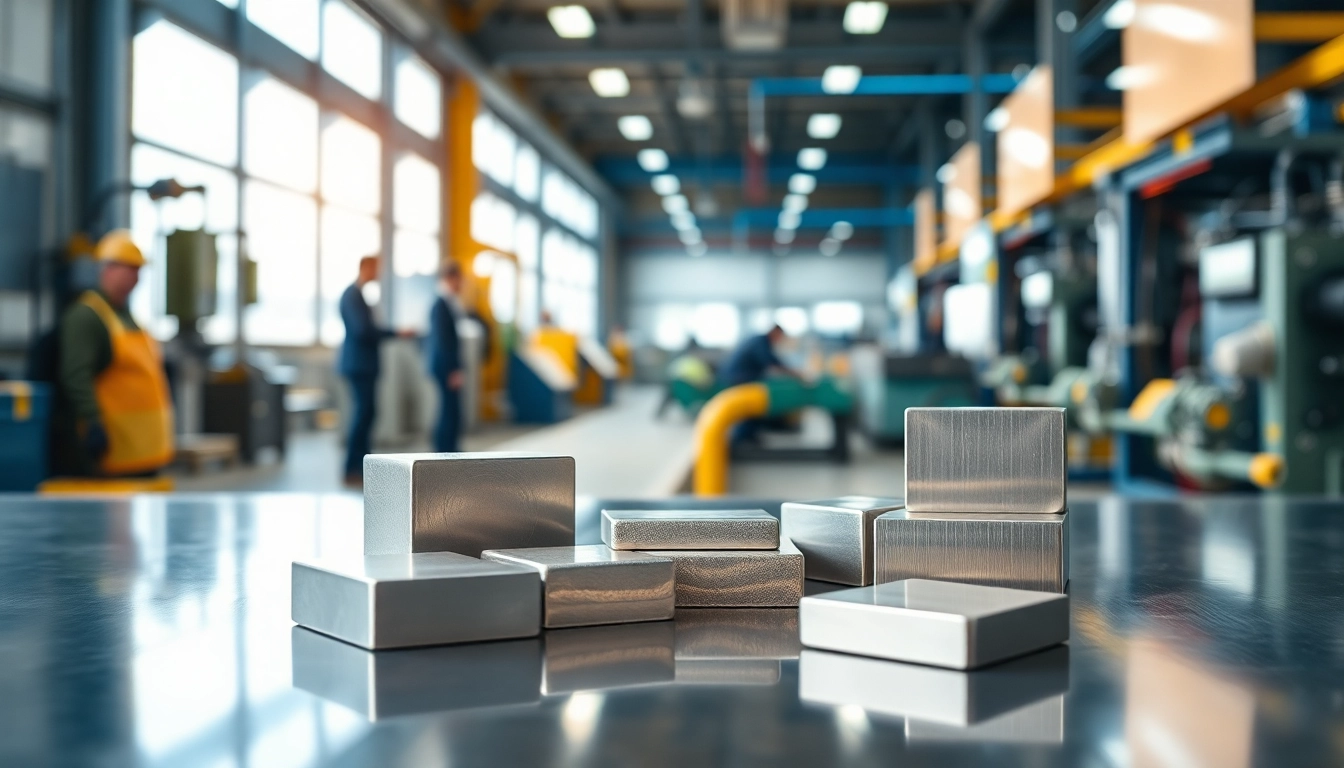
Understanding Alnico Magnets Manufacturing
What are Alnico Magnets?
Alnico magnets are a type of permanent magnet made primarily from aluminum, nickel, and cobalt. They belong to the category of alloy magnets, which means their magnetic properties stem from the unique blend of these metals. Alnico magnets are known for their excellent magnetic stability and capability to work in high-temperature environments, making them a preferred choice for various applications in different industries.
The name Alnico is derived from the primary components of this type of magnet: Aluminum, Nickel, and Cobalt. These elements, combined with iron and other trace metals, form a powerful magnetic material. Alnico magnets are distinct from other magnets such as Neodymium and Ferrite due to their specific properties and manufacturing techniques.
Properties of Alnico Magnets
Understanding the properties of Alnico magnets is essential for any industry professional or potential buyer aiming to use these magnets effectively. Below are some key properties:
- High Magnetic Strength: Alnico magnets have a strong magnetic field, with the ability to generate a magnetic force that can withstand significant external interference.
- Temperature Resistance: They can operate efficiently at temperatures as high as 550 degrees Celsius, outperforming many standard magnets.
- Corrosion Resistance: Alnico magnets tend to resist corrosion without the need for coatings, making them suitable for various environmental conditions.
- Stability: They maintain their magnetic strength over time, making them reliable for applications that require long-term performance.
Manufacturing Processes for Alnico Magnets
The manufacturing of Alnico magnets typically involves two main processes: casting and sintering. Each approach imparts unique characteristics to the final product.
1. Casting Process
In the casting process, the alloy is melted and poured into molds to create the desired shape. This method allows for complex geometries and thicker magnets. Once cooled, the magnets are subjected to a magnetic field, aligning the dipoles and enhancing their magnetic properties.
2. Sintering Process
Sintering involves pressing the powder of the Alnico alloy into specific shapes and then heating it without reaching its melting point. This process results in a denser and potentially more powerful magnet. Sintered magnets generally exhibit higher mechanical strength than cast magnets, making them more suitable for critical applications.
Applications of Alnico Magnets
Industrial Uses of Alnico Magnets
Alnico magnets find a wide range of applications across various industries due to their unique properties. Their industrial uses include:
- Electric motors, where they are utilized in both AC and DC motors for reliable performance.
- Magnetic sensors and Hall effect sensors for accurate measurements in automation processes.
- Generators and alternators, leveraging their temperature stability and efficiency.
- Magnetic chucks in machining, providing strong and secure holds on metal components.
Consumer Products Utilizing Alnico Magnets
Beyond industrial applications, Alnico magnets are commonly found in consumer products. They are used in:
- Guitars and musical instruments, enhancing sound quality by providing stable pickup output.
- Refrigerators and kitchen appliances, for magnetic closures and seals.
- Home and office decorative items such as fridge magnets.
Innovative Applications in Technology
Ongoing research and advancements in technology have unlocked innovative applications for Alnico magnets:
- Robot manufacturing, where strength and reliability are paramount for motors and actuators.
- Magnetic resonance imaging (MRI) machines, requiring strong magnets to operate effectively.
- Renewable energy applications, particularly in wind turbines and generators for their high-performance capabilities.
Choosing the Right Alnico Magnets Manufacturer in China
Key Factors in Selection Process
Selecting the right manufacturer for Alnico magnets is critical and involves several key factors:
- Experience: Look for manufacturers with a solid track record in producing Alnico magnets to ensure quality and reliability.
- Customization: Ensure the manufacturer offers customization options that cater to your specific requirements.
- Technical Support: Choose a supplier that provides thorough technical support, helping to address challenges and optimize magnet usage.
Quality Assurance Practices
Quality assurance is pivotal in the manufacturing process of Alnico magnets. Assess manufacturers based on their quality control processes, which may include:
- Material testing to confirm the integrity of raw materials used.
- In-process inspections during manufacturing to catch errors early.
- Final product evaluations to ensure magnetic strength and performance meet established standards.
Understanding Pricing and Manufacturing Terms
Pricing can vary significantly between manufacturers, influenced by several factors such as:
- Raw material costs, which can fluctuate based on market demand.
- Manufacturing processes used—cast magnets may be priced differently from sintered ones.
- Volume of order, with bulk purchases often yielding discounts.
Comparing Alnico Magnets with Other Types
Benefits Over Rare Earth Magnets
When comparing Alnico magnets with rare earth magnets such as Neodymium, there are distinct benefits:
- Higher temperature stability in Alnico, making them suitable for applications exposed to heat.
- Reduced cost in some cases, allowing for budget-friendly solutions while maintaining decent performance.
- Lower risk of demagnetization due to extreme conditions, contributing to longevity in applications.
Performance in High-Temperature Environments
One of the crucial advantages of Alnico magnets is their performance in high-temperature environments, making them indispensable in industries like automotive and aerospace where heat can be a significant factor.
Weight and Size Considerations
Alnico magnets typically weigh more than their rare earth counterparts for the same magnetic strength. This factor could influence design considerations in applications where weight tolerance is critical, such as in aerospace sectors.
Future Trends in Alnico Magnet Manufacturing
Innovations in Materials and Processes
The future of Alnico magnets looks promising with innovations continuously reshaping the industry. Manufacturers are exploring new alloy combinations and advanced processing techniques to enhance magnetic strength and reduce costs.
Sustainability in Magnet Manufacturing
As industries worldwide shift towards sustainability, Alnico magnet manufacturers are investigating eco-friendly production methods. This includes reducing waste during production and ensuring that sourced materials have minimal environmental impact.
Market Demand and Forecasting
The demand for Alnico magnets is expected to remain strong in various sectors, including electronics, renewable energy, and automotive industries. Key trends influencing this demand include advancements in technology and the rise of new markets seeking robust and reliable magnetic solutions.
For those looking for a reliable Alnico magnets manufacturer in china, understanding these factors and the landscape of Alnico magnet applications is crucial. Proper selection based on the outlined criteria can significantly enhance product performance in respective industries.


