Understanding Fly Fishing Line Types
What is Fly Fishing Line?
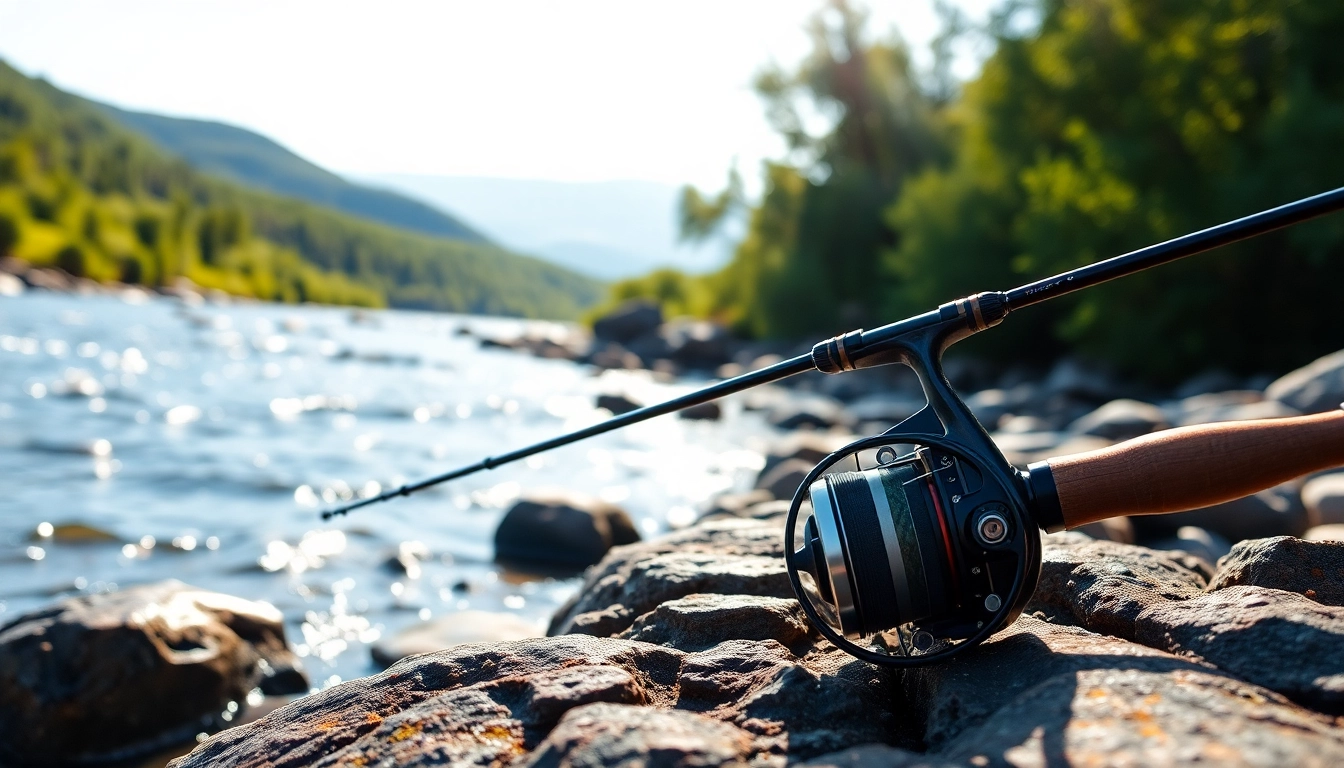
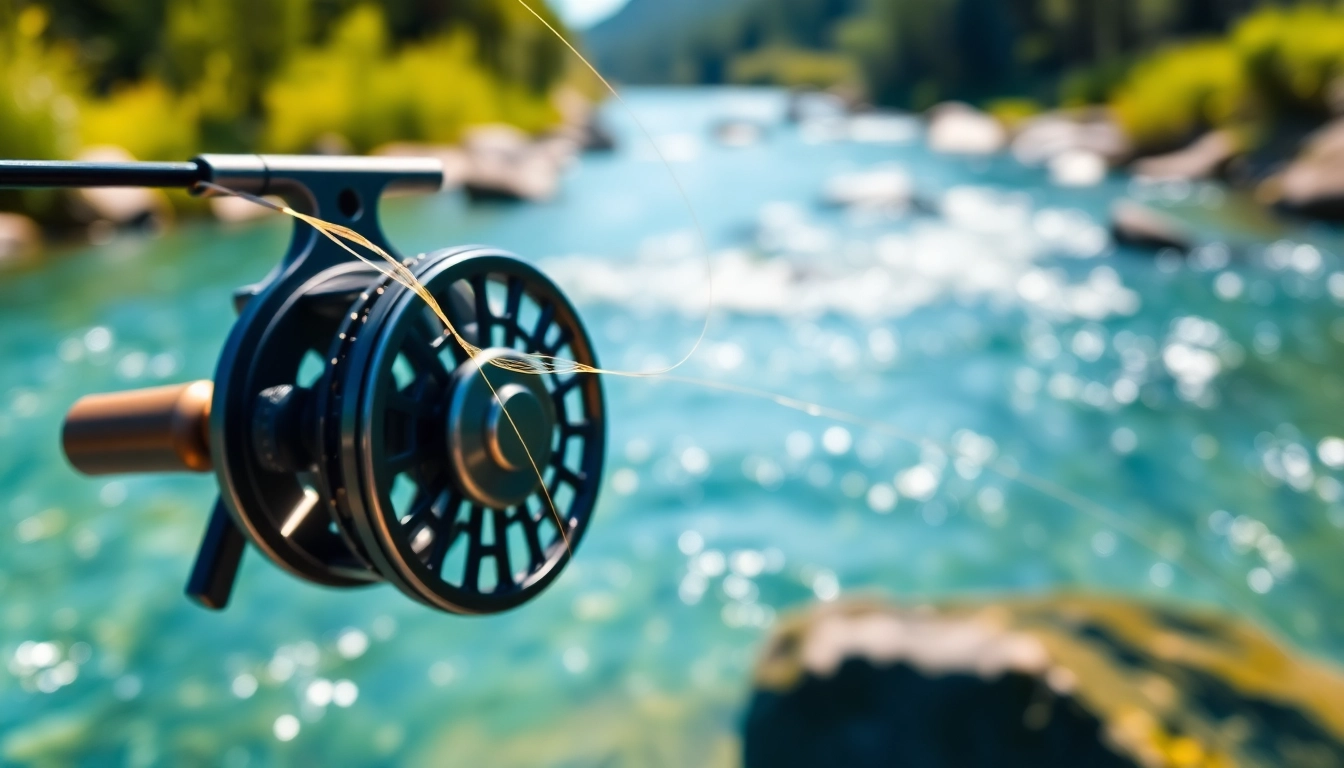
Fly fishing line is a specialized type of fishing line designed specifically for fly fishing techniques. Unlike conventional fishing lines that use weights to sink, fly fishing relies on the line’s design to deliver the fly to the fish. Fly fishing line typically features a thicker diameter to allow for controlled casting and line management in varied water conditions. For those actively engaging in the sport, a well-chosen Fly fishing line can make all the difference.
Different Types of Fly Fishing Line Explained
There are several types of fly fishing lines, each tailored for specific fishing conditions and styles. Here are the main categories:
- Floating Lines: These are the most common and widely used. They float on the surface, making them ideal for dry flies and for fishing in the surface layer of the water.
- Sinking Lines: Designed to submerge below the water’s surface. They are effective for targeting fish that inhabit deeper waters.
- Intermediate Lines: These lines sink slowly, allowing anglers to fish at intermediate depths. They are versatile for various fishing situations.
- Weight Forward (WF) Lines: These lines have added weight in the front, making them easier to cast. They are particularly favored for distance casting.
- Double Taper (DT) Lines: With a weight distribution that tapers at both ends, DT lines are great for delicate presentations and are ideal for short casting scenarios.
- Euro Nymphing Lines: Specifically designed for nymph fishing techniques, these lines are lightweight and offer high sensitivity for detecting bites.
How to Choose the Right Fly Fishing Line for Your Needs
Selecting the correct fly fishing line is crucial for a successful fishing experience. Consider the following factors:
- Weight: Match the fly line weight to the weight of your rod and the size of the flies you’ll be using.
- Water Type: Determine if you’ll be fishing in freshwater or saltwater, as this will guide your choice in line material and taper.
- Fishing Technique: Consider whether you will be using dry flies, nymphs, or streamers and select a line that complements your chosen method.
- Environment: Think about the conditions you will face, including wind and water structure, to ensure you have a responsive line.
Matching Fly Fishing Lines to Rods
The Importance of Line Weight in Fly Fishing Line
Line weight is one of the most critical aspects of matching your fly fishing line to your rod. Fly rods are rated for specific line weights, and using the correct weight is essential for optimal casting and fish control. If the line is too heavy, it can overwhelm the rod, resulting in poor performance. Conversely, a line that is too light may not cast effectively and could lead to frustration when trying to present your fly accurately.
How Fly Fishing Line Influences Casting Performance
The performance of your casting is heavily influenced by the type and weight of your fly fishing line. Factors include:
- Line Taper: The design of the line affects its ability to cast. Weight Forward lines roll out systems for easy loading, while Double Taper lines offer more delicate presentations.
- Diameter: A line’s thickness can also play a role in casting distance and precision, with thinner lines offering less air resistance.
- Material: High-performance materials provide less memory and enhanced water repulsion, resulting in better casting under challenging conditions.
Choosing Compatible Gear for Optimal Results
For matching equipment, ensure that your rod, reel, and line are compatible. This harmony enables optimal line management, casting performance, and sensitivity to bites. When combining gear, it’s vital to assess the specifications for weight, intended use, and the type of fishing environments you’ll engage in.
Advanced Techniques for Fly Fishing Line Usage
Line Management: Techniques for Success
Effective line management is essential for success on the water. Some advanced techniques include:
- Curved Casts: Helps deliver flies into tight spots and allows for better line control.
- Roll Casts: Perfect for casting without backcasting space, enabling you to effectively present flies in thick cover.
- Reach Casts: This technique adds a reach component to your cast, preventing drag and improving the natural drift of your fly.
Improving Your Casting Techniques with Fly Fishing Line
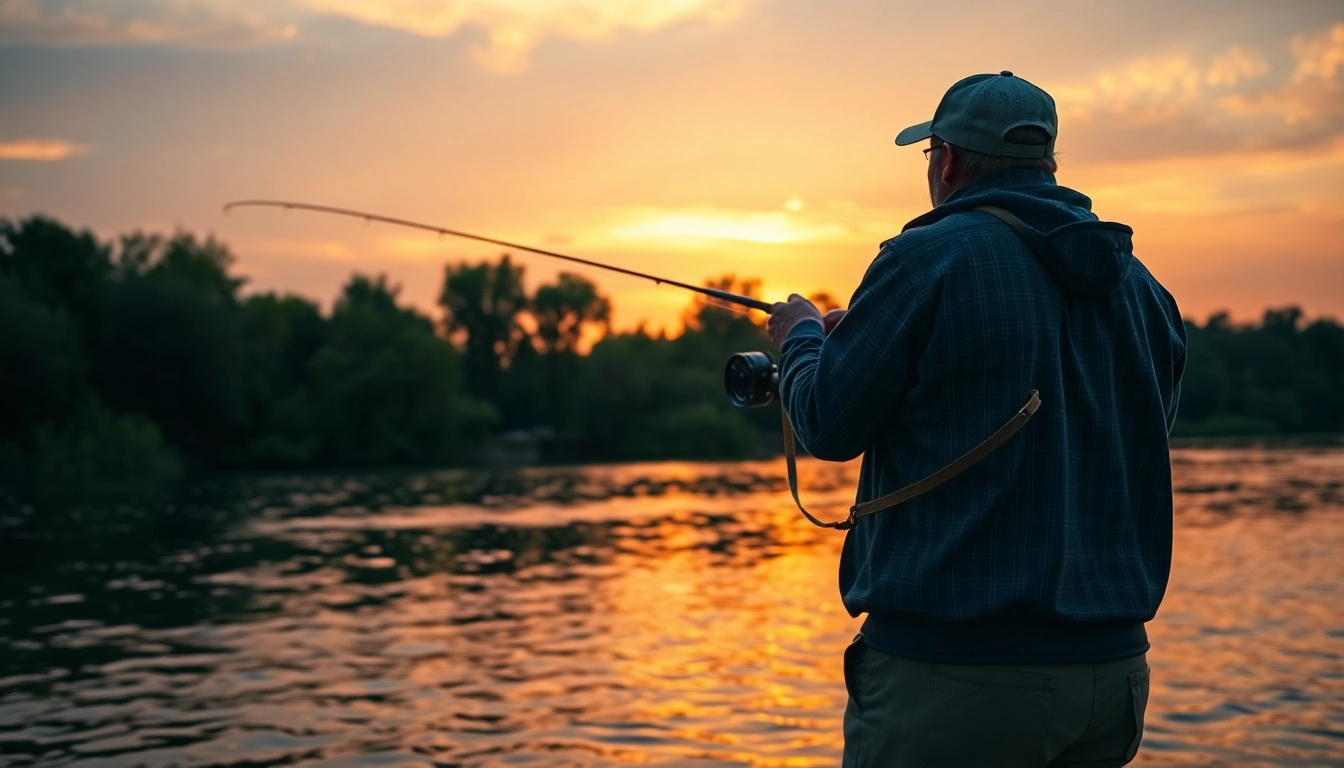
Practicing various casting techniques will enhance your accuracy and distance. Focus on:
- Maintaining a consistent rhythm in your casting motion to minimize fatigue and improve precision.
- Using your wrist to generate the necessary motion rather than relying solely on arm strength.
- Practicing double-hauling to maximize distance and line speed for long casts.
Utilizing Line Tapers for Different Fishing Scenarios
Different fishing scenarios require varying line tapers to ensure effectiveness:
- Use Weight Forward lines for windy conditions where long casts are necessary.
- Choose Double Taper lines in calm conditions for delicate presentations.
- Employ Euro Nymphing lines when fishing at varying depths with smaller, lighter flies.
Fly Fishing Line Maintenance and Care
Cleaning and Storing Fly Fishing Line
Maintaining your fly fishing line properly can extend its life significantly. Regularly cleaning it removes dirt and oils that can degrade performance. Store lines in a cool, dry place away from direct sunlight. Rolling them back onto their spool neatly without kinks is essential for preventing tangles.
Recognizing Signs of Wear and Tear
It’s vital to regularly inspect your fly fishing line for any signs of damage, including:
- Frays: Look for any thin areas or weak spots along the line.
- Discoloration: Fading in color can indicate exposure to UV rays and deterioration of materials.
- Memory: A line that retains coils may affect your casting performance and should be addressed.
Tips for Extending the Life of Your Fly Fishing Line
Extending the life of your fly fishing line can be achieved through careful practices, including:
- Frequent cleaning with mild detergent followed by thorough rinsing and drying.
- Avoiding contact with sharp surfaces and rough textures that can cause abrasion.
- Using line conditioners periodically to prevent stiffness and to maintain smooth performance.
Frequently Asked Questions About Fly Fishing Line
What is the best fly fishing line for beginners?
The best fly fishing line for beginners is typically a Weight Forward floating line, as it offers versatility and ease in casting.
How often should I replace my fly fishing line?
Consider replacing your fly fishing line every 1-3 years, depending on usage and visible wear and tear noticed during inspections.
Can I use a single fly fishing line for various species?
Yes, but it’s advisable to choose a fly fishing line that matches the weights of the species you’re targeting for optimal performance.
What characteristics affect fly fishing line performance?
Line weight, taper design, material type, and condition all heavily influence the casting ability and sensitivity of the fly fishing line.
Is there a difference between freshwater and saltwater fly fishing line?
Yes, saltwater fly fishing lines are typically made from more durable materials to withstand harsher environments and are designed to resist corrosion.