Understanding Steel Structure Design
What is Steel Structure Design?
Steel structure design refers to the intricate process of planning, analyzing, and constructing buildings or frameworks primarily made from steel. This design approach is fueled by the inherent properties of steel, such as its strength, durability, and versatility, allowing it to be shaped into various forms and sizes. Engineers and architects employ specific methodologies and principles to ensure that structures can withstand multiple external forces, including gravity, wind, and seismic activity. Steel structure design has become a cornerstone in modern architecture because of its efficiency in material usage and its ability to create expansive, flexible spaces.
Key Benefits of Steel Structure Design
Choosing steel for construction offers numerous advantages:
- Strength: Steel’s exceptional tensile strength allows it to support heavier loads compared to other materials, enabling the construction of taller and more complex structures.
- Durability: Steel is resistant to many environmental factors, such as fire, termites, and rot, leading to longer lifespans of buildings while often requiring less maintenance.
- Speed of Construction: Prefabrication of steel components can result in rapid on-site assembly, significantly reducing construction times.
- Cost-effective: Although initial costs can vary, steel offers long-term savings through reduced maintenance and greater energy efficiency.
- Design Flexibility: Steel can be molded into intricate designs, allowing for creative architectural solutions that are challenging with traditional materials.
Challenges in Steel Structure Design
Despite the myriad benefits, steel structure design doesn’t come without its challenges:
- Corrosion: Steel is susceptible to rust if not properly treated, necessitating protective measures like galvanization or paint.
- Thermal Conductivity: Steel can conduct heat, which may lead to energy inefficiencies if insulation is inadequate.
- Fabrication Precision: The need for precise measurements can complicate the fabrication process, requiring skilled labor and advanced technology.
- Cost Fluctuations: The prices of raw steel materials can be volatile, influenced by market demands and economic conditions.
Elements of Effective Steel Structure Design
Essential Components of Steel Structures
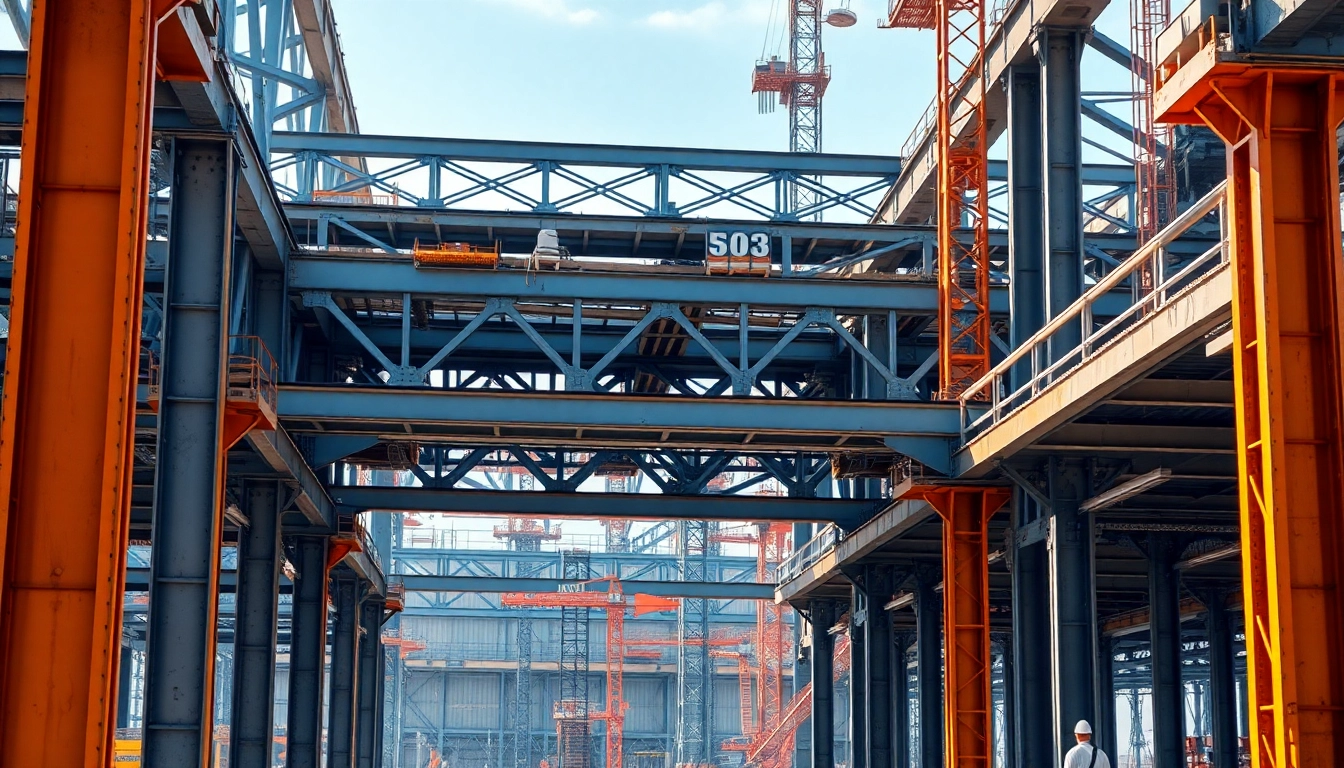
A steel structure is composed of various elements working synergistically. Key components include:
- Beams: Horizontal structural members supporting loads from above.
- Columns: Vertical elements transferring loads to the foundation.
- Braces: Diagonal supports that increase rigidity and stability against lateral forces.
- Connections: Welds, bolts, and other types of joints crucial for maintaining the integrity of the structure.
- Foundations: The base that supports the entire weight of the structure, ensuring stability and load distribution.
Design Methods and Techniques
Effective steel structure design employs various methods that enhance stability and performance:
- Load Bearing Analysis: Assessing all potential loads and stresses to ensure the structure can handle them safely.
- Finite Element Analysis (FEA): Using computer simulations to understand how compositions react to forces.
- Parametric Design: A flexible design approach that leverages software to manipulate structures based on changing parameters.
- Modular Design: Prefabricating components off-site and assembling them on-site to reduce labor and material costs.
Material Selection for Steel Structures
Choosing the right type of steel is crucial for the success of the project. Different grades and types of steel have varying properties:
- Mild Steel: Commonly used for its weldability and ductility.
- High Strength Low Alloy (HSLA) Steel: Offers enhanced strength without significant weight increase, suitable for demanding applications.
- Stainless Steel: Corrosion-resistant, ideal for exposed applications or hazardous environments.
Ultimately, the selection process must also consider factors such as cost, availability, and environmental impact.
Best Practices for Steel Structure Design
Regulatory Requirements and Standards
Compliance with local, national, and international building codes is essential in steel structure design. Familiarity with standards such as AISC and Eurocode ensures structures meet safety, reliability, and durability criteria. Following these regulations helps avoid legal issues and guarantees the safety of occupants. Conducting regular inspections during construction phases can also ensure adherence to safety standards.
Cost-effective Design Strategies
Balancing quality with cost is critical in steel structure projects. Implementing the following strategies can achieve this balance:
- Efficient Use of Materials: Optimize the design to minimize material use without compromising safety and performance.
- Reusability: Design for the potential to dismantle and reuse elements in future projects.
- Standardization: Using standardized components can reduce fabrication costs and lead to faster assembly.
Site Considerations and Logistics
When planning a steel structure project, understanding site conditions is crucial for optimal design:
- Soil Stability: Proper geotechnical evaluations can inform foundation design to accommodate load distribution.
- Access for Delivery: Ensure easy access for transporting large steel components and equipment.
- Weather Conditions: Planning construction timelines to avoid seasonal disruptions or challenges.
Innovations in Steel Structure Design
Advancements in Technology
Technology plays a pivotal role in modern steel structure design, with innovations enhancing efficiency and accuracy:
- Building Information Modeling (BIM): Provides a digital representation of the structure that aids in collaboration and visualization.
- 3D Printing: Emerging technologies enable rapid prototyping of components, streamlining the fabrication process.
- Smart Materials: Incorporating sensors within steel can allow for real-time monitoring of stress and strain.
Sustainable Steel Structure Design Practices
As environmental concerns grow, sustainable practices are becoming integral to steel structure design:
- Recycling: Steel is one of the most recycled materials, enabling lower carbon footprints.
- Energy Efficiency: Incorporating energy-efficient systems into designs can significantly reduce operational energy costs.
- Green Certifications: Adhering to LEED or similar sustainability frameworks can enhance project appeal and marketability.
Case Studies of Successful Steel Structures
Successful implementations of steel structure design can provide insightful lessons:
- The Burj Khalifa: Utilizing high-strength steel structural components allowed for unprecedented heights, exemplifying innovative design.
- The Pompidou Center: This architectural marvel utilizes exposed structural elements showcasing both aesthetic beauty and functionality.
- The Sydney Harbour Bridge: An iconic example of steel structure design, showcasing durability and engineering excellence.
Future of Steel Structure Design
Emerging Trends in Steel Design
Looking ahead, several emerging trends are shaping the future landscape of steel structure design:
- Modular Construction: A trend toward off-site manufacturing is gaining traction, improving efficiency and reducing waste.
- Integration of AI: Artificial intelligence tools can help optimize designs and predict structural behavior under various conditions.
- Focus on Aesthetics: As steel’s design potential becomes recognized, architects are increasingly incorporating it into visually stunning structures.
Impact of Digital Tools on Steel Structure Design
The digital transformation within the steel industry is enhancing design accuracy:
- Virtual Reality (VR): Enables clients to experience designs before construction begins, fostering better communication and understanding.
- Cloud-based Collaboration: Permits real-time modifications and input from effectively distributed teams, improving project outcomes.
Preparing for the Future of Steel Structures
Preparation involves both embracing technological advancements and sustainability practices:
- Continuous Learning: Professionals should actively stay updated on best practices, technologies, and emerging materials.
- Innovative Partnerships: Collaborating with tech firms can drive innovative solutions and efficiencies in design and construction.
- Feedback Loops: Establishing close project feedback loops can help refine processes and enhance end results.
Frequently Asked Questions
What are the key advantages of steel structure design?
Steel structure design offers strengths such as durability, speed of construction, cost-effectiveness, and design versatility, making it a popular choice for various projects.
How do steel structures handle environmental threats?
Steel structures are engineered to withstand environmental pressures like earthquakes and high winds through careful design methods and material choices.
What materials are used in steel structure design?
Common materials include mild steel, stainless steel, and high-strength low-alloy steel, each chosen for specific strengths and properties for performance.
How does sustainability impact steel structure design?
Sustainability is crucial, emphasizing recycled materials, energy efficiency, and reduced carbon footprints, aligning design practices with environmental goals.
What technological tools are being used in steel structure design?
Modern tools such as Building Information Modeling (BIM), 3D printing, and AI are transforming design workflows, improving accuracy and collaboration.