Understanding the Importance of a Noise Assessment Survey
Noise pollution is an often-overlooked aspect of occupational health and environmental safety, yet it plays a crucial role in the performance, health, and well-being of individuals in various settings. A noise assessment survey serves as a critical tool for detecting harmful noise levels and understanding their impact. In this comprehensive guide, we will delve into the necessity of noise assessment surveys, explore the various types available, outline the steps involved in conducting one, highlight common pitfalls to avoid, and discuss how to analyze and implement findings effectively.
What is a Noise Assessment Survey?
A noise assessment survey is a systematic procedure used to measure sound levels in a specified environment over a particular time period. This involves collecting quantitative and qualitative data about noise sources, transmission pathways, and the effects on human health and activity. Typically conducted using specialized sound level meters and noise dosimeters, this assessment helps in identifying areas with excessive noise and in determining compliance with established regulations.
Why Conduct a Noise Assessment Survey?
Conducting a noise assessment survey is essential for several reasons:
- Health and Safety: Prolonged exposure to high noise levels can lead to hearing loss, stress, and other health issues. Identifying and mitigating these risks is crucial for employee and community welfare.
- Regulatory Compliance: Many industries are mandated by law to perform noise assessments to maintain compliance with occupational health and safety standards. These surveys help organizations adhere to local and federal guidelines.
- Operational Efficiency: Noise can hinder communication and efficiency in workplaces. By evaluating noise levels, companies can implement solutions that enhance productivity.
- Community Relations: For businesses operating near residential areas, conducting a noise assessment survey demonstrates social responsibility and helps maintain good relations with neighbors.
Legal Requirements for Noise Assessment Surveys
Legal stipulations around noise levels vary based on location and type of operation. Organizations often need to comply with regulations set by agencies such as the Occupational Safety and Health Administration (OSHA) in the United States. OSHA guidelines typically require that noise levels do not exceed 90 decibels (dBA) over an 8-hour workday without implementing a hearing conservation program. In addition, state and local laws may impose specific noise control standards aimed at protecting the public from excessive industrial noise.
Types of Noise Assessment Surveys
Different environments necessitate different focuses when conducting noise assessments. The type of survey chosen will depend on the specific setting and objectives. Here we outline three common types of noise assessment surveys:
Occupational Noise Assessment Survey
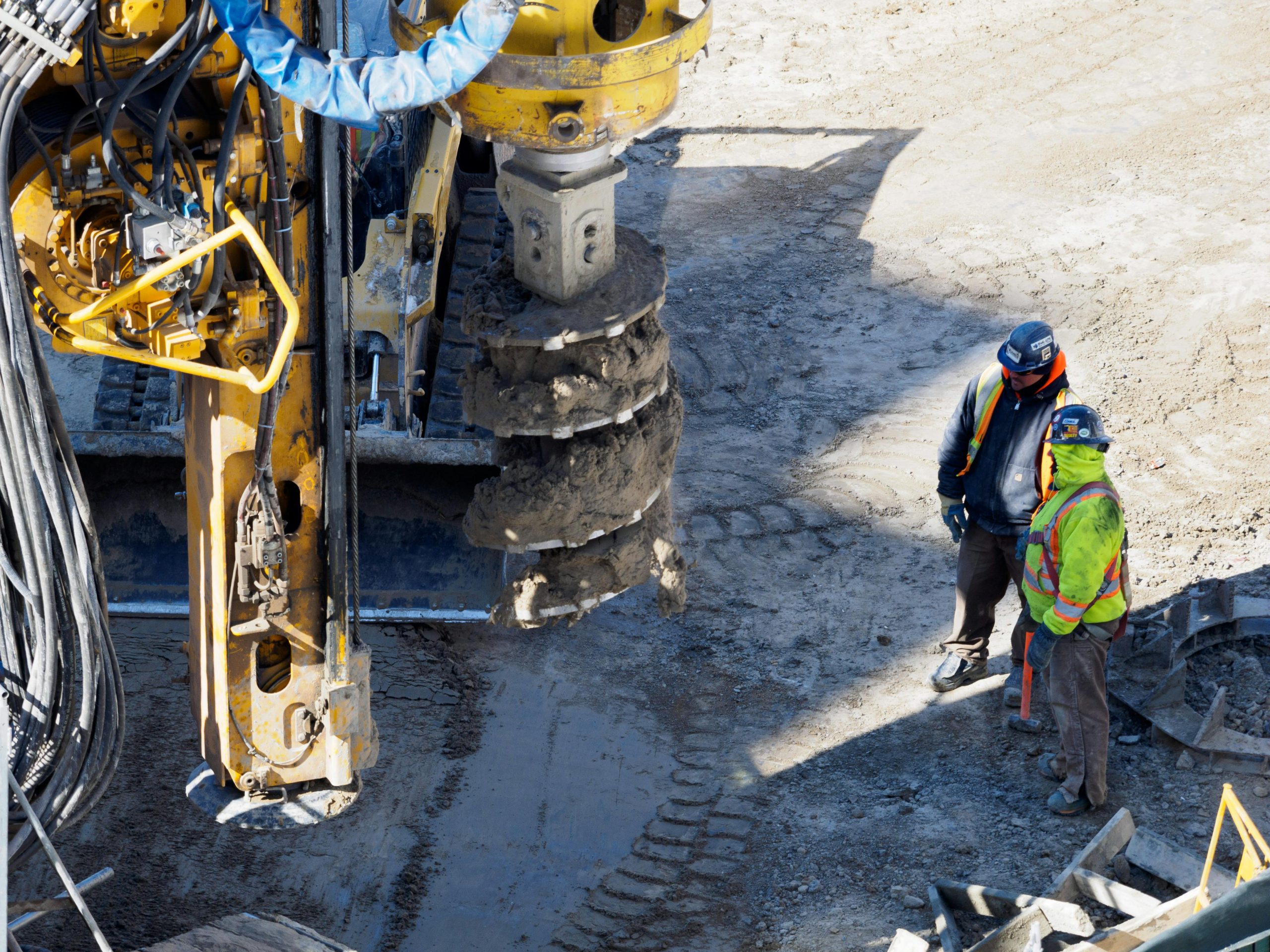
This type of survey is focused on measuring noise levels in workplaces. It is essential for industries such as construction, manufacturing, and healthcare, where workers may be exposed to harmful sound levels. The outcomes of occupational noise assessments guide the implementation of safety measures and help formulate hearing conservation programs.
Environmental Noise Assessment Survey
Environmental noise assessments evaluate sound levels in public areas and natural environments. These surveys aim to identify noise pollution sources from traffic, construction, and industrial activities and are crucial for urban planning and community welfare. These assessments can inform policies to minimize negative impacts of noise on wildlife and human populations.
Residential Noise Assessment Survey
Residential noise surveys are conducted to measure the sound levels in and around homes to evaluate potential noise disturbances. This is often necessary in cases of complaints regarding noise from local businesses or transportation. Understanding noise levels in residential areas can help initiate corrective measures to balance community peace with necessary industrial and commercial activities.
Steps to Conduct a Noise Assessment Survey
Conducting a noise assessment survey requires methodical planning and execution. Below are the key steps involved:
Preparing for the Noise Assessment Survey
Preparation is vital for a successful noise assessment survey. This involves defining the objectives of the survey, selecting the appropriate type of assessment, and determining the locations where measurements will be taken. It is also important to schedule the survey at times when noise levels are expected to peak for accurate data collection.
Equipment Needed for Noise Assessment Surveys
The proper equipment is crucial for accurate noise measurements. Key tools include:
- Sound Level Meters: Devices designed to measure sound levels in decibels, often with digital displays for ease of reading.
- Noise Dosimeters: Wearable devices that measure an individual’s noise exposure over time, suitable for longitudinal studies.
- Wind Shields: Accessories for meters to minimize external factors affecting measurements during outdoor assessments.
Executing the Noise Assessment Survey
During the execution, it’s essential to utilize proper techniques for measuring and recording noise levels. Make sure to take readings at various locations, heights, and times to capture a comprehensive data set. Employing a methodical approach ensures that all potential noise sources are adequately assessed and documented.
Common Mistakes in Noise Assessment Surveys
Even experienced professionals can encounter pitfalls when conducting a noise assessment survey. Recognizing these common mistakes can help ensure more accurate outcomes.
Ignoring Legal Standards in Noise Assessment Surveys
A common mistake is neglecting the legal standards applicable to the specific location or industry. Failing to adhere to these regulations can result in non-compliance and legal challenges. Always stay updated with local and federal noise regulations relevant to your assessment.
Improper Use of Measurement Equipment
Improper calibration or usage of sound measurement equipment can lead to inaccurate data. It’s essential to familiarize oneself with the equipment and ensure it’s consistently calibrated according to the manufacturer’s specifications.
Failing to Document Findings from Noise Assessment Surveys
Documentation is vital for credibility and future reference. Failing to document findings can lead to misinformation and challenges in implementing solutions based on survey outcomes. Ensure comprehensive records of measurements taken, conditions at the time of the survey, and any observations made during the assessment.
Analyzing Results of a Noise Assessment Survey
After conducting the survey, the next step involves thorough analysis and reporting of the findings. This phase is pivotal in making informed decisions regarding noise management.
Interpreting Noise Measurement Data
Data interpretation involves understanding the collected noise levels concerning both legal standards and the natural ambient noise of the environment. It’s important to assess not just the peaks but also the continuous levels throughout the measuring period to identify persistent issues.
Reporting Findings from Noise Assessment Surveys
Creating a clear and comprehensive report detailing the findings is critical. Reports should include an outline of objectives, methodology, results, and specific recommendations for mitigating noise issues. Visual elements such as graphs and tables can assist in conveying findings efficiently.
Implementing Solutions Based on Noise Assessment Survey Results
Finally, the ultimate objective of a noise assessment survey is to implement effective solutions that address identified issues. This can include engineering controls, administrative measures, or personal protective equipment. Engaging stakeholders and planning follow-up assessments will ensure continued compliance and improvement moving forward.