

Understanding the Role of Security Guards
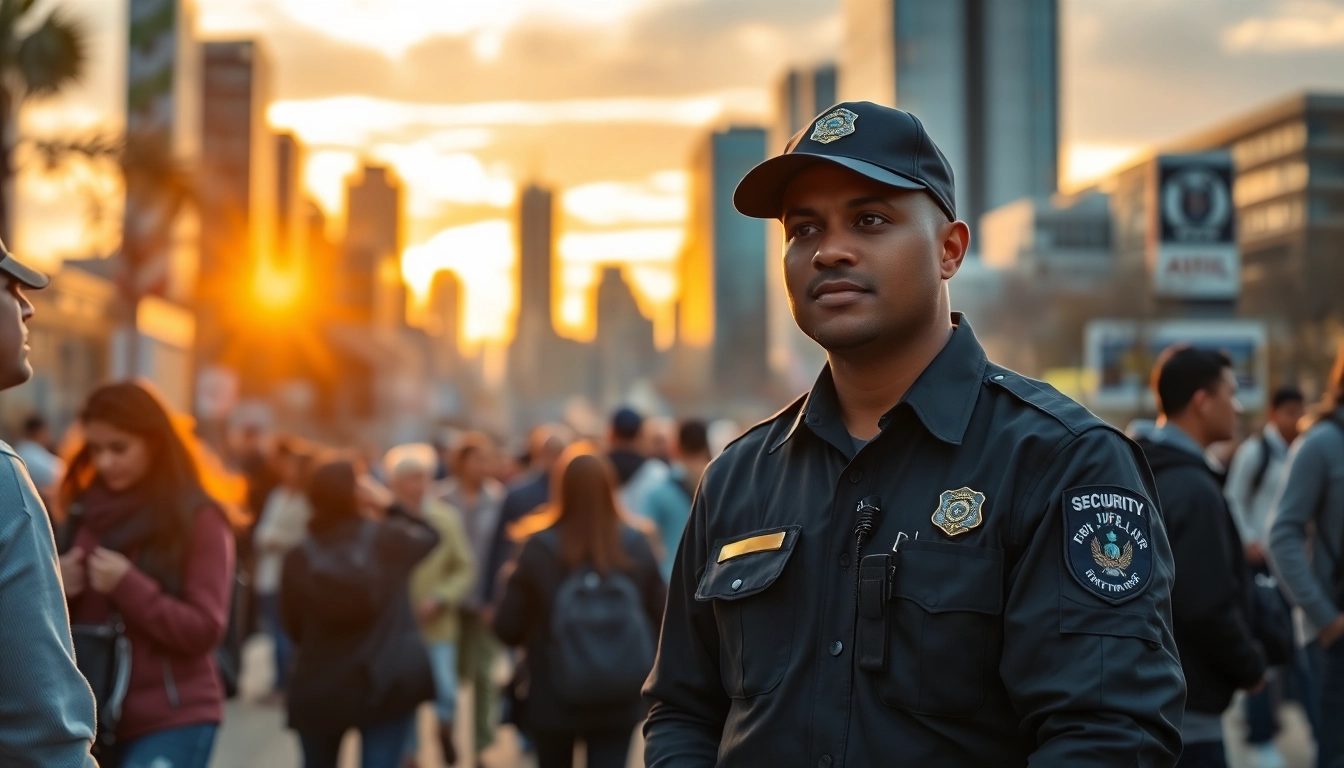
In an ever-evolving landscape of safety and security, the role of Security Guards has become increasingly critical. Whether it’s safeguarding a corporate office, monitoring a retail establishment, or providing protection at a special event, security guards serve as the frontline defense against various threats. Their presence not only deters criminal activity but also fosters a sense of safety for employees and customers alike.
The Importance of Security Guards in Modern Society
The need for security guards has dramatically increased in recent years, correlating with rising crime rates and heightened public awareness of security issues. Events such as corporate espionage, workplace violence, and incidents of theft pose significant risks for businesses. To combat these threats, security guards play a vital role by implementing safety protocols, monitoring premises, and providing emergency response services. Their importance goes beyond mere physical presence; they create a protective environment conducive to productivity and peace of mind.
Types of Security Guards and Their Specializations
Understanding the different types of security guards is essential for organizations seeking the right protection. Broadly, they fall into two categories: armed and unarmed security guards. Each type serves specific functions and is trained for particular environments.
- Armed Security Guards: These professionals carry firearms and are often utilized in high-risk environments such as banks, jewelry stores, and events with significant security needs.
- Unarmed Security Guards: Typically found in retail locations, corporate offices, and schools, these guards focus on monitoring, surveillance, and de-escalation techniques.
Additionally, there are specialized roles, such as fire watch guards, who monitor premises for fire hazards, and event security personnel, who manage entry points and crowd control at large gatherings.
Key Responsibilities and Duties of Security Guards
Security guards possess a variety of responsibilities that contribute to the overall safety of their designated areas. Some core duties include:
- Monitoring Surveillance Systems: Security guards often oversee CCTV cameras to identify unusual activities and provide immediate responses as needed.
- Patrolling: Regular patrols help ensure that all areas of a facility are secure, noting any potential vulnerabilities.
- Responding to Incidents: Quick reaction to disturbances or emergencies is crucial, and security guards are trained to assess situations and act appropriately, whether it’s calling law enforcement or providing first aid.
- Access Control: Guards often manage who enters and exits a property, ensuring unauthorized individuals do not gain access.
- Report Writing: Accurate documentation of incidents is vital for transparency and future reference, which guards are trained to execute meticulously.
Why Hire Professional Security Guards
The decision to hire professional security services centers around safeguarding assets and ensuring safety in increasingly precarious environments. Here are the compelling reasons behind this necessity.
Benefits of Hiring Security Guards for Businesses
The presence of security guards generates numerous benefits for businesses seeking to protect their personnel and property:
- Deter Theft and Vandalism: Visible security personnel can effectively discourage criminal intentions, making businesses less appealing targets.
- Enhanced Customer Confidence: Customers feel more secure knowing that security measures are in place, which can translate into increased patronage and loyalty.
- Emergency Preparedness: Trained guards can manage emergency situations, from medical emergencies to evacuations, thereby minimizing potential damage and injury.
How Security Guards Deter Criminal Activity
The deterrent effect of security guards is well-documented. Their presence is often enough to dissuade would-be criminals from attempting theft or vandalism because the perceived risk outweighs the potential reward. Studies show that locations with professional security staffing experience significantly lower crime rates, reinforcing the value of investing in such services.
Reducing Liability and Enhancing Client Trust
By hiring professional security guards, businesses also mitigate their liability in adverse situations. Properly trained guards can take proactive steps to prevent incidents that could lead to legal complications. Furthermore, demonstrating a commitment to security through visibly engaged security personnel enhances client trust and overall satisfaction.
Choosing the Right Security Guards for Your Needs
Selecting the appropriate security guards is crucial to ensuring effective protection. Businesses need to consider several factors to make informed choices.
Assessing Qualifications and Training of Security Guards
Not all security personnel are created equal. When evaluating candidates, focus on their qualifications and the extent and relevance of their training. Look for certifications and training in de-escalation techniques, first aid, and crisis management. Properly trained security guards can respond effectively to various situations, minimizing risks significantly.
Identifying the Special Needs of Your Environment
Different environments pose varying security challenges. A nightclub, for instance, will require a different approach compared to an office building. Conducting a thorough security assessment of your premises helps determine the specific needs and types of guards that would be most effective in addressing those challenges.
Evaluating Security Guards’ Experience in the Industry
Experience can greatly enhance a security guard’s effectiveness. Look for personnel with a proven track record in similar settings or those who have engaged in relevant case studies. The depth of a guard’s experience often influences their ability to handle crises and make sound judgments when it matters most.
Cost Factors Involved in Hiring Security Guards
The cost of hiring security services varies widely based on factors such as location, guard experience, and the complexity of services required. Understanding these factors can help businesses budget effectively and ensure they receive fair value.
Understanding the Pricing Structures for Security Services
Security services typically operate on several pricing models. Hourly rates are common, but businesses may also encounter flat fees for long-term contracts. Some services may charge extra for specialized skills or equipment, reinforcing the need for transparency when negotiating contracts.
Comparing Costs versus Value of Security Guards
While it may be tempting to select the lowest cost option, it’s essential to weigh cost against the value provided. High-quality security services can prevent costly incidents that could result from inadequate protection, proving more economical over time. Invest in experienced guards who align with your security goals.
Budgeting for Security Services in Different Sectors
Each sector offers distinct budgeting challenges when it comes to hiring security services. For instance, a retail establishment may require more numerous guards during peak shopping seasons, while a corporate office may seek guards during specific events or hours. Analyzing historical data can guide security spending and help optimize resource allocation.
Measuring the Effectiveness of Security Guards
Ensuring the effectiveness of security measures involves ongoing evaluation and fine-tuning. Here are some key metrics and methods organizations can implement.
Key Performance Indicators for Security Guards
Establishing key performance indicators (KPIs) related to security guards is crucial for assessing their impact. Metrics may include:
- Incident response times
- Frequency of incidents in monitored areas
- Client feedback and satisfaction scores
Collecting data on these KPIs allows organizations to make informed decisions about security personnel and staffing needs.
Gathering Client Feedback and Incident Reports
Regular feedback from clients and thorough incident reporting can provide vital insights into guard performance. Surveys that assess client perceptions of safety and service can reveal strengths and areas for improvement. Furthermore, maintaining detailed incident reports enables organizations to track patterns and swiftly address recurring challenges.
Continuous Improvement Through Training and Evaluation
Security protocols and threats evolve continuously, necessitating ongoing training and evaluation of security guards. Regular training sessions can enhance skills, update knowledge on new security measures, and foster teamwork among security personnel. Establishing a culture of continuous improvement ensures high standards of security provision.