Understanding Wall Planks
What Are Wall Planks?
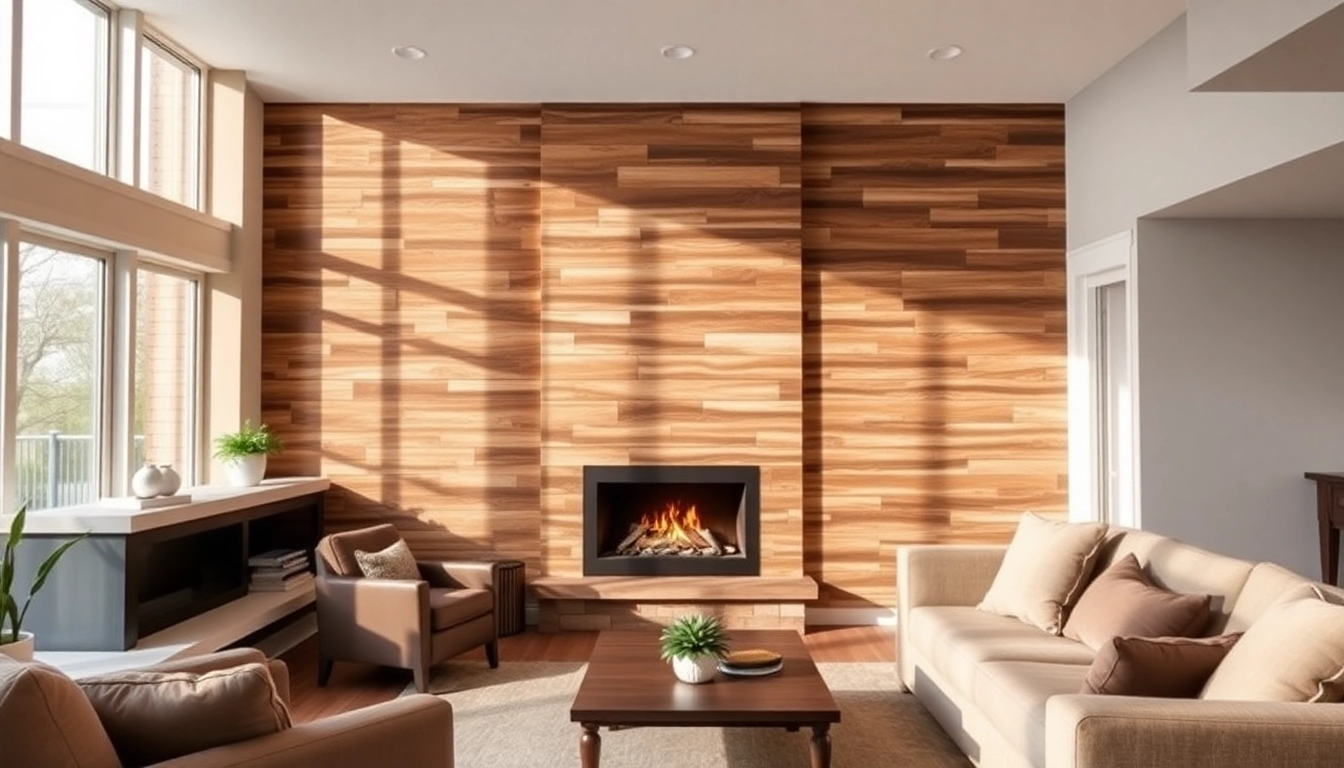
Wall planks are a popular decorative and functional material often used to enhance interior aesthetics. These planks come in various styles, materials, and finishes, offering an easy way to introduce warmth and texture into a space. By using wall planks, homeowners can create a feature wall, add depth to rooms, and modernize traditional areas without extensive renovation.
Materials Used for Wall Planks
Wall planks are available in a variety of materials, each providing unique characteristics:
- Wood: Traditional wall planks made of natural wood offer timeless beauty and may come in various finishes, such as reclaimed wood for rustic styles or polished surfaces for a contemporary look.
- Vinyl: This material mimics the appearance of wood but is often more durable and waterproof, making it ideal for areas with high moisture.
- PVC: Lightweight and easy to install, PVC wall planks resist moisture and are often used in bathrooms or kitchens.
- Composite: Made from a blend of materials, these planks provide the beauty of wood with increased durability and lower maintenance.
Design and Aesthetic Benefits
One of the major benefits of using wall planks is their versatility in design. They can easily fit into various decorative styles, from modern minimalism to cozy rustic themes. Wall planks can serve multiple aesthetic purposes:
- Create a focal point by accentuating a specific wall.
- Add warmth and texture that paint alone cannot provide.
- Facilitate open floor plans by visually dividing spaces without full walls.
- Enhance sound absorption, making spaces quieter and more comfortable.
Installation Techniques for Wall Planks
Tools Needed for Installation
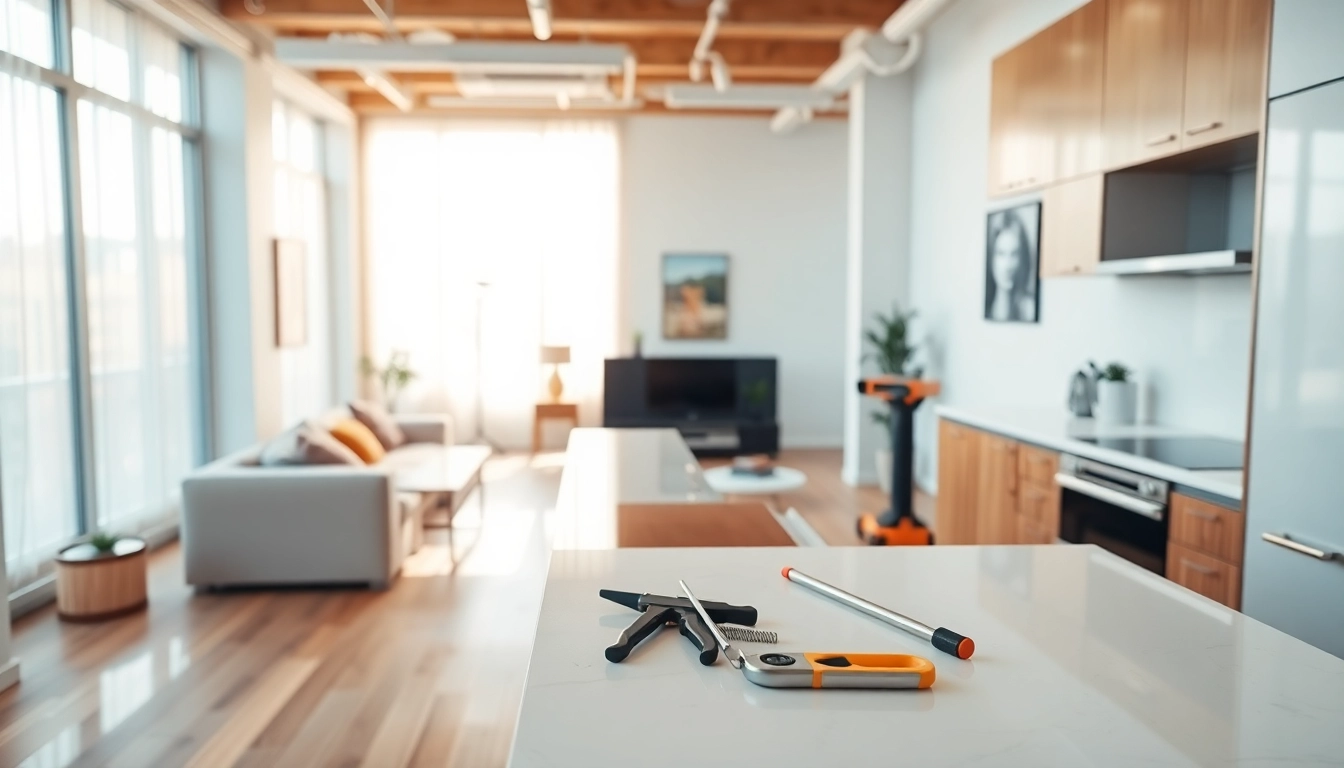
Before diving into the installation process, gather the following tools and materials:
- Measuring tape for precise measurements.
- Level to ensure your planks are installed straight.
- Utility knife or saw for cutting planks to size.
- Adhesive or nails, depending on the type of wall planks.
- Safety gear, including gloves and goggles.
Step-by-Step Installation Guide
Installing wall planks can be accomplished in a few steps:
- Preparation: Clean and prepare the wall surface by removing any old wallpaper or debris to ensure proper adhesion.
- Measure and Mark: Measure your wall and mark where each plank will go, ensuring you’re aligning the planks properly.
- Cut Planks: Cut the planks to fit your wall dimensions, creating a staggered pattern for a more natural look.
- Install the First Row: Apply adhesive or nail the first row, using the level to check for straightness.
- Continue Installation: Work upwards, ensuring each plank fits snugly and continues the design you’ve chosen.
- Finishing Touches: Once installed, add trim pieces if needed to cover any gaps or edges for a polished look.
Common Mistakes to Avoid
While installing wall planks may seem straightforward, here are some common pitfalls:
- Inaccurate Measurements: Always double-check measurements before cutting to avoid mistakes.
- Ignoring Wall Prep: Properly cleaning and prepping the wall ensures the longevity of the installation.
- Improper Alignment: Using a level throughout the installation is crucial for a professional appearance.
- Skipping Adhesive Guidelines: Ensure that you adhere to the manufacturer’s instructions regarding adhesive application for optimal hold.
Maintenance Tips for Wall Planks
Cleaning and Care Best Practices
To maintain the beauty and integrity of your wall planks, follow these cleaning tips:
- Dust regularly using a soft cloth to prevent dirt buildup.
- Use a damp cloth with mild soap for deeper cleaning, avoiding abrasive cleaners that could damage finishes.
- Avoid excessive moisture, especially with wooden planks, to prevent warping or mold growth.
Repairing Damaged Wall Planks
If your wall planks suffer damage, here are some effective repair methods:
- For small scratches, apply wood filler that matches the color of your planks and sand it smooth.
- If a plank is severely damaged, it may need to be replaced; carefully remove the damaged section and install a new plank.
- Re-staining or painting can help renew the appearance of faded areas.
Preventative Maintenance Strategies
To prolong the life of your wall planks, consider these preventative measures:
- Maintain optimal indoor humidity levels to avoid expansion or contraction.
- Apply a protective finish to wooden planks that shields against water and stains.
- Regularly inspect for signs of damage, moisture, or pest infestations to address issues before they escalate.
Design Ideas Featuring Wall Planks
Modern vs. Rustic Designs
Wall planks can adapt well to both modern and rustic designs:
- Modern Designs: Choose sleek, smooth wood with neutral tones and place in a geometric pattern to give a contemporary feel.
- Rustic Designs: Opt for reclaimed wood with natural finishes; stagger the planks for a more organic look.
Incorporating Wall Planks in Different Rooms
Different rooms can benefit from the aesthetic and functional qualities of wall planks:
- Living Room: Create a feature wall behind the sofa with vibrant wood finishes.
- Bedroom: Use soft, muted colors to create a serene backdrop for relaxation.
- Kitchen: Install waterproof planks as a backsplash to combine style and functionality.
- Bathroom: Use moisture-resistant materials to bring warmth to traditionally sterile spaces.
Creative Applications Beyond Walls
Wall planks aren’t just limited to walls; here are some creative uses:
- Ceilings: Adding planks to ceilings can create unique architectural interest and depth.
- Accent Furniture: Transform plain furniture by applying wall planks to surfaces like cabinets or tables.
- Backdrops: Use wall planks in photo booths or as backdrops in commercial spaces for a striking visual appeal.
FAQs About Wall Planks
Are Wall Planks Suitable for Bathrooms?
Yes, wall planks made from moisture-resistant materials are suitable for bathrooms and can prevent mold growth.
How Do I Choose the Right Wall Planks for My Home?
Consider the style, material, color, and texture that best fits your room’s aesthetics and functional needs.
Can Wall Planks be Painted or Stained?
Yes, wall planks can be painted or stained to match your design preferences, but use appropriate materials based on the plank type.
What is the Cost Range for Wall Planks?
The cost of wall planks can vary widely based on material and finish, typically ranging from $1 to $10 per square foot.
Are Wall Planks Environmentally Friendly?
Many wall planks are sourced sustainably, but always verify certifications to ensure you are choosing eco-friendly options.