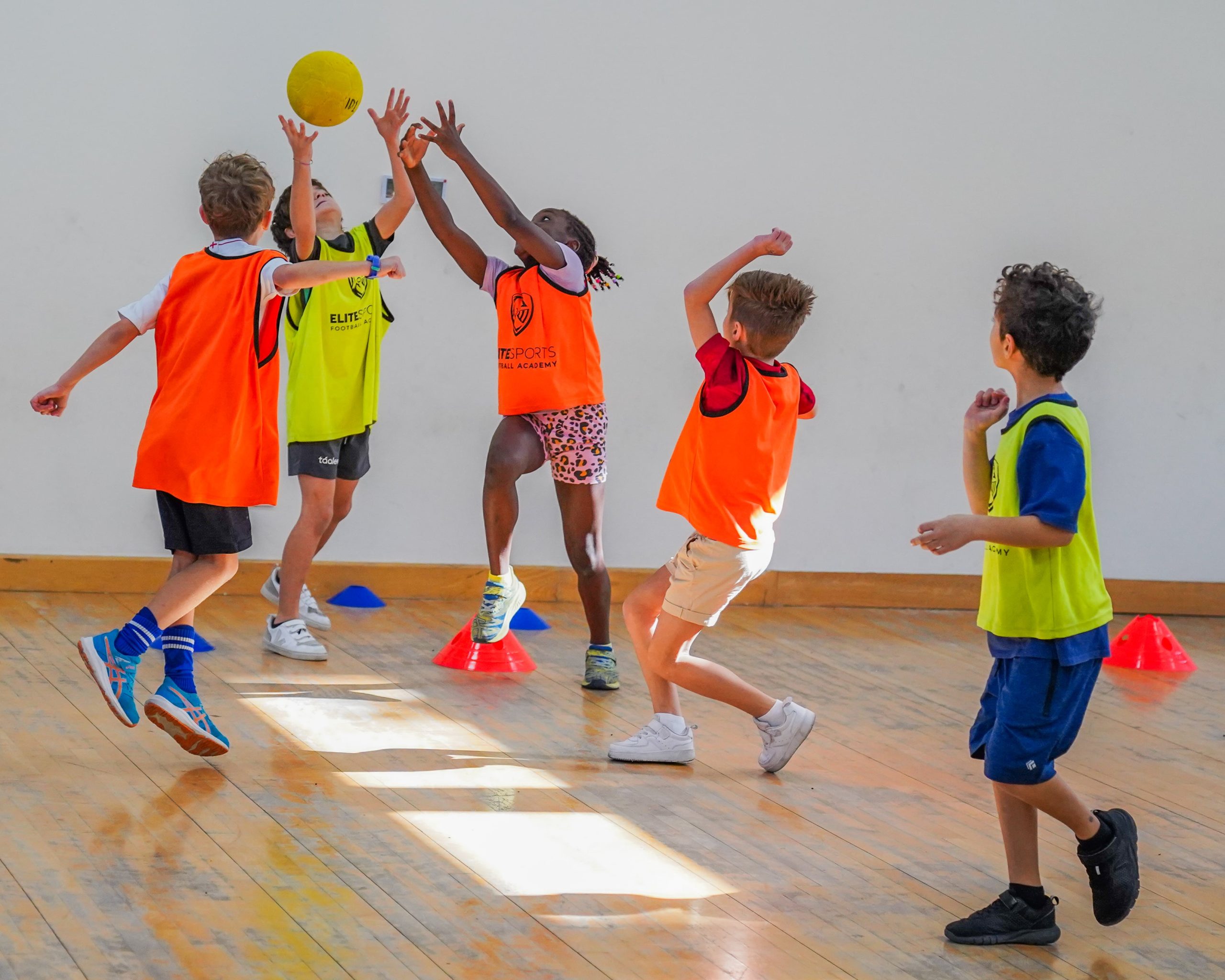
Understanding Gamification in Education
As educators seek innovative methods to engage students and enhance learning experiences, the concept of gamification in education has emerged as a transformative strategy. This powerful approach involves incorporating game-like elements into traditional educational practices to motivate students, foster collaboration, and improve retention. By understanding the principles and applications of gamification, educators can better equip students for academic success in a rapidly evolving world.
What is Gamification?
Gamification refers to the use of game design elements in non-game contexts, particularly in education, where it aims to enhance motivation and engagement. Key components of gamification can include points, badges, leaderboards, and challenges, all of which contribute to a more interactive learning experience. Although the core educational content remains unchanged, these game-like elements encourage students to actively participate and strive for mastery in their subjects.
A Brief History of Gamification in Education
The roots of gamification can be traced back to the early 2000s, when researchers began to explore how game mechanics could be applied to various sectors, including education. By the late 2000s and early 2010s, numerous educational institutions started experimenting with gamified learning propositions. These initiatives demonstrated promising results, leading to a broader acceptance of gamification as a sustainable teaching and learning strategy. In recent years, the rise of digital learning platforms has further accelerated the integration of gamification in educational settings.
Key Elements of Gamification in Education
Gamification in education includes several core elements that help create an engaging learning environment:
- Points: Rewarding students for completing tasks fosters a sense of achievement.
- Badges: Visual markers indicating accomplishments motivate students to complete additional challenges.
- Leaderboards: Displaying performance rankings encourages friendly competition among peers.
- Challenges: Tasks designed to test knowledge and skills inspire students to overcome obstacles.
Benefits of Gamification in the Learning Process
Increased Engagement and Motivation
One of the most significant advantages of gamification is its ability to heighten student engagement. When game elements are integrated into lessons, students often find the material more compelling. This enhanced motivation leads to increased participation, persistence, and ultimately, academic success. The engaging nature of gamification can turn mundane tasks into exciting pursuits, making learning a more enjoyable experience for students of all ages.
Enhancing Retention and Learning Outcomes
Research has shown that gamification can lead to improved retention of information. The interactive and dynamic nature of gamified learning encourages deeper cognitive engagement, resulting in better understanding and memory of the material. Moreover, incorporating elements such as quizzes and simulations can provide immediate feedback, allowing students to learn from their mistakes and apply knowledge more effectively.
Fostering Collaboration and Social Interaction
Gamification also promotes social interaction among students. Through team-based challenges or collaborative learning activities, students can work together, sharing knowledge and supporting one another. This social aspect not only enhances the learning experience but also helps develop essential communication and teamwork skills that are valuable in real-world contexts.
Effective Strategies for Implementing Gamification in Education
Designing Gamified Learning Activities
To effectively implement gamification, educators should carefully design learning activities that incorporate game mechanics. This can involve creating personalized tasks, setting achievable goals, and offering a variety of challenges that cater to different learning styles. Additionally, designing a coherent narrative around the gamified activities can enhance the overall experience and make learning more immersive.
Integrating Technology and Tools
Leveraging technology can significantly enhance the effectiveness of gamified learning. Platforms that support digital badges, leaderboards, and interactive simulations can be invaluable for implementing gamification. Tools such as Learning Management Systems (LMS) or educational apps can provide a seamless environment for gamified activities, making it easier for educators to track student progress and provide personalized feedback.
Creating a Feedback Loop
Regular feedback is essential for maintaining engagement in a gamified learning environment. Educators should create a feedback loop where students receive timely and constructive critiques on their performance. This not only fosters a culture of growth and improvement but also allows students to reflect on their learning journey. Incorporating opportunities for self-assessment can further enhance this process, encouraging students to take ownership of their learning.
Challenges in Implementing Gamification in Education
Addressing Resistance from Educators
Despite its benefits, some educators may resist adopting gamification due to misconceptions regarding its efficacy or concerns about increased workloads. It is vital to provide professional development opportunities that demonstrate successful gamification strategies and their impact on student engagement. By showcasing evidence-based outcomes, educators can feel more confident in embracing this innovative approach.
Ensuring Equity in Access to Resources
Ensuring that all students have equitable access to the resources necessary for gamified learning is essential. Some students may lack access to technology or learning materials. Schools and educational institutions should strive to provide adequate resources, whether through funding for technology in classrooms or offering alternative methods for engagement that require lesser resources but still maintain interactivity.
Balancing Competition with Collaboration
While competition can be a driving force in gamification, it is crucial for educators to balance competitive elements with collaborative opportunities. Establishing a supportive learning environment where students encourage each other rather than solely compete can foster deeper social connections and enhance the overall learning experience. Group challenges that require cooperation and collaboration can help mitigate the negative aspects of competition.
Measuring the Success of Gamification in Education
Performance Metrics for Gamified Learning
Determining the effectiveness of gamification requires establishing clear performance metrics. Educators can track student progress through qualitative metrics such as engagement levels, participation rates, and academic performance. Implementing surveys and feedback forms can also provide valuable insights into student perceptions of gamified activities, helping to adjust strategies as needed.
Analyzing Student Feedback and Experience
Regularly analyzing student feedback is essential for evaluating the success of gamification efforts. This feedback can offer insights into what aspects of gamified learning resonate with students and which areas require improvement. Listening to students’ thoughts and experiences can foster a more personalized learning environment, where adjustments can be made based on real-time insights.
Adapting and Evolving Gamification Strategies
The landscape of education is constantly changing, and so should gamification strategies. It is crucial for educators to remain flexible and willing to adapt their approaches based on student feedback and emerging educational trends. Regularly reviewing and updating gamified activities ensures that they remain relevant and continue to engage students effectively.
Frequently Asked Questions
What is gamification in education?
Gamification in education is the application of game design elements to learning processes, intended to motivate and engage students in their studies.
How does gamification increase student motivation?
Gamification increases motivation by making learning fun, interactive, and rewarding, fostering a sense of achievement through game-like experiences.
What are the key elements of gamification?
Key elements include points, badges, leaderboards, challenges, and progress tracking, which together create an engaging learning environment.
Can gamification improve learning outcomes?
Yes, gamification has been shown to enhance information retention, deepen understanding, and increase students’ overall academic performance.
What challenges are associated with implementing gamification in education?
Challenges include resistance from educators, ensuring equity in resources, and finding balance between competition and collaboration among students.