

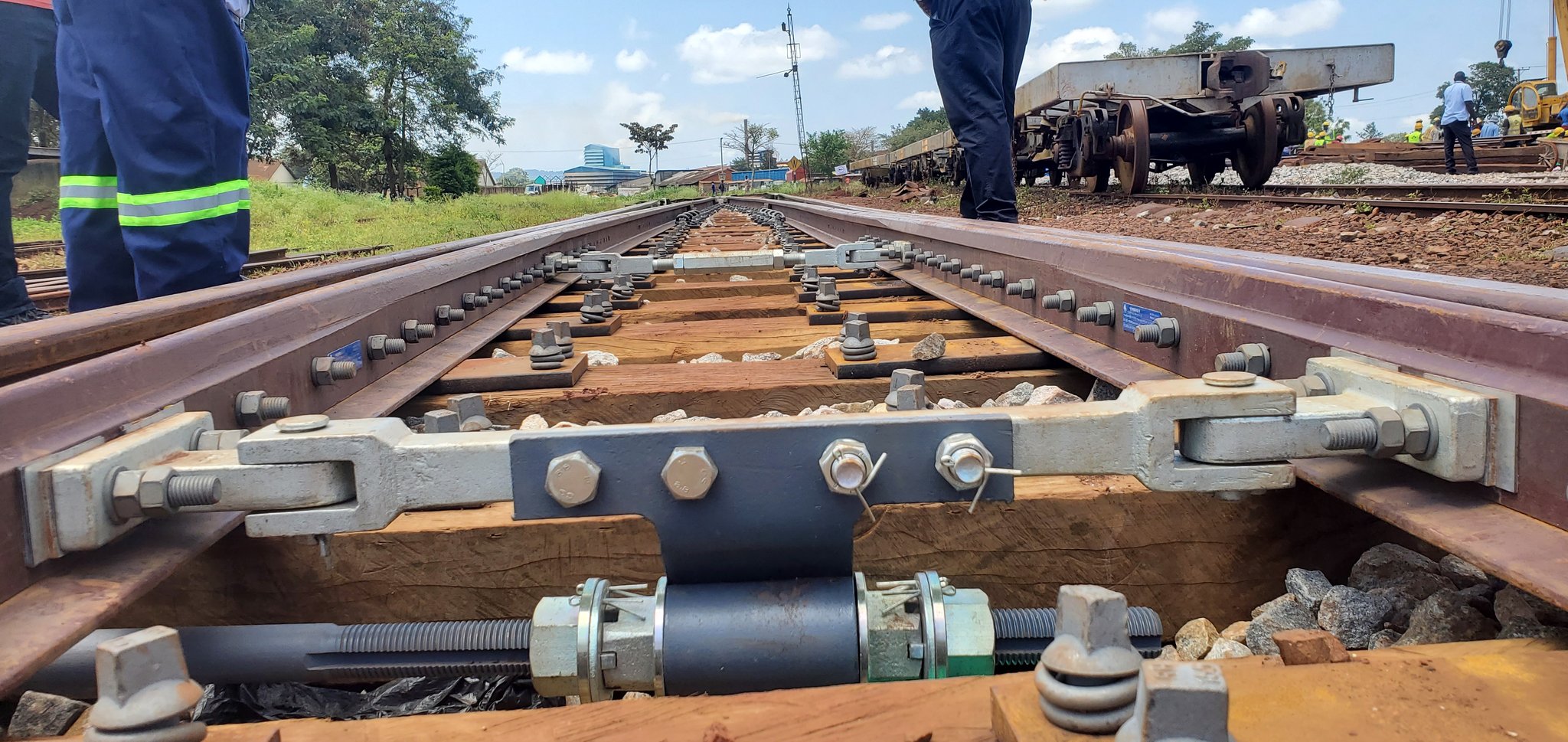
Understanding Rail Jobs: An Overview
The rail industry is a cornerstone of global transportation, offering a variety of career opportunities across different sectors. With an increase in demand for freight and passenger services, the need for skilled professionals in rail jobs has never been greater. This comprehensive guide aims to delve into the world of rail jobs, exploring the various types available, required skills, and the essential importance of safety in the field.
Types of Rail Jobs Available
Rail jobs encompass a broad spectrum of roles, catering to different skill sets and educational backgrounds. Here are some of the primary categories:
- Operational Roles: These include train conductors, engineers, and dispatchers responsible for the day-to-day operation of trains.
- Maintenance and Repair: Mechanics and maintenance workers ensure that trains and tracks are safe and in good working order.
- Administrative Positions: Jobs in scheduling, human resources, and finance support the backend operations of rail companies.
- Safety and Regulation: Compliance officers and safety inspectors focus on adhering to federal and local safety regulations.
- Logistics Coordination: Logistics specialists manage the flow of goods and services through the rail network.
Skills Required for Success in Rail Jobs
Success in rail jobs requires a unique blend of technical skills, interpersonal abilities, and problem-solving capabilities. Key competencies include:
- Technical Skills: Understanding the mechanics of trains and systems is crucial, especially for operational and maintenance roles.
- Communication: Clear communication with team members and other departments is essential for safety and efficiency.
- Problem-Solving: The ability to quickly address and resolve unexpected issues during operations is a valuable asset.
- Attention to Detail: Adhering to safety protocols and regulations is critical; hence, attention to detail cannot be overstated.
- Teamwork: Successful rail operations depend heavily on collaboration among diverse teams.
The Importance of Safety in Rail Jobs
Safety is paramount in the rail industry. Each role, from engineer to maintenance staff, must prioritize safety protocols to prevent accidents and ensure a secure environment for passengers and cargo alike.
Rail jobs involve rigorous safety training and a culture that emphasizes vigilance and proactive measures. Employees are regularly trained on safety standards and emergency procedures, ensuring that they are equipped to respond to various situations effectively.
Training and Certifications for Rail Jobs
Proper training and certification are vital components for securing a position in the rail industry. Many roles require specialized knowledge and skills, making training a necessary step for aspiring professionals.
Essential Training Programs
Different rail jobs may necessitate distinct training programs. Common programs include:
- Conductor Training: Ensures that conductors understand train operations, signals, and safety regulations.
- Locomotive Engineer Training: Covers operation, handling, and emergency response for locomotive engineers.
- Track Maintenance Training: Involves learning how to inspect and repair rail tracks to maintain safe and efficient service.
- Hazardous Materials Training: Teaches personnel how to handle and transport hazardous materials safely.
Certification Options for Rail Jobs
Obtaining relevant certifications can enhance your employability within the rail sector. Key certifications include:
- Federal Railroad Administration (FRA) Certification: Required for certain operational positions.
- Air Brake and Train Handling Certification: Necessary for engineers and conductors.
- Certifications in Hazardous Materials: Essential for positions that involve transporting chemicals or dangerous goods.
How Training Impacts Job Opportunities
The presence of strong training programs significantly influences job prospects in rail jobs. With certification, candidates demonstrate their commitment to safety and operational excellence, making them highly attractive to potential employers.
Additionally, rail companies often prioritize hiring individuals who have undergone formal training, as it helps reduce the risk of accidents and enhances overall service quality.
Navigating the Job Market for Rail Jobs
As the rail industry continues to evolve, navigating the job market can be a challenging endeavor for newcomers and seasoned professionals alike. Understanding where to search and how to connect with industry insiders is crucial.
Where to Find Rail Jobs
Finding rail jobs requires a proactive approach. Here are some effective strategies:
- Online Job Boards: Websites specializing in transportation and railroad jobs can provide numerous listings.
- Company Websites: Major rail companies often post job openings directly on their career portals.
- Recruitment Agencies: Agencies focused on transportation can help match candidates with suitable rail job openings.
- Industry Conferences: Attend industry events to network and learn about job opportunities firsthand.
Networking in the Rail Industry
Networking is a powerful tool for those seeking rail jobs. Professional associations such as the rail jobs networks can provide access to resources, mentorship opportunities, and job leads. Building connections with industry professionals can significantly enhance your chances of securing a position.
Crafting a Winning Resume for Rail Jobs
A well-crafted resume is essential for standing out in the competitive rail job market. Here are key elements to include:
- Clear Objective Statement: Tailor your objective to match the specific rail job you are targeting.
- Relevant Experience: Highlight experience related to the rail industry or transferable skills from other fields.
- Training and Certifications: List all relevant certifications and training programs completed.
- Quantifiable Achievements: Whenever possible, include metrics to showcase your contributions, such as improved safety records or successful projects.
Advancing Your Career in Rail Jobs
Career advancement in rail jobs is achievable through ongoing education, networking, and strategic planning. The industry often rewards individuals who are motivated to develop professionally.
Professional Development Opportunities
Professional development programs can help you grow your skills and advance your career. Some avenues include:
- Workshops and Seminars: Participate in industry workshops to enhance your knowledge and skills.
- Online Courses: Take advantage of online platforms offering specialized courses related to rail jobs.
- Certifications: Pursue advanced certifications to signify expertise to potential employers.
Potential Career Paths in Rail Jobs
Career paths in rail jobs are diverse, allowing professionals to explore multiple options as they gain experience. Possible trajectories include:
- Management Positions: Move into roles such as operations manager, overseeing rail services.
- Specialization: Become a specialist in areas like safety compliance, logistics, or mechanical engineering.
- Consulting: Use your expertise to advise organizations on rail operations and safety.
Staying Updated with Industry Trends
The rail industry is continuously evolving with new technologies and regulations. Professionals must stay informed about trends to remain relevant in their roles. This can be achieved through:
- Reading Industry Publications: Subscribe to rail industry journals or newsletters.
- Following Industry Leaders: Keep up with experts on social media platforms for insights and updates.
- Participating in Online Forums: Engage in discussions with peers to learn about new developments.
FAQs About Rail Jobs
What qualifications are needed for rail jobs?
Most rail jobs require a high school diploma, with specific positions needing additional certifications or skills training.
How much can I earn in rail jobs?
Salary for rail jobs varies widely based on position and location but can range from $40,000 to over $100,000.
Is there job security in rail jobs?
The rail industry is essential for transportation, providing solid job security, especially for skilled professionals.
What are the common challenges faced in rail jobs?
Challenges include strict schedules, safety regulations, and the physical demands of the work environment.
Can I switch careers to rail jobs?
Yes, many individuals successfully transition to rail jobs by obtaining necessary training and certifications.