Understanding Garage Door Mechanisms
Types of Garage Doors and Their Features
Garage doors come in various types, each designed to cater to different functional needs and aesthetic preferences. The most common types include:
- Sectional Garage Doors: These doors consist of several horizontal panels that function on a track mechanism. They are popular due to their versatility and space-efficient design.
- Roll-Up Garage Doors: Typically made of steel or aluminum, these doors roll into a cylindrical shape when opened, ideal for spaces with limited headroom.
- Slide to the Side Garage Doors: This less common type slides parallel to the garage wall, which can be an excellent option for narrow spaces.
- Tilt-Up Garage Doors: Produced in a single piece, these doors tilt up and into the garage. They are often simpler in design but require adequate headroom to operate correctly.
Understanding the features of each type can greatly assist homeowners in selecting the best fit for their needs.
Common Issues Faced by Garage Door Owners
Garage doors are complex systems made up of numerous components, which can lead to various issues. Some common problems include:
- Rusted or Worn Out Moving Parts: Over time, springs, rollers, and tracks can accumulate rust or wear down, leading to difficult operation.
- Misalignment: Doors that do not align correctly can create problems with opening and closing, thus posing safety risks.
- Electrical Issues: Many garage doors are electric, and problems with the remote or power supply can render them inoperable.
Being aware of these potential issues can help homeowners maintain their garage doors effectively.
Importance of Regular Maintenance
Regular maintenance is crucial to ensure the longevity and proper functionality of garage doors. Routine checks can help identify potential problems before they escalate into more significant repairs. Simple tasks like lubricating the moving parts, tightening screws, and inspecting the cables can dramatically extend the life of a garage door.
For homeowners, taking a proactive approach can save time and money in the long run. Additionally, a well-maintained garage door enhances security and increases property value.
Signs You Need Garage Door Repair
Unusual Noises and Their Implications
Unusual noises during operation indicate that something may be wrong. Common sounds include:
- Grinding: This noise often results from rusted rollers or worn-out bearings.
- Squeaking: A squeaking sound may indicate lack of lubrication, which can lead to further wear.
- Banging: This can signal loose parts or broken springs.
Listening closely to these noises can help homeowners address issues before they become severe.
Identifying Misalignment Issues
Misalignment is a significant problem that can affect the garage door’s operation. Homeowners can identify misalignment if:
- The door does not fully close or open.
- There are gaps between the door and the garage frame.
- The door appears uneven when viewed from the outside.
Addressing alignment issues promptly is essential to ensure proper operation and prevent accidents.
When to Seek Professional Help
While smaller issues can often be fixed through DIY methods, some problems necessitate the expertise of trained professionals. Homeowners should consider seeking help when:
- The issues recur despite attempts at repair.
- There is visible damage to garage door components.
- There is uncertainty regarding the safety of the door or its mechanisms.
Professional technicians have the necessary training and tools to ensure that repairs are done safely and effectively.
DIY Garage Door Repair Tips
Tools You’ll Need for Basic Repairs
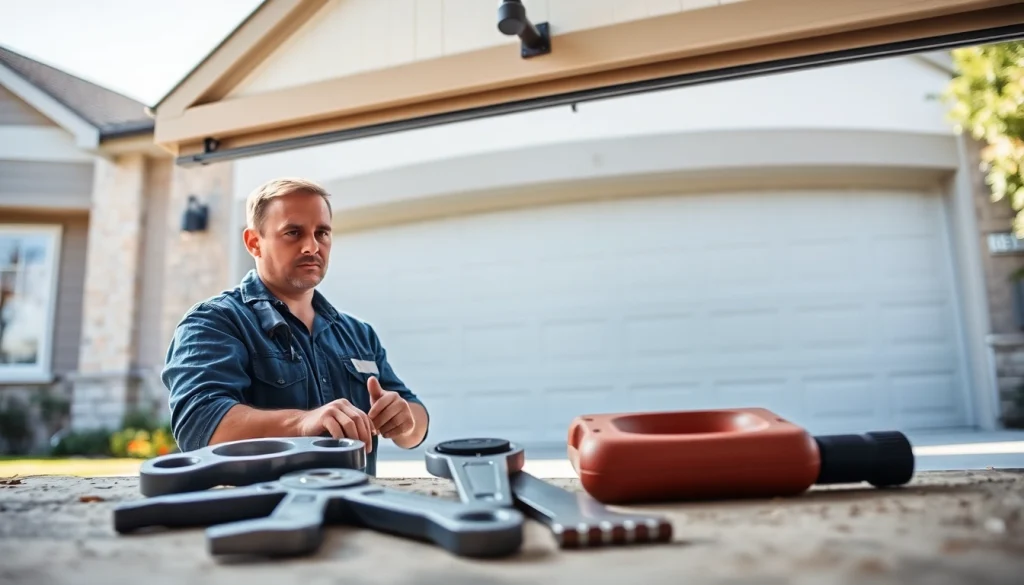
For homeowners interested in DIY repairs, having the right tools is essential. Common tools include:
- Socket set or wrenches for tightening bolts and screws.
- Lubricants such as silicone spray for smooth operation.
- Spring clamps for securing parts during repairs.
- Safety goggles and gloves to protect from debris and sharp edges.
Having a well-stocked toolbox can help homeowners tackle a variety of repair tasks.
Step-by-Step Guide to Fix Common Problems
Some common garage door problems can be resolved with straightforward steps. Below are guides to fixing some typical issues:
- Door Not Opening: Check the power supply, inspect the remote batteries, and examine the wiring for any visible damage.
- Typical Misalignment: Loosen the track brackets, adjust the door, and then re-tighten the brackets.
- Rusty Rollers: Remove the rollers, clean them, and apply a lubricant before reinstalling.
These solutions can effectively resolve many common garage door issues.
Safety Precautions to Consider
Safety should always be a priority when performing garage door repairs. Consider the following precautions:
- Disconnect the power supply to avoid electrical hazards.
- Ensure that all tools are used according to manufacturer’s instructions.
- Never attempt to repair or replace garage door springs without professional assistance, as they are under high tension and can be dangerous.
By adhering to safety guidelines, homeowners can protect themselves while conducting repairs.
Choosing the Right Garage Door Repair Service
Factors to Consider When Hiring a Professional
When it comes to selecting a garage door repair service, various factors should be considered:
- Experience: Look for a company with substantial experience in garage door repair.
- Certifications: Ensure technicians are certified and trained to handle different types of garage door systems.
- Availability: Consider repair services that offer flexible scheduling and emergency services.
Evaluating these factors can help in finding a trustworthy repair service.
The Role of Customer Reviews and Testimonials
Customer reviews and testimonials provide valuable insights into the quality of a garage door repair service. When researching potential services, look for:
- Ratings on review platforms.
- Positive feedback regarding punctuality and professionalism.
- How the company handles complaints and feedback.
Considering these aspects can help ensure that you choose a reliable repair technician.
Understanding Pricing and Service Agreements
Understanding pricing structures is crucial when hiring a garage door repair service. Homeowners should look for:
- Clear service agreements that outline the costs of labor and parts.
- Options for warranties on the repair work performed.
- Any additional fees that may apply for emergency services or after-hours requests.
Being informed about pricing can prevent unexpected charges and ensure transparency.
Future of Garage Doors: Trends and Innovations
Smart Technology in Garage Door Systems
As technology advances, so does the functionality of garage doors. Smart garage doors allow homeowners to control their doors through smartphones or smart home systems. This technology offers features such as:
- Remote access capabilities.
- Monitoring systems that alert homeowners of any unauthorized openings.
- Integration with other smart home devices for increased security.
These innovations provide convenience and enhanced security for homeowners.
Energy Efficiency and Sustainability Trends
Increasingly, homeowners are becoming aware of the importance of energy efficiency. The latest garage door models focus on sustainability by using materials that are recyclable and energy-efficient. Some features to consider include:
- Insulation options that help maintain stable garage temperatures.
- Materials designed to reduce heat loss.
- Solar-powered garage door openers as an eco-friendly alternative.
These advancements not only benefit homeowners but also contribute to environmental sustainability.
What to Expect in Garage Door Designs
Garage door designs are evolving to reflect contemporary aesthetics and functionality. Features expected to gain popularity include:
- Customizable designs that match home exteriors.
- Use of modern materials like fiberglass and aluminum for lightweight, durable options.
- Increased focus on aesthetics with various styles such as carriage-house designs and minimalistic looks.
As trends shift, homeowners can enjoy enhanced options that promote both style and function.