

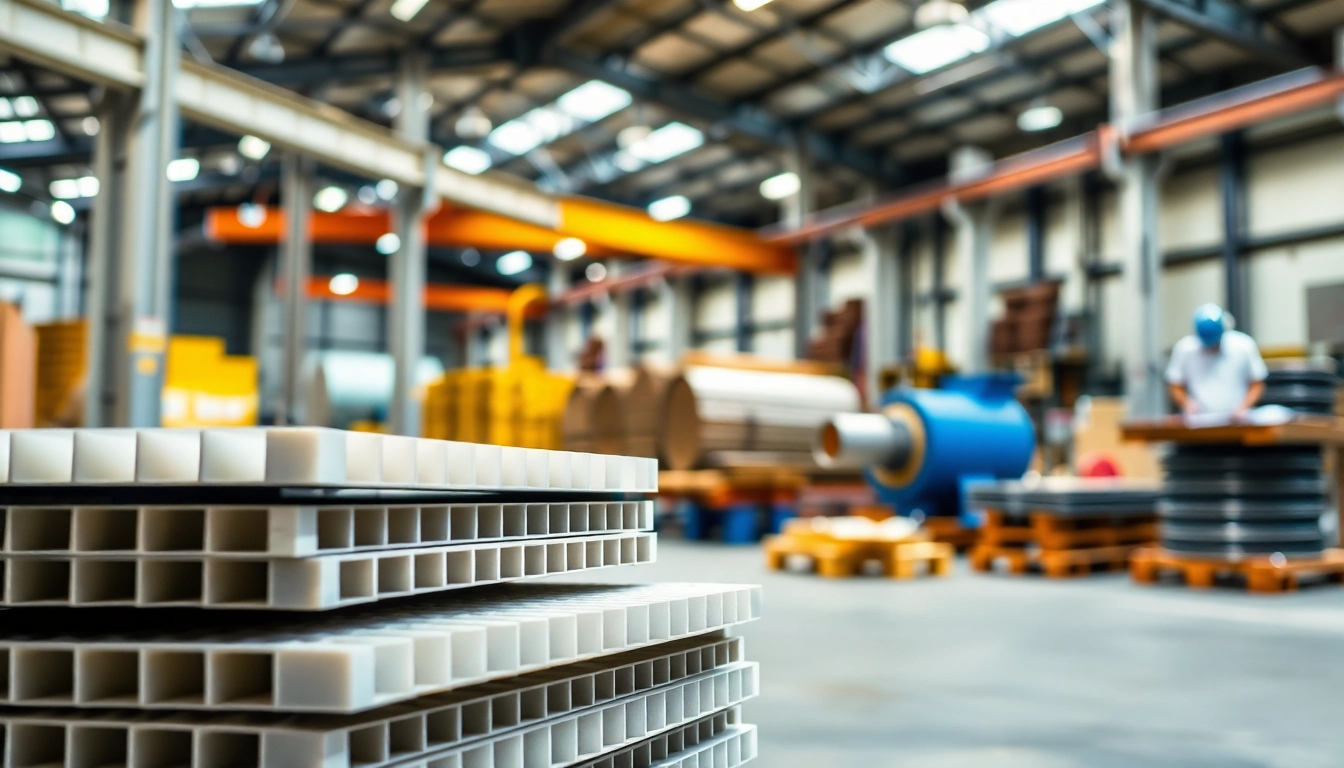
Understanding GRP Grating
What is GRP Grating?
GRP (Glass Reinforced Plastic) grating, also known as fiberglass grating, is a type of flooring solution made from a composite material. It consists of glass fibers combined with resin, which provides exceptional strength and durability while maintaining a lightweight profile. GRP grating is woven in an open structure or solid panel style, making it suitable for various applications, particularly in environments where weight and corrosion-resistance are paramount. Its unique construction allows for high load-bearing capacity, making it ideal for industrial applications and areas where safety is crucial.
Benefits of Using GRP Grating
The multitude of advantages offered by GRP grating has positioned it as a preferred option in various industries. Some of the key benefits include:
- Corrosion Resistance: Unlike traditional steel, GRP grating does not rust, making it ideal for chemical plants and other corrosive environments.
- Lightweight: Its reduced weight facilitates easier installation and lower shipping costs while maintaining structural integrity.
- Slip Resistance: This type of grating often features a textured surface, enhancing safety in wet or slippery conditions.
- Low Maintenance: GRP grating requires minimal upkeep compared to metal alternatives, saving time and resources over its lifespan.
- Customizability: GRP grating can be produced in various sizes, colors, and shapes to meet specific project requirements.
Applications of GRP Grating
The versatility of GRP grating has led to its widespread adoption across numerous sectors. Some noteworthy applications include:
- Industrial Flooring: Used in manufacturing plants, warehouses, and chemical facilities where durability and corrosion resistance are critical.
- Walkways and Platforms: Ideal for pedestrian walkways in commercial and residential settings, providing both safety and aesthetic appeal.
- Mezzanines and Elevated Structures: Lightweight properties make GRP grating an intelligent choice for raised platforms and storage solutions.
- Trench Covers: Effective in drainage systems where weight loading and durability are necessary.
- Pools and Harbors: Its resistance to saltwater makes GRP a suitable option for marine applications.
Choosing a GRP Grating Supplier
Key Factors to Consider
When selecting a GRP grating supplier, several factors can influence the decision-making process. The following elements should be taken into account:
- Quality of Materials: Ensure that the supplier uses high-grade resin and glass fibers, as this affects the durability and strength of the grating.
- Range of Products: A reputable supplier should offer a variety of grating types, including molded, pultruded, and specialty gratings to match specific project needs.
- Compliance with Standards: Verify that the products meet industry standards and safety regulations for the intended use.
Supplier Reputation and Reliability
The reputation of a GRP grating supplier is integral to the reliability of the products and services they offer. Conduct thorough research on potential suppliers, including:
- Customer Reviews: Read testimonials and reviews from previous clients to gauge the supplier’s service quality and customer satisfaction.
- Industry Experience: Suppliers with extensive experience in the field are more likely to understand unique customer needs and provide tailored solutions.
- Post-Sale Support: A good supplier should offer excellent customer support, including guidance on installation and maintenance.
Evaluating Product Range and Quality
A diverse product range can signal a supplier’s ability to meet various application needs. When evaluating a supplier’s catalog, consider:
- Variety of Grating Patterns: Ensure they offer different designs suitable for various environments, such as slip-resistant options.
- Custom Manufacturing: Suppliers should provide custom options for sizes and colors as required by your specific projects.
- Quality Assurance Processes: Check if they adhere to strict quality control standards throughout production to guarantee performance and durability.
Installation and Maintenance of GRP Grating
Installation Procedures
The installation of GRP grating is relatively straightforward compared to traditional materials. Here are general steps to consider during installation:
- Preparation: Ensure the installation surface is clean and free of debris.
- Layouts: Create a layout plan considering load distribution and space requirements.
- Cutting: Use appropriate tools for cutting GRP grating to fit specific dimensions, ensuring safe handling of materials.
- Fixing: Secure the grating panels using the recommended clip systems or adhesive methods to create a stable surface.
- Inspection: Conduct a thorough inspection post-installation to ensure all panels are securely fixed and properly aligned.
Maintenance Best Practices
Although GRP grating requires minimal maintenance, following specific best practices can enhance its longevity:
- Regular Cleaning: Periodically wash down the grating to remove debris and any accumulated materials that could affect grip and safety.
- Inspection for Damage: Routinely inspect for cracks or degradation, especially in high-traffic areas.
- Resealing: Depending on usage and exposure to harsh environments, reseal the grating to protect against wear and tear.
Common Challenges and Solutions
While GRP grating offers many advantages, some challenges may arise during its use:
- Environmental Factors: Extremely harsh conditions may lead to surface degradation. Use UV inhibitors in the resin formulation for better resistance.
- Load Limitations: Adhere to the manufacturer’s specifications regarding load limits. For heavier loads, consider thicker or reinforced grating options.
- Color Fading: GRP can lose color intensity over time due to UV exposure. Choosing UV-stabilized resins can mitigate this issue.
Comparing GRP Grating to Other Materials
GRP vs Steel Grating
When comparing GRP grating to steel grating, it’s essential to consider several factors:
- Weight: GRP grating is significantly lighter than steel, enabling easier handling and installation.
- Corrosion Resistance: Steel is prone to rust, especially in moist environments, making GRP a more viable option in such conditions.
- Cost Over Time: While initial costs may vary, GRP often proves more economical in the long run due to reduced maintenance needs.
GRP vs Plastic Grating
Comparing GRP to other forms of plastic grating reveals more distinctions:
- Strength: Generally, GRP grating offers higher load-bearing capacity compared to standard plastic alternatives.
- Durability: GRP maintains its structural integrity under extreme conditions better than many types of plastic grating.
- Cost-Effectiveness: Although GRP may have a higher upfront investment, its longevity occasionally renders it a more budget-friendly choice.
Cost Efficiency Analysis
When examining the economic advantages of GRP grating, consider both initial costs and lifetime expenses. Its longer lifespan, reduced maintenance requirements, and potential for energy savings make it a cost-effective solution:
- Installation Costs: Generally lower due to its lightweight nature, which reduces the need for heavy machinery during installation.
- Maintenance Costs: Minimal maintenance translates to lower long-term costs in comparison to metal alternatives that require regular upkeep.
- Replacement Frequency: The durability of GRP grating can mean less frequent replacements and, consequently, lower overall expenses.
Future Trends in GRP Grating
Innovations in GRP Technology
Technological advancements in GRP manufacturing and design are paving the way for more efficient and innovative products. Current advancements include:
- Smart Grating: The incorporation of sensors into GRP grating systems to monitor structural integrity and safety levels in real-time.
- Enhanced Production Techniques: Techniques such as 3D printing for custom designs may soon revolutionize the GRP industry.
- Improved Formulas: Development of advanced resin formulations to enhance the strength, flexibility, and anti-slip properties.
Sustainable Practices in Manufacturing
Sustainability is becoming increasingly important within the manufacturing sector of GRP grating. Some current practices include:
- Recycling Materials: Many manufacturers are utilizing recycled raw materials in their composite products, reducing environmental impact.
- Eco-Friendly Resins: Research and development into bio-based and low-VOC (volatile organic compound) resins that lessen ecological footprints.
- Energy-Efficient Production Processes: Employing energy-saving technologies during manufacturing to minimize overall resource consumption.
The Growing Market for GRP Grating
The market for GRP grating is on the rise, driven by burgeoning demands for high-performance materials across industries. Notably:
- Construction Industry Growth: Increasing infrastructure projects are boosting the demand for reliable and efficient flooring solutions.
- Environmental Regulations: Stricter environmental standards are prompting industries to opt for corrosion-resistant materials, bolstering GRP uptake.
- Expanding Applications: The versatility of GRP expands its use beyond conventional applications into sectors like renewable energy and public transport.
Frequently Asked Questions about GRP Grating
What is GRP grating made of?
GRP grating is composed of fiberglass reinforced with resin, which provides strength while remaining lightweight and resistant to corrosion.
Is GRP grating suitable for outdoor use?
Yes, GRP grating is highly suitable for outdoor use due to its corrosion resistance and durability against harsh weather conditions.
How does GRP compare to metal grating?
GRP is lighter, corrosion-resistant, and requires less maintenance compared to metal grating, making it ideal for many applications.
Can GRP grating be used in chemical environments?
Yes, GRP grating is resistant to many chemicals, making it a suitable choice for use in industrial chemical plants.
How to clean GRP grating?
GRP grating can be cleaned using mild detergent and water. Regular cleaning helps maintain its slip resistance and appearance.


