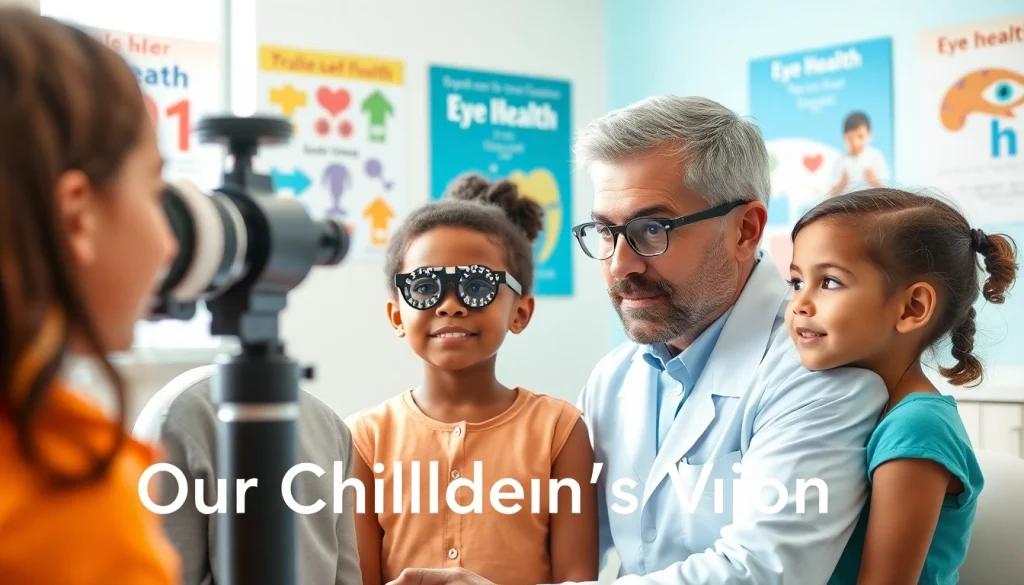
Understanding Our Children’s Vision: An Overview
Vision plays an essential role in a child’s development, influencing how they learn, socialize, and interact with their environment. Proper visual function is necessary for tasks ranging from reading to participating in sports. Ensuring that children have clear vision is crucial for their overall development. This underscores the importance of understanding Our Children’s Vision initiatives, which aim to promote awareness and offer solutions to improve children’s eye health.
The Importance of Vision in Child Development
Vision is often described as the most important sense since it influences nearly every aspect of learning and academic success. Approximately 80% of what a child learns comes through their eyes. From the moment they are born, children rely on vision to explore their surroundings. Healthy vision is vital for:
- Learning and Academic Performance: A child’s ability to read, write, and solve problems is closely tied to visual processing skills.
- Social Interaction: Good vision allows children to engage with peers, enhancing communication and relationship-building skills.
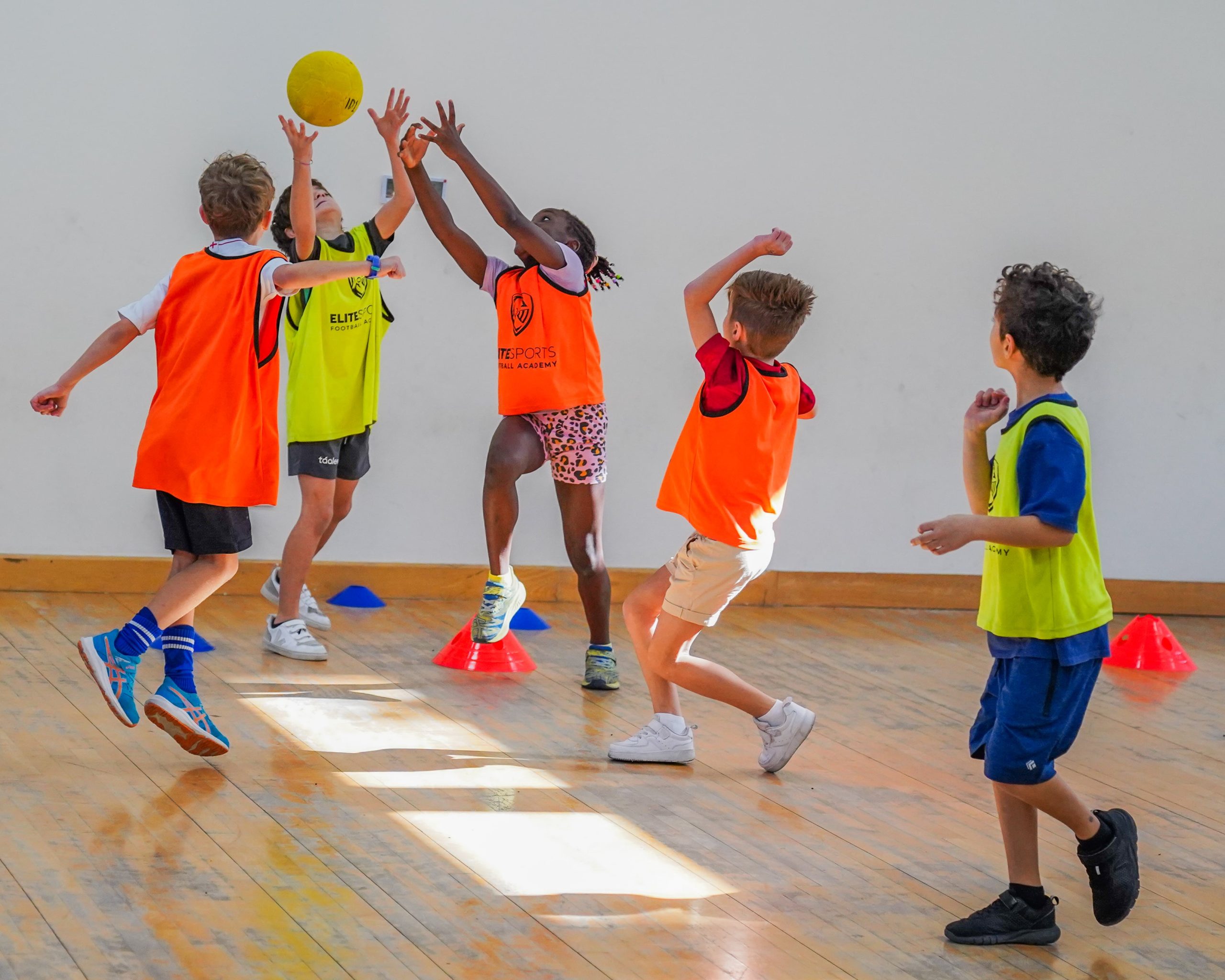
- Physical Development: Effective visual input is necessary for coordination and balance, impacting physical activities and sports participation.
- Safety: Adequate vision is vital for recognizing hazards and avoiding accidents.
Recognizing the significance of vision in learning and development highlights the urgent need for proactive measures to safeguard and enhance Our Children’s Vision.
Common Vision Problems in Children
Despite the critical role of vision in development, many children face various vision impairments that can hinder their growth. Common vision problems include:
- Myopia (Nearsightedness): Difficulty seeing distant objects clearly. Frequent in school-aged children.
- Hyperopia (Farsightedness): Difficulty focussing on close objects, leading to challenges with reading and writing.
- Astigmatism: Blurred vision caused by an irregularly shaped cornea or lens.
- Strabismus (Crossed Eyes): Misalignment of the eyes, which can affect depth perception and overall visual clarity.
- Amblyopia (Lazy Eye): Reduced vision in one eye due to improper development, often requiring timely intervention to correct.
Immediate detection and treatment of these conditions are crucial for ensuring that children can fully participate in educational environments and social activities.
Signs of Vision Issues to Watch For
Parents and caregivers should be vigilant for early signs of vision problems in children. Notable symptoms may include:
- Frequent squinting or tilting of the head when looking at objects.
- Difficulty with reading or focusing on the chalkboard in school.
- Complaints about headaches, eye fatigue, or discomfort.
- A tendency to avoid visually demanding tasks like reading or drawing.
- Frequent blinking or rubbing of the eyes.
Identifying these symptoms early is essential for timely intervention, which can significantly mitigate long-term effects on a child’s vision.
How to Support Our Children’s Vision
Regular Eye Exams for Children
One of the most effective ways to maintain children’s vision health is through regular eye examinations. The American Optometric Association recommends that children receive their first comprehensive eye exam at 6 months of age, followed by exams at 3 years old and before kindergarten. After that, children should have eye exams every two years, or annually if they require corrective lenses.
Regular eye exams allow for:
- Early diagnosis of potential vision problems.
- Appropriate corrective measures to be taken, such as glasses or therapies.
- Monitoring the progression of existing vision issues.
As part of promoting Our Children’s Vision, emphasizing the importance of these exams can empower parents to prioritize their children’s visual health.
Recommendations for Eye-Healthy Activities
Engaging in activities that encourage healthy vision is another vital component of supporting children’s eye health:
- Encourage outdoor play: Outdoor light exposure is beneficial for overall eye health and helps reduce the risk of myopia.
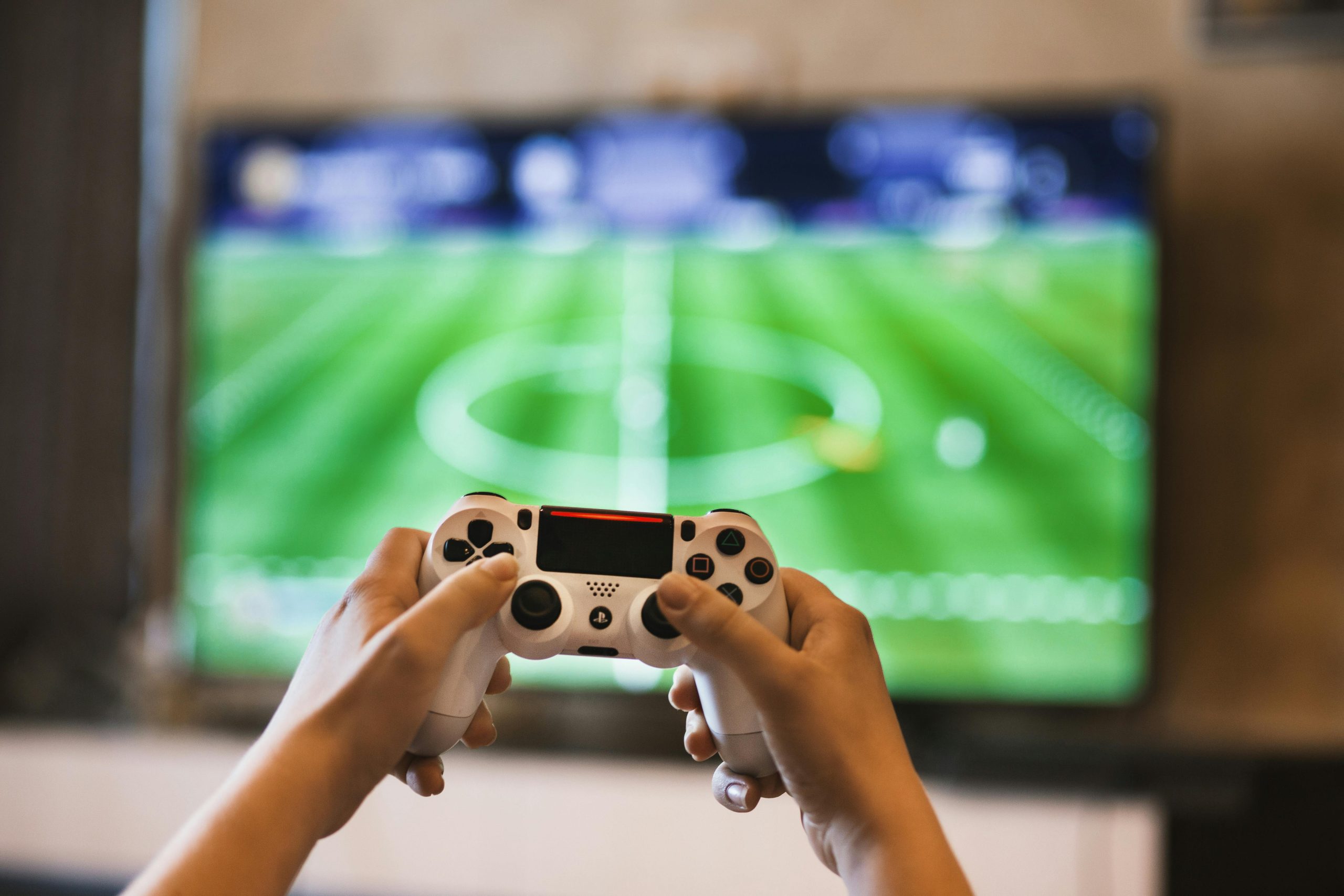
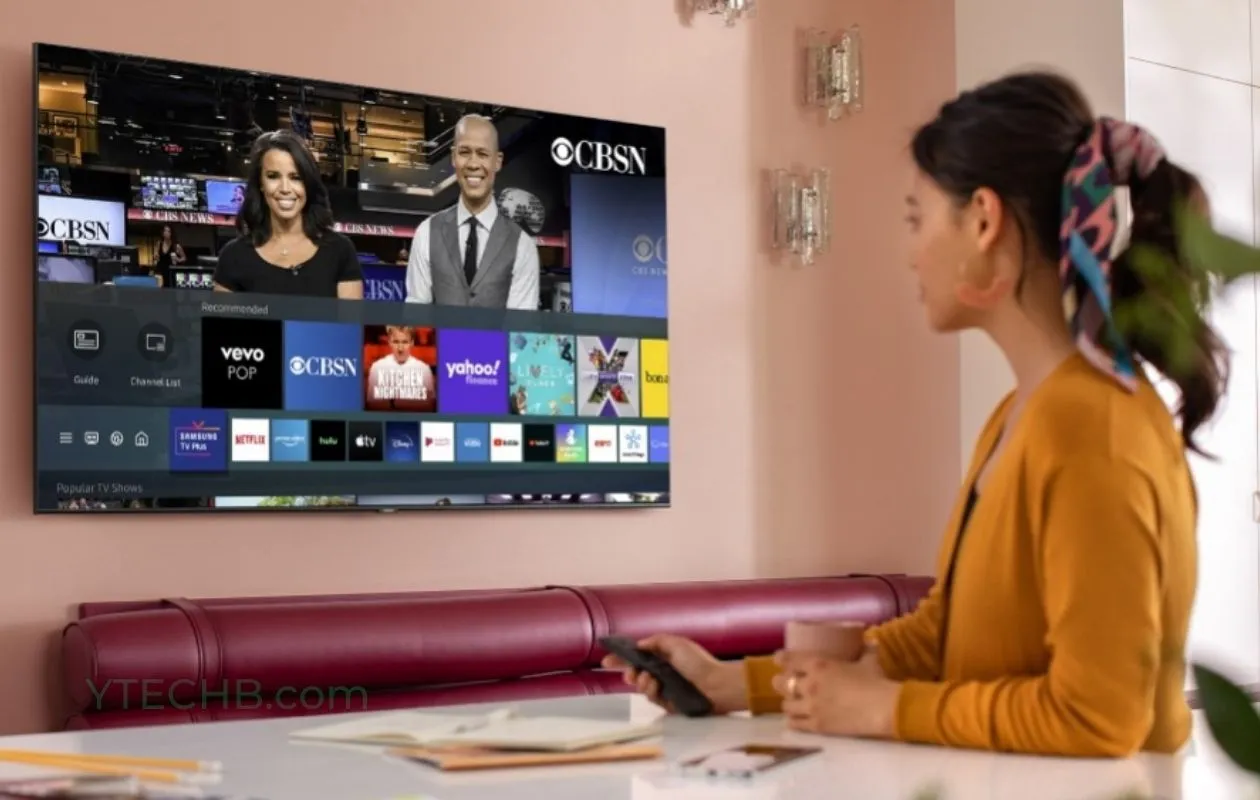
- Limit screen time: The American Academy of Pediatrics recommends balancing screen time with other healthy activities.
- Promote the “20-20-20” rule: Encourage children to take a break from screens every 20 minutes and focus on an object 20 feet away for at least 20 seconds.
- Provide appropriate lighting: Ensure that children have good lighting during reading or homework.
Integrating these practices into daily routines can ensure that children are engaging in eye-healthy activities while enjoying their formative years.
Balanced Nutrition for Optimal Eye Health
The connection between nutrition and vision cannot be overstated. A diet rich in eye-healthy nutrients can bolster children’s eyesight, support ocular health, and even prevent some vision problems. Essential nutrients include:
- Vitamin A: Critical for maintaining good vision and overall eye health. Sources include carrots, sweet potatoes, and leafy greens.
- Lutein and Zeaxanthin: Found in leafy greens and eggs, these antioxidants are believed to protect against macular degeneration and cataract development.
- Omega-3 Fatty Acids: Essential for retinal health and function. Can be found in fish, walnuts, and flaxseeds.
- Vitamin C and E: Antioxidants that may reduce the risk of eye diseases as children age, found in a variety of fruits and nuts.
By providing a well-rounded diet that includes these nutrients, caregivers can ensure that children are equipped with the necessary tools for maintaining optimal vision.
Addressing Challenges to Our Children’s Vision
Overcoming Fear of Eye Exams
Many children experience anxiety or fear concerning eye exams, which can deter them from getting the necessary assessments. It’s essential to address these fears by employing various strategies, such as:
- Using child-friendly language to explain what to expect during the exam.
- Employing positive reinforcement, such as rewarding the child after the exam.
- Scheduling appointments with pediatric eye specialists who can create a comfortable and engaging environment.
By alleviating anxiety related to eye exams, children are more likely to undergo necessary evaluations that will benefit their vision in the long run.
Management of Technology Use
As technology use continues to grow among children, managing screen time is vital for their vision health. Key strategies include:
- Setting daily screen time limits and ensuring that they’re adhered to.
- Encouraging alternative activities that promote physical movement and cognitive development.
- Utilizing blue light filters on devices to minimize eye strain.
Having structured guidelines for technology use can help balance children’s enjoyment of digital activities while preserving their eye health.
Schools’ Role in Eye Health Awareness
Schools can play a pivotal role in promoting eye health awareness and educating students about the importance of vision. Initiatives may include:
- Implementing vision screening programs to identify children who may require further evaluation.
- Providing educational sessions for parents and children about eye health and the importance of regular check-ups.
- Encouraging healthy screen time habits within the school environment.
By integrating eye health into school curricula, educators can ensure that children make informed decisions about their vision health.
Innovative Approaches to Enhancing Our Children’s Vision
Advances in Pediatric Eye Care
Advances in pediatric eye care have revolutionized how vision problems are diagnosed and treated. Innovations include:
- Telehealth Services: Expand access to eye care for children through virtual consultations, especially in underserved areas.
- Enhanced Screening Technology: Improved screening tools like digital imaging that enable more accurate diagnosis of vision-related issues.
- Customized Treatments: Tailored intervention programs based on individual needs, such as orthokeratology for myopia management.
These advances signify that eye care is continuously evolving, offering newfound hope for children facing vision challenges.
Use of Technology in Vision Screening
The increasingly sophisticated technology used for vision screening enables more effective monitoring and assessment. Noteworthy examples include:
- Adaptive Learning Software: Programs that adjust reading materials based on the child’s eye health and performance.
- Artificial Intelligence: AI tools that analyze visual data for accurate diagnosis of eye conditions.
- Mobile Vision Clinics: Bringing eye care professionals directly to schools and communities, ensuring widespread access to screenings.
Leveraging technology in screening not only improves accuracy but also increases participation rates among children.
Community Programs Supporting Eye Health
Communities have a crucial role in supporting eye health initiatives. Local organizations can contribute through:
- Providing free or low-cost eye exams and glasses to children in need.
- Conducting awareness campaigns that educate families about the importance of eye health.
- Collaborating with schools and healthcare providers to facilitate eye care services within the community.
Community involvement focuses on collective responsibility to enhance the visual well-being of all children.
Evaluating Outcomes of Our Children’s Vision Initiatives
Setting Metrics for Success in Eye Health Programs
To ensure the effectiveness of vision health initiatives targeting children, establishing clear metrics is essential. Key performance indicators might include:
- Rates of vision screening completion among targeted populations.
- Improvements in vision outcomes following interventions.
- Parental and community engagement levels in educational programs about eye health.
These metrics can guide future strategies and resource allocation, ensuring that initiatives remain focused on achieving the best outcomes for children’s visual health.
Real-life Success Stories and Case Studies
Numerous success stories illustrate the positive impact of concerted efforts in enhancing children’s vision health. Notable examples include:
- Programs effectively reducing rates of undiagnosed vision issues among kindergarteners through comprehensive screening initiatives.
- Case studies highlighting children who improved their academic performance after receiving corrective lenses.
- Community-driven campaigns that drastically increased awareness of the importance of eye exams, leading to a rise in screening participation.
These stories underscore the importance of vigilance and proactive measures in securing children’s vision health.
Future Directions in Research and Development
The future of pediatric eye care hinges on ongoing research and innovation aimed at improving assessment, diagnosis, and treatment. Potential areas for development include:
- Investigating the genetic factors linked to common childhood vision problems.
- Developing new therapeutic approaches utilizing stem cell therapy for degenerative eye diseases.
- Evaluating the long-term impacts of prolonged screen exposure on children’s vision and health.
Research advancements will continue to shape policies and practices in the field of children’s vision, ultimately leading to better health outcomes.
Conclusion
Fostering a healthy visual environment for children is paramount, not only for their academic success but also for their overall well-being. Awareness, timely intervention, and community engagement remain critical pillars of a successful approach to maintaining Our Children’s Vision. As we prioritize children’s eye health, we empower them to embrace learning and life to the fullest.