

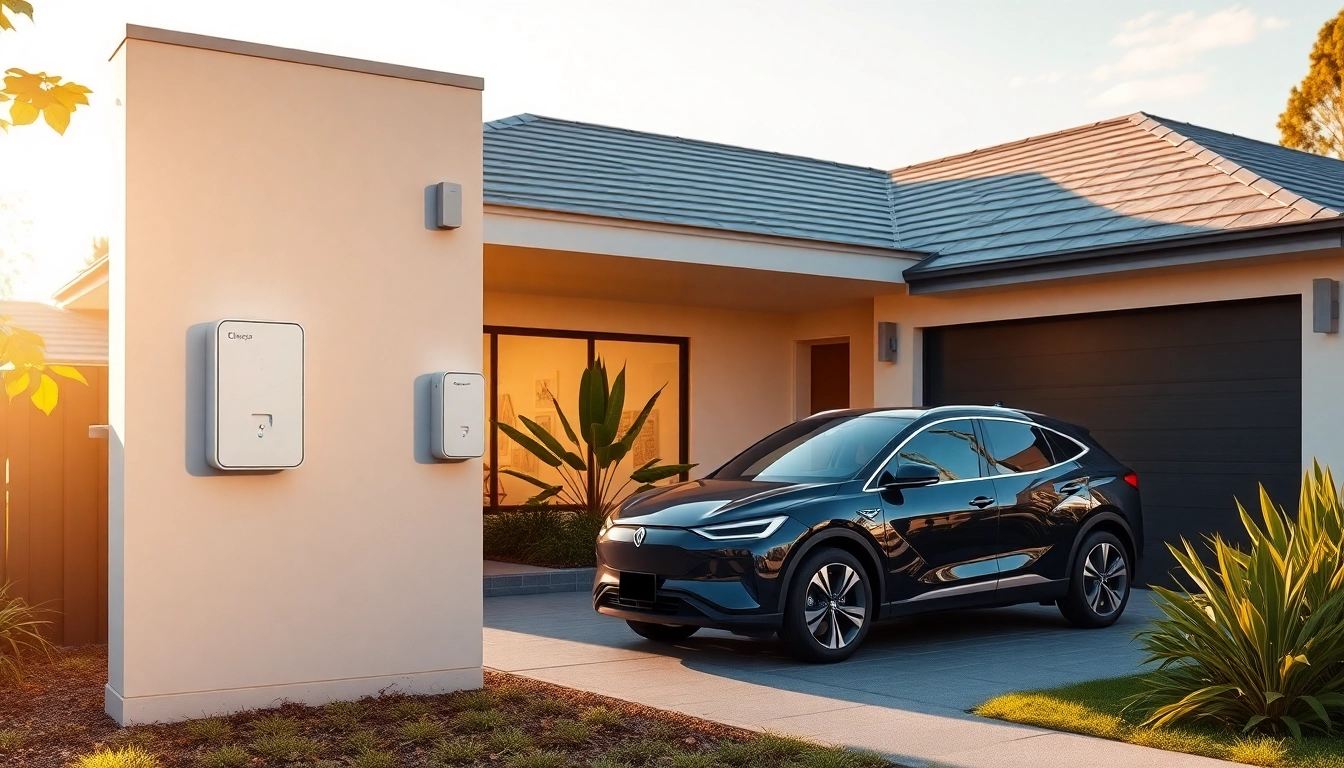
Understanding Home EV Charger Installations
As electric vehicles (EVs) gain popularity worldwide, the need for efficient home EV charger installations becomes increasingly relevant. Investing in a home EV charger not only offers convenience but also enhances your property’s value. By charging your vehicle at home, you can eliminate the hassle of finding public charging stations, save time, and often reduce your overall energy costs. A dedicated home charging system ensures that you start each day with a fully charged battery, ready for your daily commute or weekend adventures.
What is a Home EV Charger?
A home EV charger is a specialized device that connects to your home’s electrical system, allowing you to charge your electric vehicle conveniently and efficiently. Typically, these chargers come in two types: Level 1 and Level 2. Level 1 chargers utilize a standard household outlet and deliver a slower charge, ideal for overnight charging. In contrast, Level 2 chargers require a dedicated circuit and can significantly reduce charging time, making them a popular choice for dedicated EV owners.
Benefits of Installing a Home EV Charger
Installing a home EV charger comes with numerous benefits:
- Convenience: Charge your electric vehicle at home without the need to make special trips to charging stations.
- Lower Charging Costs: Home charging can often be more economical than using public chargers, especially if you can utilize off-peak electricity rates.
- Increased Property Value: A home EV charger can enhance your property’s appeal, especially as more buyers seek eco-friendly features.
- Autonomy: Eliminates range anxiety by ensuring your vehicle is always charged and ready to go.
- Compatibility: Many home chargers accommodate various EV models, providing flexibility for any vehicle you may own.
Types of Home EV Chargers Explained
Understanding the types of chargers available is crucial for choosing the right one for your needs:
- Level 1 Chargers: These are the most basic chargers, utilizing a standard 120-volt outlet. While they are the easiest to install, they charge slowly, adding around 4-5 miles of range per hour.
- Level 2 Chargers: Operating on a 240-volt outlet, Level 2 chargers are the standard for home installations. They provide significantly faster charging, typically adding 25-30 miles of range per hour, making them ideal for daily use.
- Smart Chargers: These advanced chargers come equipped with Wi-Fi connectivity, allowing you to monitor your charging habits, schedule charging times, and even integrate with home solar systems.
Cost Breakdown of Home EV Charger Installation
The cost of installing a home EV charger can vary significantly based on several factors. Understanding these costs can help you budget effectively for your installation project.
Factors Affecting Installation Costs
Several factors can influence the overall cost of your EV charger installation:
- Type of Charger: Level 2 chargers typically incur higher installation costs due to the need for specialized electrical work.
- Electrical Capacity: Your home’s existing electrical system may require upgrades to handle the additional load, influencing the total cost.
- Distance to Power Source: The location of your charging station relative to your electrical panel will affect the complexity of the installation.
- Labor Costs: Hiring certified electricians will provide safety and compliance, but labor rates vary by location and contractor experience.
- Permits and Inspections: Local regulations may require permits for installation, adding to the overall cost of the project.
Average Costs for Different Building Types
The costs associated with EV charger installations can also differ based on the type of building:
- Single-Family Homes: Average installation costs range from AUD 1,200 to AUD 2,500, depending on the complexity required.
- Multi-Family Dwellings: Costs can increase due to additional electrical requirements and the need for multiple units, averaging AUD 3,000 to AUD 5,000.
- Commercial Properties: Businesses looking to install charging stations can expect higher costs due to stricter regulations and larger power needs, often starting at AUD 5,000.
Hidden Fees to Consider in Your Quote
When getting quotes for installation, be aware of potential hidden fees that may arise:
- Upgrades to Electrical Panel: If your panel cannot handle additional load, upgrade costs can add hundreds to thousands to your final bill.
- Special Equipment or Materials: Certain installations may require specialized conduit, hardware, or other materials that could inflate the price.
- Additional Labor Costs: Unexpected labor due to complications, such as difficult cable runs or additional troubleshooting, can lead to increased costs.
- Post-Installation Services: Annual maintenance or follow-up checks may not be included, so clarify what services are covered.
5 Easy Steps to Your Home EV Charger Installation
To simplify your home EV charger installation process, follow these five straightforward steps:
Step 1: Assess Your Home’s Electrical Capacity
Before installation, it’s crucial to evaluate your existing electrical setup. Consult a licensed electrician to determine if your home can support a Level 2 charger and identify any necessary upgrades to your electrical system.
Step 2: Choose the Right Charger for Your Needs
Consider your charging needs based on your driving habits and vehicle type. Evaluate the charging speed of different chargers and whether you prefer smart features that help monitor and manage energy use.
Step 3: Schedule Your Installation with Professionals
Once you’ve selected a charger and assessed your home’s electrical capacity, schedule an installation with certified professionals. Provide them with any necessary documentation and be transparent about your requirements to ensure a smooth process.
Step 4: Prepare Your Home for Installation
Before installation day, clear the area where the charger will be installed. Ensure access to your electrical panel and any other areas that may need work. Having a tidy environment will facilitate a quicker and safer installation.
Step 5: Enjoy Your Fully Functional Home EV Charger
After installation, take the time to understand how your new charger works. Familiarize yourself with its features, set up any smart connectivity options, and enjoy the convenience of charging at home.
Frequently Asked Questions About Home EV Charger Installations
Many homeowners have questions about installing EV chargers. Here are some of the most common inquiries.
How Long Does Installation Take?
Typically, home EV charger installations take about 2-4 hours. Factors such as the route of the electrical cable, the condition of the switchboard, and the type of charger can influence this time.
Can I Use Solar Energy for Charging?
Yes! If you have solar panels installed, you can maximize your charging efficiency by integrating your EV charger with your solar system. This not only supports eco-friendly driving but can also reduce your electricity costs.
What Warranties and Guarantees are Offered?
Most installation services come with a lifetime workmanship warranty and manufacturer warranties on the chargers. It’s essential to ask your installer about their warranty policy to ensure you’re covered.
Future Trends in Home EV Charger Installations
The landscape for home EV charging is evolving rapidly. Exploring future trends can help you stay ahead of the curve.
Emerging Technologies in EV Charging
The development of fast-charging technology, wireless charging stations, and improved battery technology are all on the horizon. These innovations promise to make charging even more convenient and efficient.
Government Incentives for Home EV Chargers
Many governments are offering incentives and rebates for homeowners installing EV chargers. These programs can significantly reduce your upfront costs and encourage a shift towards greener transport options.
The Future of Smart Home Integration with EV Chargers
As smart home technology continues to advance, we expect EV chargers to integrate more seamlessly with home energy management systems, optimizing charging based on real-time energy prices and availability.