






Iron Ore Market Trends Every Global Buyer Should Know
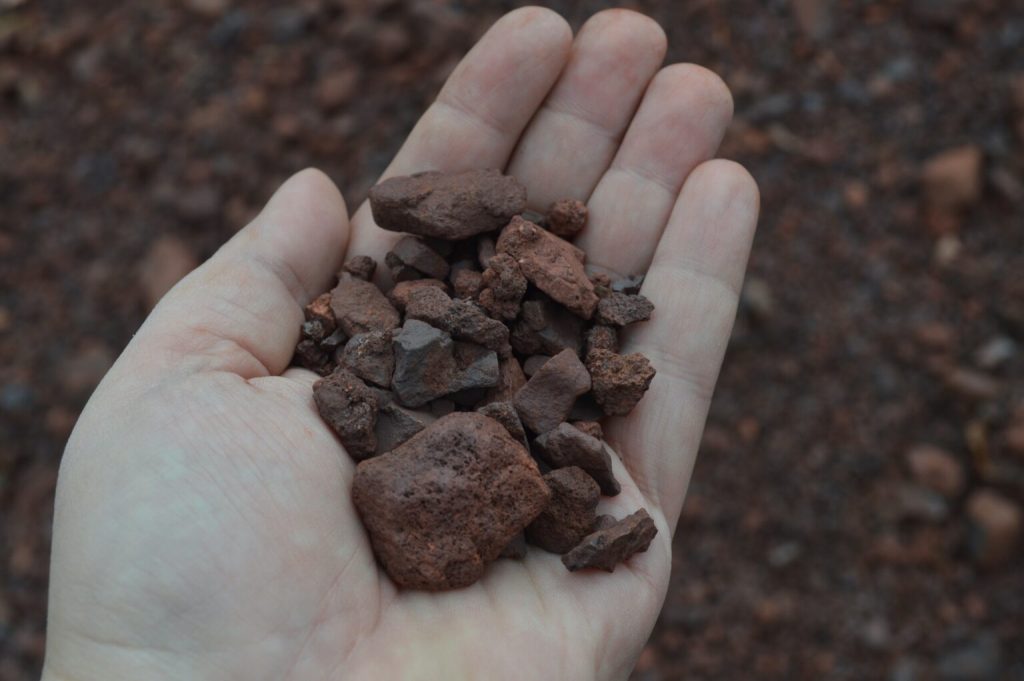
The global Iron Ore landscape is shifting rapidly, shaped by changes in steel production, emerging economies, technological advancements, and evolving logistics networks. For international buyers, understanding these market trends is crucial to securing reliable supply and competitive pricing. As demand continues rising across multiple sectors, staying informed helps buyers make smarter decisions. Crossover 5 provides the clarity and insights needed to navigate an increasingly complex Iron ore market with confidence.
The Global Demand Cycle Driving Iron Ore Consumption
Steel Production as the Primary Demand Force
Since more than 90% of Iron Ore is used for steelmaking, fluctuations in steel demand directly affect global consumption. Growing infrastructure investments, automotive manufacturing, and large-scale construction projects continue to drive the need for high-quality Iron Ore.
Expansion in Emerging Markets
Countries in Asia, the Middle East, and Africa are increasing their industrial output, creating stronger and more consistent demand for Iron Ore. As new steel mills come online, buyers must anticipate future competition for supply.
Supply Trends Reshaping the Iron Ore Market
Production Growth from Key Mining Regions
Major producers such as Australia, Brazil, and parts of Africa continue expanding capacity. However, weather disruptions, regulatory changes, and operational challenges still impact the flow of Iron Ore to global buyers.
New Mining Investments
Energy-efficient operations and new technologies are helping mines improve productivity. Crossover 5 tracks these developments closely to identify emerging Iron Ore sources for international buyers.
Price Movements and Influencing Factors
Seasonal and Geopolitical Effects
Global Iron Ore prices frequently respond to seasonal demand cycles, political decisions, port restrictions, and ocean freight rates. Understanding these variables helps buyers secure better long-term terms.
Energy Costs and Environmental Standards
Changes in carbon-emission rules and rising energy costs influence the cost of producing and transporting Iron Ore. Buyers who monitor these factors can forecast price shifts more accurately.
Shifts in Iron Ore Grade Requirements
Growing Preference for High-Grade Ores
Steel manufacturers are increasingly demanding higher-grade Iron Ore to improve production efficiency and reduce emissions. This trend is causing a tighter market for premium ore, making early sourcing more critical.
Increased Blending Strategies
To meet specific Fe content requirements, producers are blending different Iron Ore grades. Buyers must understand these blends to secure consistent performance in steelmaking.
Logistics and Supply Chain Developments
Port Congestion and Shipping Adjustments
Congested ports and fluctuating freight markets have influenced delivery timelines. Reliable logistics partners are crucial for timely Iron Ore shipments, especially for long-distance routes.
Improved Tracking and Transparency Tools
Digital verification and real-time tracking now play major roles in global Iron Ore logistics. Crossover 5 integrates these tools to give buyers clear visibility on their orders.
Sustainability and ESG Influence on Iron Ore
Environmental Expectations Transforming Mining
Mines are adopting greener technologies and stricter sustainability practices. Buyers increasingly prefer suppliers who meet modern ESG standards, influencing which Iron Ore sources remain in high demand.
Circular Economy and Recycling Impacts
While recycled steel is rising, it does not eliminate the need for new Iron Ore. Instead, it moderates demand growth and encourages producers to innovate further.
Technology Advancements in the Iron Ore Market
Automation and AI in Mining
Automated trucks, digital mapping, and AI-driven exploration help producers maintain stable supply. These advancements support more reliable Iron Ore sourcing for buyers worldwide.
Improved Processing Techniques
Enhanced beneficiation and screening processes increase the output of higher-grade Iron Ore, contributing to more consistent market supply.
How Crossover 5 Helps Buyers Respond to Market Trends
Access to Verified Global Suppliers
With demand rising, securing trustworthy Iron Ore sources is critical. Crossover 5 connects buyers to vetted suppliers with proven export capabilities.
Market Insights and Pricing Intelligence
Crossover 5 monitors global Iron Ore trends to help buyers stay competitive. This includes tracking price movements, grade availability, and logistical challenges.
Strategic Procurement and Long-Term Planning
By studying market conditions, Crossover 5 helps buyers structure long-term agreements that protect them from volatility while ensuring consistent access to Iron Ore.
Conclusion
The Iron Ore market is evolving rapidly, influenced by global demand patterns, production trends, sustainability priorities, and technological innovation. For buyers, understanding these shifts is essential to securing stable supply and competitive pricing. With Crossover 5’s market intelligence and network of verified suppliers, global buyers gain the strategic advantage needed to navigate an increasingly competitive Iron Ore marketplace.