



How Basement Dehumidification Prevents Mold and Moisture Damage
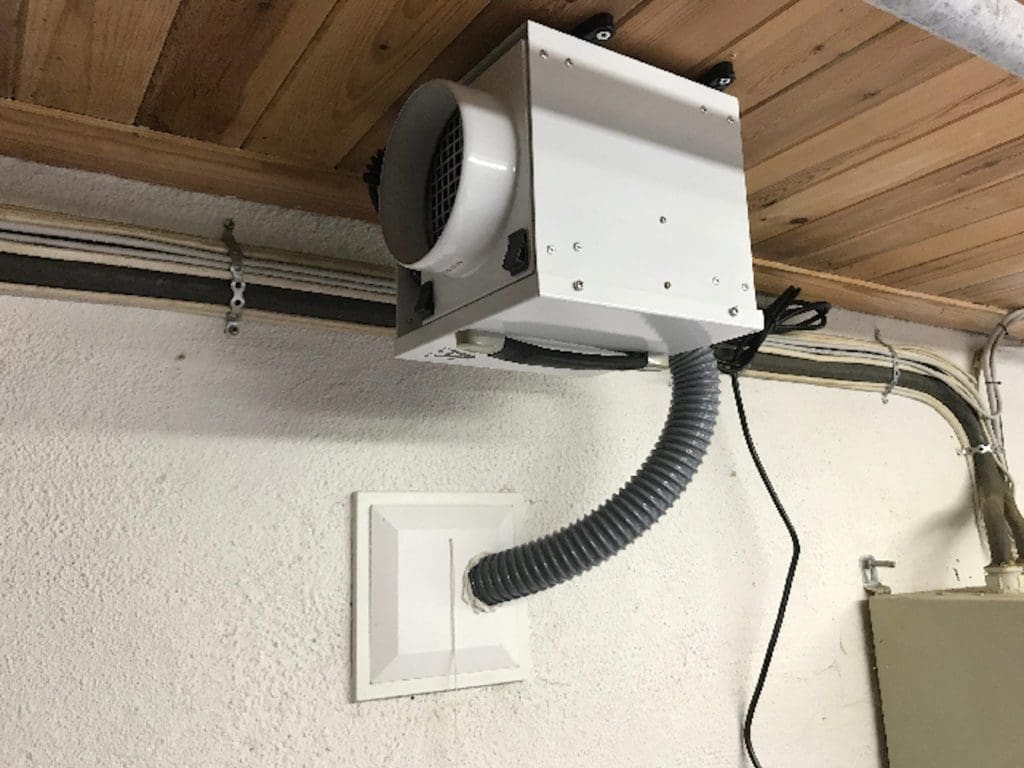
Understanding Basement Dehumidification
Basement dehumidification is an essential process for homeowners looking to maintain a dry, healthy, and safe living space. Excess moisture in basements can lead to mold growth, structural damage, and poor indoor air quality. By implementing effective basement dehumidification techniques, you can control humidity levels, prevent water-related problems, and protect your home investment.
Basement dehumidification involves using specialized equipment to remove excess moisture from the air. Unlike ventilation alone, dehumidifiers actively extract water vapor, ensuring that the basement environment remains dry and comfortable throughout the year.
Why Moisture Is a Problem in Basements
Basements are naturally prone to moisture accumulation due to their location below ground level. Water can seep in through foundation cracks, basement walls, or floors, and high humidity levels can create the perfect environment for mold and mildew. If left unchecked, moisture can damage wood, drywall, flooring, and stored belongings, leading to costly repairs.
Implementing basement dehumidification helps address these issues proactively. By maintaining an optimal humidity level between 30% and 50%, homeowners can prevent mold growth and reduce the risk of structural damage.
Benefits of Basement Dehumidification
Mold Prevention
One of the primary advantages of basement dehumidification is mold prevention. Mold thrives in damp and humid conditions, often appearing as black or green patches on walls, ceilings, and floors. Basement dehumidification reduces moisture levels, making it difficult for mold spores to survive and grow. This not only protects your property but also improves indoor air quality and reduces potential health risks associated with mold exposure.
Protection of Belongings
Basements are commonly used for storage, and excess moisture can ruin personal belongings such as furniture, clothing, and electronics. Effective basement dehumidification ensures that these items remain safe from water damage, mold, and mildew. By investing in a dehumidification system, homeowners can preserve the value of their stored items and maintain a clean and dry basement environment.
Structural Integrity
Moisture in basements can weaken the structural components of your home, including wooden beams, concrete foundations, and drywall. Over time, this can lead to costly repairs and potential safety hazards. Basement dehumidification helps maintain the structural integrity of your home by controlling humidity levels and reducing the risk of water-related damage.
Improved Air Quality
Basement dehumidification also enhances indoor air quality by reducing dampness and the presence of allergens. High humidity levels encourage mold growth and dust mite activity, both of which can trigger respiratory problems and allergic reactions. By maintaining a dry basement, homeowners can enjoy cleaner air and a healthier living environment.
How to Implement Basement Dehumidification
Choosing the Right Dehumidifier
Selecting the appropriate dehumidifier is crucial for effective basement dehumidification. Consider factors such as basement size, humidity levels, and airflow. Whole-house dehumidifiers may be suitable for larger basements, while portable units work well in smaller spaces. A professional assessment can help determine the best solution for your home.
Regular Maintenance
For basement dehumidification systems to work efficiently, regular maintenance is necessary. This includes cleaning filters, checking drainage systems, and ensuring the dehumidifier operates at optimal capacity. Routine maintenance not only prolongs the life of your system but also ensures consistent humidity control.
Complementary Waterproofing Measures
While basement dehumidification is highly effective, combining it with other waterproofing measures can further protect your home. Sealing foundation cracks, installing vapor barriers, and ensuring proper drainage around your property are excellent complementary strategies. Together, these measures create a comprehensive defense against basement moisture and mold.
Signs You Need Basement Dehumidification
Homeowners should consider basement dehumidification if they notice visible signs of moisture, such as condensation on walls, musty odors, water stains, or mold growth. Additionally, high humidity readings from a hygrometer indicate that dehumidification is necessary. Early intervention can prevent long-term damage and save money on costly repairs.
Cost-Effectiveness of Basement Dehumidification
Investing in basement dehumidification may seem like an additional expense, but it is cost-effective in the long run. Preventing mold, moisture damage, and structural issues reduces repair costs and preserves the value of your home. Furthermore, a well-maintained dehumidification system can improve energy efficiency by reducing excess humidity that may affect heating and cooling systems.
Choosing Professional Services
While some homeowners may attempt DIY basement dehumidification, hiring professionals ensures optimal results. Experienced technicians can assess your basement, recommend the right equipment, and install the system properly. Professional basement dehumidification services provide peace of mind, knowing that your home is protected against moisture-related problems.
Conclusion
Basement dehumidification is a vital component of maintaining a healthy and safe home environment. By controlling humidity levels, preventing mold growth, protecting belongings, and preserving structural integrity, basement dehumidification offers long-term benefits for homeowners. Investing in a quality dehumidification system, coupled with proper maintenance and complementary waterproofing measures, ensures that your basement remains dry, clean, and free from moisture damage. Prioritizing basement dehumidification not only safeguards your property but also enhances the overall comfort and value of your home.