

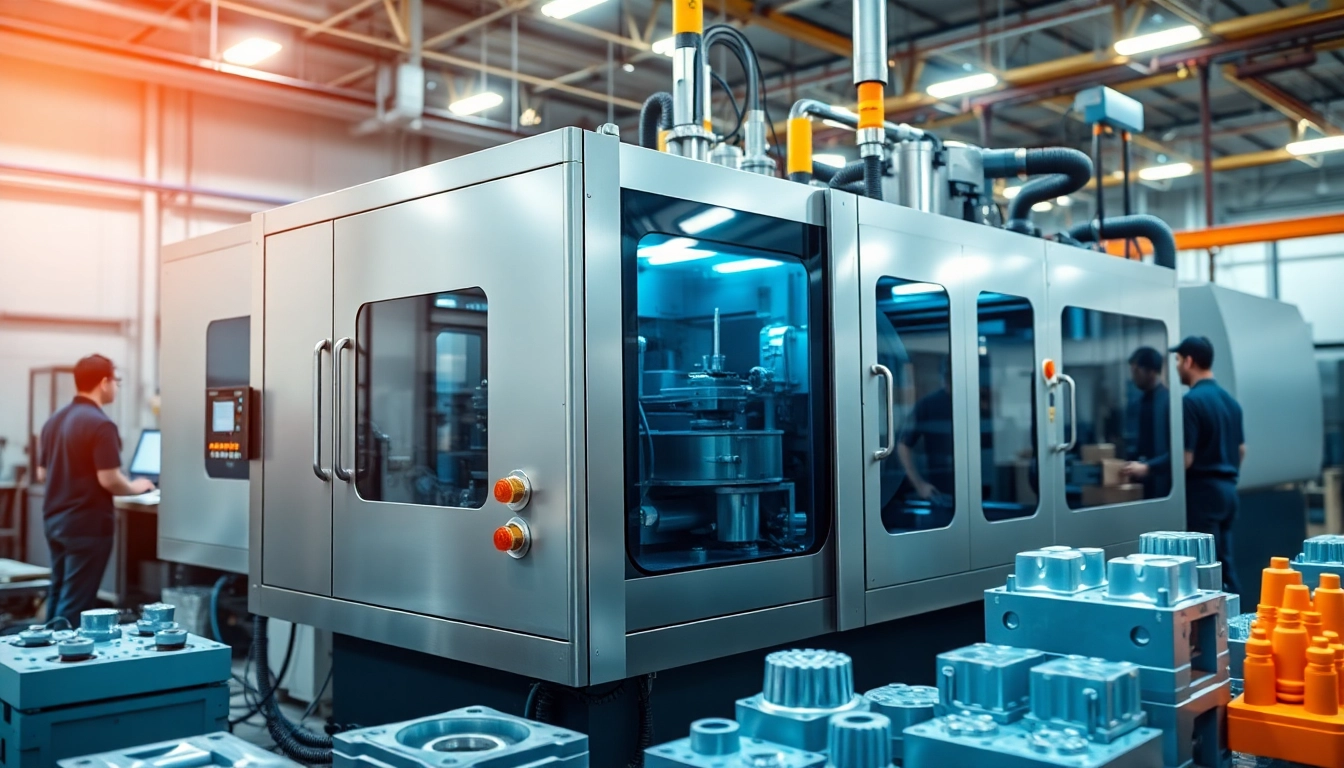
Understanding Large Injection Molding Machines
Large injection molding machines play a crucial role in various industrial manufacturing processes, allowing for the production of high-quality plastic parts in bulk. These machines are designed to handle larger molds and produce parts that are sometimes too large for traditional molding equipment. Many industries, such as automotive, consumer goods, and packaging, rely on these machines for their efficiency and effectiveness. Discovering the right large injection molding machine can significantly enhance production capabilities and reduce costs over time.
What is a Large Injection Molding Machine?
A large injection molding machine is specifically engineered to handle heavy-duty production requirements. These machines typically have a clamping force of over 1,000 tons and can accommodate larger molds, allowing manufacturers to produce bigger and more complex parts. Their robust design is essential for industries that require high output rates and consistent quality.
Key Features and Benefits
Large injection molding machines come equipped with several key features that enhance their performance:
- High Clamping Force: Capable of securely holding larger molds during the injection process, ensuring dimensional accuracy.
- Versatile Mold Capacity: Designed to accept a range of mold sizes and shapes, allowing for a diverse product offering.
- Energy Efficiency: Modern large machines often integrate advanced technologies such as servo drives that optimize energy usage.
- Improved Cycle Times: Enhanced performance through automation and efficient heating systems leads to faster production cycles, crucial in competitive markets.
- Precision Control: Advanced control systems provide real-time monitoring and adjustments, which are vital for maintaining quality in large production runs.
Common Applications in Industry
Large injection molding machines are ubiquitous in several sectors due to their versatility:
- Automotive: Production of components like dashboards, bumpers, and larger assemblies that require precision and durability.
- Consumer Goods: Manufacture of large items such as crates, toys, and household appliances.
- Packaging: Creating large containers and plastic pallets for various industries, meeting high-volume demands.
- Medical Devices: Producing larger medical equipment housings that require compliance with stringent industry standards.
Advantages of Using Electric Injection Molding Machines
The transition from hydraulic to electric injection molding machines has brought significant advancements in several aspects of manufacturing.
Energy Efficiency and Cost Savings
Electric injection molding machines consume far less energy than their hydraulic counterparts. This efficiency leads to reduced operational costs, as they require less power to maintain the same output levels. Additionally, the lower energy consumption contributes to a more sustainable production process, appealing to environmentally conscious manufacturers.
Precision and Quality Control
Electric machines offer superior precision and repeatability. The use of servo motors allows for exact control over movement and pressure, critical for producing high-quality parts consistently. This level of control minimizes defects, thereby increasing the overall yield and reducing waste.
Reduced Environmental Impact
With less energy consumption and fewer emissions, electric injection molding machines are a more environmentally friendly option. They often utilize clean technologies that decrease the overall carbon footprint of the manufacturing process. In an era where sustainability is paramount, this advantage cannot be overstated.
Choosing the Right Large Injection Molding Machine
Selecting the appropriate large injection molding machine for your business involves several considerations tailored to your specific operational needs.
Factors to Consider
When assessing which machine best suits your needs, consider the following:
- Production Volume: Determine the number of parts required annually to establish the necessary machine capacity.
- Mold Size: Evaluate the size and complexity of the molds you intend to use to ensure compatibility with the machine.
- Material Type: Different machines excel with specific materials. Understanding your material requirements is essential.
- Technology Level: Consider whether the latest automation features and control technologies align with your production requirements.
Comparing Different Models
Before purchasing, it’s prudent to compare specifications and performance metrics of various models from different manufacturers. Look for:
- Energy consumption rates
- Production cycle times
- Service and maintenance requirements
- Warranty and support options
Industry-Specific Needs
Different industries have unique demands. For instance, the automotive sector may prioritize speed and durability, while the medical industry might emphasize precision and compliance with regulatory standards. Engage with industry-specific consultants to ensure you choose a model that meets all necessary criteria.
Best Practices for Operating Large Injection Molding Machines
Operating large injection mold machines effectively requires attention to detail and best practices to optimize production.
Maintenance and Troubleshooting
Regular maintenance is vital for minimizing downtime. Establish a routine schedule for machine checks, including lubrication, filter replacements, and performance assessments. Familiarizing the operation staff with basic troubleshooting techniques can significantly decrease reliance on service technicians, thus enhancing overall productivity.
Optimizing Production Processes
To maximize efficiency, consider the following production optimizations:
- Employ data analytics to track machine performance and identify potential bottlenecks.
- Implement lean manufacturing principles to reduce waste and improve processes.
- Invest in training for operators to ensure they are well-versed in both machine operation and safety protocols.
Training Employees Effectively
Training is critical. Ensure that operators are well-trained not only in machine operation but also in understanding the importance of quality control processes. Regular refresher courses can help maintain high standards of safety and efficiency.
Future Trends in Injection Molding Technology
The injection molding industry is evolving rapidly, with several trends anticipated to shape its future significantly.
Emerging Innovations for 2025
One notable trend is the integration of artificial intelligence (AI) in machine operation, leading to predictive maintenance and smarter quality control systems. This can mitigate risks and enhance productivity.
Automation and Robotics in Manufacturing
Automation continues to be a pivotal driver in reshaping manufacturing. The incorporation of robotics in injection molding processes allows for higher efficiency and the possibility of 24/7 production cycles, essential for meeting increasing consumer demands.
Market Predictions and Economic Impact
Experts project steady growth in the injection molding market, mainly attributed to advancements in technology and the growing demand for complex molded parts in various sectors. As manufacturers adapt to these changes, those investing in state-of-the-art equipment, such as large injection molding machines, are likely to gain a competitive edge.


