

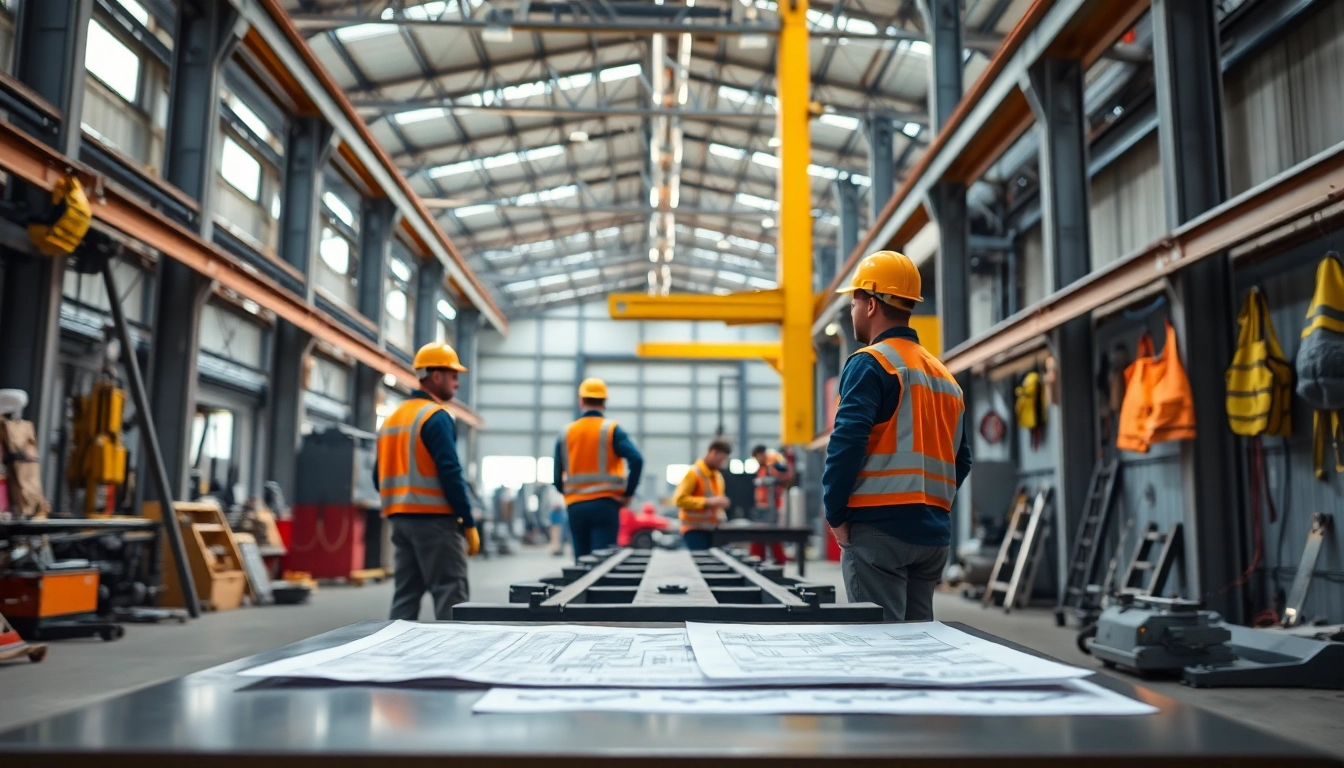
Introduction to Structural Steel Fabrication
Structural steel fabrication is a critical component of modern construction, transforming raw steel into various structural components used in buildings, bridges, and other infrastructures. This process involves intricate techniques that ensure precision and durability in finished products. As the demand for sustainable and robust structures grows, understanding the intricacies of structural steel fabrication becomes more important for stakeholders across the construction industry. In this article, we will explore the definition, significance, materials, processes, and future trends associated with structural steel fabrication.
What is Structural Steel Fabrication?
Structural steel fabrication refers to the method of taking raw steel and converting it into finished steel products, which can include beams, columns, and plates. This transformation includes several processes such as cutting, bending, welding, and assembling to create steel structures that meet specific engineering and architectural requirements. It is not merely about shaping the steel; it encompasses a series of complex operations aimed at ensuring that the finished product can resist the forces it will encounter in its intended application.
Importance of Structural Steel Fabrication in Construction
The role of structural steel fabrication in construction cannot be overstated. As a major building block for residential, commercial, and industrial projects, steel components are praised for their strength-to-weight ratio, durability, and flexibility.
- Strength and Durability: Steel is a resilient material, capable of withstanding significant load and stress, making it ideal for constructing tall buildings, bridges, and heavy machinery.
- Versatility: Structural steel can be designed to form complex shapes, allowing architects to realize innovative designs while maintaining structural integrity.
- Speed of Construction: Pre-fabricated steel components can be quickly assembled on-site, significantly reducing construction time and labor costs.
- Cost-effectiveness: Structures made with steel generally require less material compared to traditional building materials, leading to reduced costs over the lifespan of the building.
- Environmental Impact: Steel is recyclable, which contributes to sustainable construction practices.
Common Materials Used in Structural Steel Fabrication
The most common materials utilized in structural steel fabrication include:
- Carbon Steel: The most widely used steel in construction, known for its strength and affordability.
- Alloy Steel: Contains additional alloying elements like nickel, chromium, or manganese, imparting specific properties like improved toughness and corrosion resistance.
- Stainless Steel: Known for its high resistance to corrosion, used in environments where steel is exposed to moisture.
- High Strength Low Alloy (HSLA) Steel: Provides better mechanical properties and greater resistance to atmospheric corrosion.
Processes Involved in Structural Steel Fabrication
The fabrication process can be categorized into several key stages, each vital for achieving the desired quality standards.
Cutting Techniques in Structural Steel Fabrication
Cutting is the initial stage of fabrication, fundamental to shaping raw steel into specified dimensions. Various cutting techniques are employed:
- Laser Cutting: Utilizes a focused beam of light to melt or vaporize steel, offering high precision and clean edges.
- Waterjet Cutting: Employs a high-pressure jet of water, often combined with abrasive particles, to achieve intricate cuts without imparting heat to the steel.
- Plasma Cutting: Uses a high-velocity jet of ionized gas to melt steel, ideal for cutting thicker plates quickly.
- Saw Cutting: Involves traditional methods using bandsaws or circular saws, generally suitable for less complex shapes.
Bending and Shaping Methods in Structural Steel Fabrication
Once cut to size, steel undergoes bending and shaping to fit design specifications. This process ensures that steel elements maintain structural integrity while achieving the desired shape.
- Roll Bending: Uses rollers to bend steel plates into arcs or circles.
- Press Brake Bending: A method that uses a press brake to fold metal sheets and plates at specific angles.
- Stretch Forming: Involves stretching and bending the steel simultaneously to achieve complex shapes.
Welding Techniques Essential for Structural Steel Fabrication
Welding is a critical process that joins various steel components together, ensuring overall stability and strength. Common welding techniques include:
- MIG Welding: Metal Inert Gas welding uses a continuous wire feed and is known for its speed and ease of use.
- TIG Welding: Tungsten Inert Gas welding provides higher precision and is suitable for thin materials.
- Stick Welding: A more established technique that uses a coated electrode to create the weld. It is versatile and effective in various environments.
- Submerged Arc Welding: A method where the arc is submerged under a blanket of granular fusible material, minimizing spatter while providing deep penetration.
Best Practices for Efficient Structural Steel Fabrication
To achieve high-quality outputs in structural steel fabrication, firms should adopt various best practices.
Quality Control Measures in Structural Steel Fabrication
Quality control (QC) ensures that fabricated steel components meet all necessary specifications and standards. Key QC measures include:
- Material Inspection: Verifying properties of steel, including strength, composition, and surface quality.
- Dimensional Checks: Regularly measuring components to ensure compliance with design specifications.
- Welding Inspection: Conducting tests such as radiography, ultrasonic testing, and visual inspection to confirm weld integrity.
Optimizing Workflow in Structural Steel Fabrication
Streamlining the workflow significantly enhances productivity and reduces costs. This can be achieved by:
- Layout Optimization: Organizing workspaces to minimize movement and improve efficiency.
- Digital Tools: Utilizing CAD software for precision design and virtual prototyping to avoid errors in the fabrication process.
- Lean Manufacturing: Implementing principles to minimize waste and improve overall workflow efficiency.
Safety Standards in Structural Steel Fabrication
Ensuring a safe working environment is paramount in steel fabrication. Organizations should adhere to stringent safety protocols, including:
- Personal Protective Equipment (PPE): Mandating the use of helmets, gloves, goggles, and steel-toed boots.
- Safety Training: Providing ongoing training on equipment operation, handling procedures, and emergency protocols.
- Regular Inspections: Conducting safety audits and inspections to identify and mitigate potential hazards.
Challenges in Structural Steel Fabrication and Solutions
No industry is free from challenges, and structural steel fabrication is no exception. Recognizing these challenges and implementing effective solutions is crucial.
Cost Factors in Structural Steel Fabrication
Several factors can impact the cost of structural steel fabrication:
- Material Prices: Fluctuations in steel prices can directly affect overall project costs.
- Labor Costs: Skilled labor is essential but can be a significant part of overall expenses.
- Overhead Costs: Administrative and operational costs can accumulate.
Solution strategies include bulk purchasing of materials, investing in staff training to increase productivity, and efficient project management.
Managing Time Efficiency in Structural Steel Fabrication
Time delays can significantly affect project deadlines. To manage time efficiently, consider the following:
- Project Planning: Effective scheduling and resource allocation can streamline fabrication processes.
- Pre-fabrication Techniques: Off-site fabrication can save time during on-site assembly.
- Real-time Monitoring: Employ technology to track progress and identify bottlenecks early.
Environmental Considerations in Structural Steel Fabrication
The structural steel fabrication industry faces increasing scrutiny regarding its environmental impact. Key considerations include:
- Waste Management: Implementing recycling and waste reduction strategies within the fabrication process.
- Energy Efficiency: Utilizing energy-efficient equipment and practices to minimize carbon footprints.
- Green Certifications: Pursuing environmental certifications to meet regulatory standards and client expectations.
The Future of Structural Steel Fabrication
As technology evolves, so does the field of structural steel fabrication. Embracing innovations will be essential for staying competitive.
Emerging Technologies in Structural Steel Fabrication
Recent advancements are reshaping structural steel fabrication, enhancing precision and efficiency:
- 3D Printing: This technology is being explored for creating intricate steel components quickly and accurately.
- Virtual Reality (VR): Used for design validation and training, allowing teams to visualize projects before fabrication.
- RFID Technology: Radio Frequency Identification can streamline inventory control and tracking of materials throughout the fabrication process.
The Impact of Automation on Structural Steel Fabrication
Automation is increasingly playing a role in structural steel fabrication, enhancing productivity while reducing human error. Potential benefits include:
- Increased Productivity: Automated systems can enhance the speed of cutting, welding, and material handling.
- Consistent Quality: Automation helps ensure consistent results, minimizing human-related inconsistencies.
- Reduced Labor Costs: By streamlining operations, companies can manage labor resources more effectively.
Market Outlook for Structural Steel Fabrication
The market for structural steel fabrication is poised for growth as infrastructure projects continue to rise globally. Data indicates a projected compound annual growth rate (CAGR) that underscores the importance of steel fabrication:
- Increasing demand for green building materials.
- Growing investments in infrastructure and commercial construction.
- Technological advancements enhancing the value of fabricated products.
Frequently Asked Questions (FAQs)
What is structural steel fabrication?
Structural steel fabrication is the process of transforming raw steel into usable parts, such as beams and columns, using techniques like cutting, bending, welding, and assembling.
Why is structural steel fabrication important?
It is crucial for construction due to its strength, versatility, speed of assembly, and cost-effectiveness, making it a preferred choice for many construction projects.
What materials are commonly used in steel fabrication?
Common materials include carbon steel, alloy steel, stainless steel, and high strength low alloy steel, each offering varying properties suitable for different applications.
How does automation affect steel fabrication?
Automation boosts productivity, ensures consistent quality, and reduces labor costs by streamlining cutting, welding, and assembly processes in steel fabrication.
What are the environmental considerations in steel fabrication?
Key considerations include waste management, energy efficiency, and adhering to green building certifications to minimize environmental impact.


