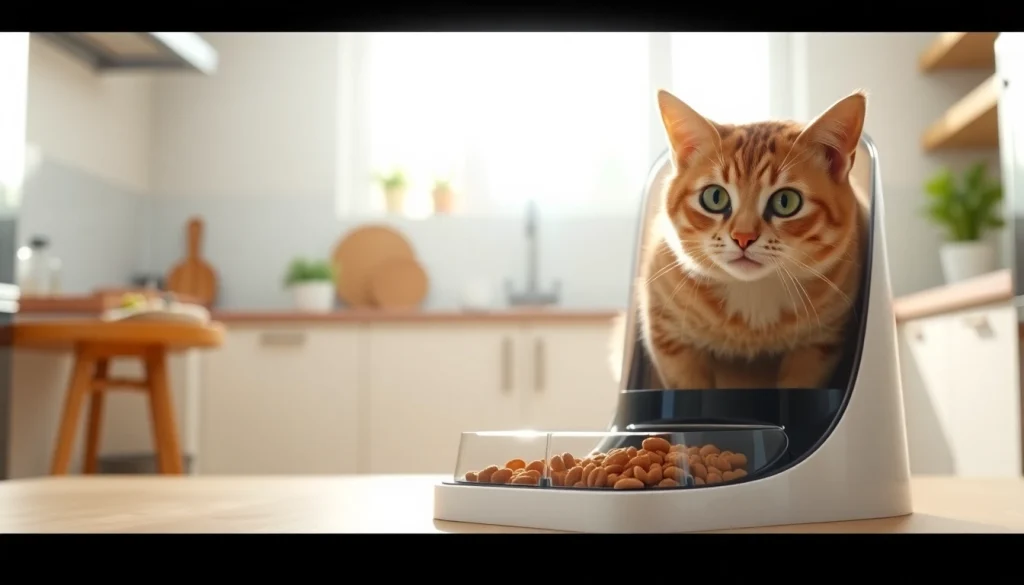
Understanding Automatic Cat Feeders
What Is an Automatic Cat Feeder?
An automatic cat feeder is a device designed to dispense cat food at pre-scheduled times and in prescribed portions. These feeders are particularly valuable for pet owners who may be away from home due to work or travel, as they ensure that your feline friend is well-fed even in your absence.
Unlike traditional feeding methods, which require daily input from a human caretaker, automatic feeders take on this responsibility, providing convenience for both owner and pet. Many models now feature digital interfaces that allow pet owners to program specific feeding schedules and customize portion sizes to maintain their cat’s health and dietary needs.
Benefits of Using Automatic Cat Feeders
The benefits of investing in an automatic cat feeder are significant. First and foremost, they offer convenience. Owners are not always able to adhere to strict feeding times due to their busy schedules, and an automatic feeder alleviates the stress of worrying about your pet’s meal times. Moreover, these feeders assist in maintaining a healthy diet for your cat by preventing overeating or underfeeding, which can lead to obesity or malnutrition.
Other notable benefits include:
- Portion Control: Many feeders let you set specific amounts for your cat, which helps manage their weight.
- Scheduling Flexibility: You can program multiple meals throughout the day to mimic natural feeding habits.
- Remote Feeding: Some advanced models enable access via smartphone apps for feeding from afar.
- Less Spillage: Automatic feeders tend to minimize the mess associated with traditional feeding, as food is delivered in a controlled manner.
How Automatic Cat Feeders Work
Automatic cat feeders come equipped with various mechanisms to ensure that they dispense food appropriately. Generally, they operate using an internal timer and a motorized mechanism that releases food into a feeder bowl at pre-set intervals. Some may utilize gravity to maintain food levels, while others employ a rotating barrel system for dispensing.
A more advanced category includes Wi-Fi enabled models, which can be accessed via a smartphone application. These smart feeders often come with features such as camera functionality, allowing pet owners to observe their pets in real-time.
Choosing the Right Automatic Cat Feeder
Key Features to Look For
Selecting the right automatic cat feeder can be overwhelming, given the myriad of models available. Here are some crucial features to consider:
- Capacity: Depending on the size of your cat and their dietary requirements, choose a feeder that holds sufficient food for multiple days if needed.
- Programmable Scheduling: Look for options that allow you to program several meals a day and specific portion sizes.
- Material Quality: Choose feeders made from durable, easy-to-clean materials that are safe for pets.
- Power Source: Consider whether the feeder runs on batteries, is plug-in, or has a rechargeable option. Backup power is a key feature to ensure functionality during outages.
- Camera Feature: For those who travel frequently, feeders with built-in cameras can provide peace of mind by allowing you to monitor your pet’s eating habits.
Popular Brands and Models
Some popular brands in the automatic feeder market include PETKIT, Petlibro, and SureFeed, each offering distinct features tailored to specific needs. For instance, PETKIT’s feeders are known for their integration of AI technology to gauge feeding habits and analyze dietary input, potentially leading to healthier eating patterns.
One highly acclaimed model is the SureFeed Microchip Pet Feeder, which reads your cat’s microchip to provide meals exclusively to authorized pets, preventing food theft by other animals. Such innovative features can greatly benefit multi-pet households.
User Reviews and Recommendations
Before making a purchase, reviewing consumer feedback on different models can give you insights into real-life usage experiences. On platforms like Amazon, users frequently laud models that function seamlessly and offer reliability with their feeding schedules.
It’s advisable to consider models with at least four stars and to read individual comments, focusing on issues like ease of setup, efficiency, and customer service responses.
Setting Up Your Automatic Cat Feeder
Initial Setup and Configuration
Setting up an automatic cat feeder is typically straightforward. Most models come with clear instructions. You’ll need to:
- Assemble the feeder according to the manufacturer’s guidelines.
- Fill the food container with your cat’s preferred dry food. Ensure it is compatible with the feeder’s design.
- Set the timer and portion sizes per your established feeding routine.
- Perform a test run by observing the feeder in action to ensure proper function before leaving your pet unattended.
Feeding Schedules and Portion Control
Maintaining an effective feeding schedule and controlling portion sizes are vital for your cat’s well-being. Automatic feeders enable you to set multiple daily feedings, promoting consistent mealtime habits that align with a natural feeding rhythm.
It’s advisable to consult with your veterinarian to determine the right portions based on your cat’s weight, age, and activity levels. This data can help prevent obesity and health issues related to overfeeding.
Connecting with Smart Home Devices
For tech-savvy cat owners, many modern automatic feeders have compatibility with smart home systems. By connecting these devices to your smartphone or home assistant (such as Amazon Alexa or Google Assistant), you can control feeding schedules remotely, dispense food on command, and receive notifications about feeding times.
Integrating your automatic cat feeder with smart home technology not only adds convenience but allows you to monitor your cat’s eating habits closely and make quick adjustments if concerns arise.
Common Challenges with Automatic Cat Feeders
Potential Technical Issues
Despite their advantages, automatic cat feeders can encounter technical challenges, leading to frustration among pet owners. Issues may include:
- Feeder Malfunctions: Periodic jam-ups in the dispensing mechanism or errors in programming can disrupt the feeding schedule.
- Power Failures: A loss of power can hinder the feeder’s functionality unless you have a backup system in place.
- Connectivity Problems: Smart feeders occasionally experience connectivity issues with Wi-Fi, preventing access through mobile applications.
Regular maintenance checks, including cleaning the dispensing mechanism and inspecting the power supply, can mitigate many of these issues.
Addressing Cat Behavioral Concerns
Behavioral issues can also arise with automatic feeders. Some cats might take time to adjust to automated feeding practices, particularly if they are accustomed to being fed directly by their owners. Signs of hesitation or refusal to eat from an automatic feeder can occur.
Gradual acclimation is often key; introducing the feeder during a time of day when your cat typically eats can help them get used to the machine. Additionally, allowing them to observe you filling the feeder initially may provide comfort.
Maintenance Tips for Longevity
To ensure your automatic feeder functions effectively over time, regular cleaning is essential. Residue from cat food can lead to mold growth and malfunctioning components. Here are some maintenance tips:
- Disassemble the feeder weekly for cleaning. Use mild soap and rinse thoroughly, ensuring any food residue is removed.
- Check the bowl and food reservoir for signs of wear or damage.
- Keep electronics dry and protected from moisture to prevent short-circuiting.
Following these guidelines will help you maintain the intelligence and convenience of your automatic feeder for years to come.
The Future of Automatic Cat Feeding
Innovative Features on the Horizon
As technology evolves, so do automatic cat feeders. Some exciting prospects include sensors that detect food freshness, thereby alerting owners when it’s time for a refill or food replacement. Integrating health monitoring systems to track your cat’s eating habits and weight can present significant advancements in preventive health care.
How Technology Is Shaping Pet Feeding
Integration with artificial intelligence (AI) is paving the way for smarter feeding devices that adapt meal recommendations based on the cat’s activity level. These features can personalize feeding regimens, ensuring that dietary changes can easily accommodate shifts in health status, such as age-related concerns.
Furthermore, with the rise of IoT (Internet of Things), feeder systems will likely share data with veterinary clinics for enhanced health monitoring, making appointments and checks simpler and more efficient.
Expert Opinions on the Evolution of Automatic Feeders
Experts in veterinary nutrition express a cautiously optimistic outlook on the implementation of automatic feeders. While they appreciate the convenience, they emphasize that device usage should never replace proactive supervision of pet health. Building relationships with pets and monitoring their behaviors are fundamental components of their diets.
In conclusion, while the landscape of pet care continues to evolve with technology, the ultimate goal remains the same: promoting healthier and happier lives for our beloved feline companions.