





Crafting Natural Colors Using Mimosa Hostilis Root Bark
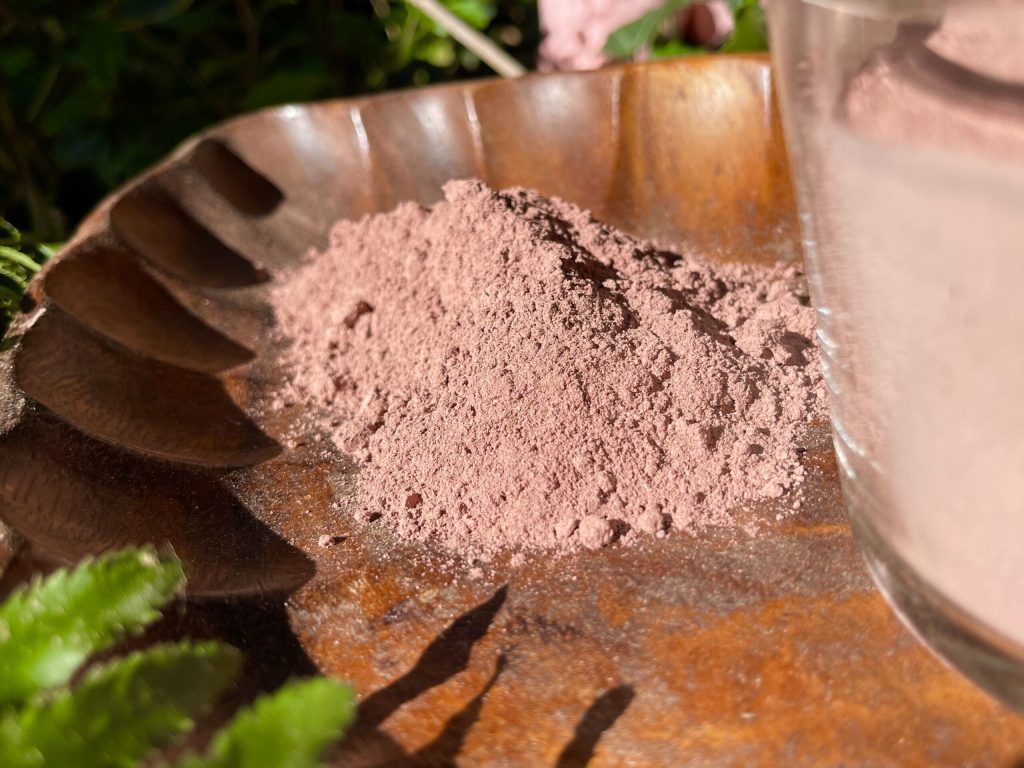
Natural dyeing has made a powerful return as artists and textile designers seek richer, more meaningful, and eco-friendly ways to color fabric. Among the most celebrated botanical dye sources is Mimosa hostilis root bark, prized for its deep, earthy tones and exceptional colorfastness. Whether you are a beginner exploring natural pigments or an experienced artisan refining your craft, working with Mimosa hostilis root bark opens the door to an impressive range of natural colors. This guide will help you understand how to craft beautiful, long-lasting dyes using this remarkable plant material.
What Makes Mimosa Hostilis Root Bark Unique?
Naturally High Pigment Density
One of the key reasons artisans value Mimosa hostilis root bark is its unusually high tannin content. Tannins help color bind deeply to natural fibers, resulting in strong, resilient shades. With proper extraction, Mimosa hostilis root bark produces rich reds, maroons, purples, and chocolate-like browns.
Reliable and Versatile
Another advantage is its consistency. Unlike many plant dyes that vary widely depending on soil and climate, Mimosa hostilis root bark provides dependable results. This reliability makes it an excellent choice for hobbyists and professionals who want predictable, repeatable outcomes.
Preparing Your Fibers
Clean Fibers for Best Absorption
Before dyeing, clean your fibers thoroughly. Oils, residues, or fabric treatments can interfere with pigment absorption. When fibers are properly prepared, the colors from Mimosa hostilis root bark absorb more evenly and deeply, enhancing both vibrancy and durability.
Effective Mordanting
Mordants help pigments bind securely to fibers. Alum is commonly used, especially for cotton, linen, wool, and silk. Even though Mimosa hostilis root bark contains natural tannins, mordanting ensures richer tones and greater wash resistance. For darker shades, a light iron after-bath can deepen colors beautifully.
Extracting Color from Mimosa Hostilis Root Bark
Soaking Improves Pigment Release
To extract strong pigment, soak Mimosa hostilis root bark in water for several hours or overnight. This softens the bark and begins releasing its natural dyes.
Gentle Simmering for Deep Color
Heat the soaked mixture slowly. A gentle simmer for one to two hours is ideal. This process draws out the full color potential of Mimosa hostilis root bark without degrading its pigments. After heating, the liquid will turn a deep reddish or burgundy color, indicating a rich dye bath.
Straining for Smooth Application
Filter the dye bath carefully to remove bark fibers. Smooth liquid ensures that the pigments from Mimosa hostilis root bark adhere evenly to the fabric without creating spots or texture.
Dyeing Techniques for Beautiful Natural Colors
Immersion Dyeing for Uniform Shades
Place pre-wetted fibers into the warm dye bath. Allow them to soak slowly, stirring periodically to ensure even coloring. The longer the fibers soak in Mimosa hostilis root bark, the deeper the resulting shade.
Layering for Depth and Dimension
For complex, layered tones, dye the fabric multiple times. Let each layer dry before returning it to a fresh or reheated bath. Layering highlights the natural richness of Mimosa hostilis root bark and produces beautifully dimensional colors.
Temperature Control
Avoid boiling, as high temperatures can harden fibers or shift shades. Moderate, consistent heat brings out the best in Mimosa hostilis root bark, helping pigments settle smoothly and evenly.
Creative Color Modifications
Using Natural Modifiers
Modifiers can dramatically shift the hue of Mimosa hostilis root bark. Iron brings darker, more muted tones, pushing colors toward rustic browns or near-black shades. Alum brightens colors for clearer reds and purples.
Fiber Type Matters
Different fibers interact uniquely with Mimosa hostilis root bark.
- Wool and silk absorb deeper, richer shades.
- Cotton and linen create softer, more muted tones that can be intensified through layering or tannin boosts.
Experimenting with various materials can expand your natural-color palette dramatically.
Sustainability Benefits
Eco-Friendly and Biodegradable
Dyeing with Mimosa hostilis root bark supports eco-friendly craft practices. The material is plant-based, biodegradable, and requires minimal processing. The leftover dye bath can often be reused, and once exhausted, it returns harmlessly to the environment.
Long-Lasting Colors Reduce Waste
Because the colors from Mimosa hostilis root bark last for years, textiles require less maintenance and fewer re-dyeing sessions. This contributes to more sustainable garment and textile production overall.
Troubleshooting for Best Results
If colors appear lighter than expected, try simmering the bark longer or increasing the amount of Mimosa hostilis root bark. Uneven absorption often comes from inadequate stirring or crowded dye pots. Dull shades may indicate insufficient mordanting—repeating the process can help the pigments bond more strongly.
Water quality also plays a role. If your local water contains heavy minerals, you may see subtle variations in shade. Testing a small swatch before dyeing an entire piece can help you achieve more controlled results with Mimosa hostilis root bark.
Conclusion
Crafting natural colors with Mimosa hostilis root bark offers a fulfilling and sustainable way to create richly pigmented textiles. From careful preparation and extraction to layering and creative modification, each step helps you unlock the full artistic potential of this remarkable plant dye. Whether you aim to produce bold, dark tones or soft, earthy hues, Mimosa hostilis root bark provides beauty, versatility, and long-lasting color. Embrace its natural strength and let Mimosa hostilis root bark elevate your dyeing practice with authentic, botanical artistry.