Understanding the Role of an Elderly Care Maid
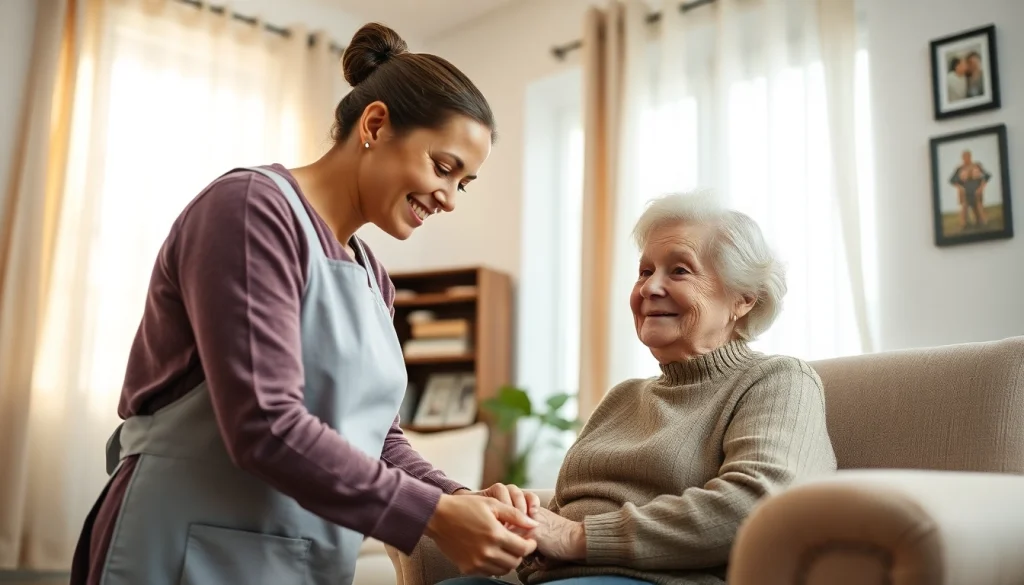
As the population ages, more families are faced with the challenge of providing adequate care for elderly relatives. This situation can lead to stress and confusion about how to best support aging loved ones. One solution that is gaining traction is hiring an elderly care maid. In this article, we will explore the essential role of an elderly care maid, their responsibilities, how they support families, and the numerous benefits they bring to senior living.
Defining the Responsibilities of an Elderly Care Maid
An elderly care maid takes on various tasks to support the health and well-being of senior citizens. Their roles can significantly vary based on individual needs, but typically include:
- Personal Care: Assisting with daily living activities such as bathing, grooming, dressing, and eating.
- Household Chores: Managing light housekeeping, including laundry, cleaning, and preparing meals, ensuring the living environment is safe and comfortable.
- Companionship: Providing emotional support and social interaction, helping to combat feelings of loneliness and isolation.
- Medication Management: Assisting with medication schedules and reminders, ensuring that the elder takes their medications as prescribed.
- Mobility Assistance: Helping with movement and transfers, whether it be from a chair to a bed or walking around the home.
These responsibilities allow families to feel secure knowing their loved ones are not only safe but also treated with dignity and respect.
Core Competencies Required for Effective Care
For an elderly care maid to be effective in their role, several core competencies are essential. These skills ensure that they can provide comprehensive care tailored to the specific needs of seniors:
- Communication Skills: Being able to clearly communicate with the elderly, their families, and healthcare professionals is vital for effective caregiving.
- Empathy: A genuine understanding of the emotional challenges faced by seniors can improve their quality of life and build trust.
- Patience: Working with elderly individuals often requires a great deal of patience, especially when they are grappling with memory issues or physical limitations.
- Physical Stamina: The role can be physically demanding, as it may involve lifting, walking, or standing for longer periods.
- Basic Healthcare Knowledge: Having a fundamental understanding of elder care, including common health issues, strengthens the quality of care provided.
These competencies ensure that elderly care maids can deliver high-quality support and foster a positive living environment for seniors.
How Elderly Care Maids Support Families
The decision to bring in an elderly care maid often stems from a family’s need for additional help. This type of support has far-reaching implications for both the elders receiving care and their family members:
- Relieving Family Stress: The added responsibility of caring for an elderly loved one can lead to caregiver stress. An elderly care maid helps alleviate this burden, allowing family members to balance their personal and professional lives.
- Improving Family Relationships: With less pressure on family members to provide care, relationships can flourish. Families can spend quality time with their loved ones without the stress of caregiving tasks weighing them down.
- Promoting Independence: Elderly care maids encourage seniors to maintain their independence while offering the support they need, which can lead to improved self-esteem and mental health.
- Ensuring Safety: A professional elder care maid is trained to spot potential hazards in the home, ensuring the safety of elderly residents.
In summation, the presence of an elderly care maid can lead to healthier dynamics within families, enhancing the well-being of everyone involved.
Benefits of Hiring an Elderly Care Maid
As families consider hiring an elderly care maid, it’s essential to evaluate the numerous benefits that come with this decision. Below are some key advantages:
Improved Quality of Life for Seniors
Research indicates that seniors often experience improved physical and emotional well-being when receiving professional assistance. An elderly care maid fosters an engaging, nurturing environment where seniors can thrive:
- Engagement in Activities: With dedicated support, seniors may be encouraged to participate in social and physical activities that enhance cognitive function and improve overall happiness.
- Health Monitoring: Regular check-ins can lead to early detection of health issues, promoting timely medical intervention and reducing hospital visits.
- Better Nutrition: Elderly care maids can prepare balanced meals tailored to the dietary needs of seniors, ensuring they maintain proper nutrition.
With these factors contributing to a better quality of life, families can find peace knowing their loved ones are in good hands.
Relief for Family Caregivers
Family caregivers often find themselves overwhelmed with the demands of supporting their elderly loved ones. Hiring an elderly care maid can provide much-needed respite:
- A Chance to Recharge: Family caregivers can take breaks to rest, pursue their hobbies, or spend time with friends and family, which is crucial for preventing burnout.
- Ongoing Care: Having a professional caregiver ensures that the elderly individual receives consistent support even when family members have to be away.
- Emotional Balance: Sharing caregiving responsibilities can lead to more positive family dynamics and reduce tension that may arise from constant caregiving duties.
This relief not only benefits the caregiver but also enriches the relationship between the elder and their family members.
Cost-Effectiveness of Professional Assistance
While hiring an elderly care maid represents an upfront expense, it can be cost-effective in the long run. Consider the following financial aspects:
- Preventative Care: Regular assistance can help prevent costly health crises by ensuring that seniors receive the care they need before issues escalate.
- Reduced Need for Medical Attention: With a professional monitoring health, family members may notice a decrease in hospital visits or emergency care, which can be financially burdensome.
- Flexible Payment Options: Many elderly care maid services offer various pricing packages, allowing families to choose a plan that fits their budget.
Furthermore, the emotional and physical benefits often outweigh the costs, making this a worthy investment in the well-being of your loved ones.
Choosing the Right Elderly Care Maid
Finding the ideal elderly care maid requires careful consideration to ensure the best fit for your loved one’s needs. Here are some important factors to keep in mind:
Qualifications and Experience to Look For
While it might be tempting to hire someone based solely on availability, it’s important to evaluate qualifications and experience:
- Training and Certification: Look for candidates who have received specialized training in elder care or hold certifications in first aid and CPR.
- Experience with Specific Needs: Identify if the potential maid has experience with unique challenges, such as Alzheimer’s care, mobility issues, or other specific conditions.
- References from Previous Families: Request references to gauge the quality of service and the satisfaction of the families they have assisted in the past.
Having well-qualified candidates can significantly impact the quality of care your loved one receives.
Interviewing Potential Candidates Effectively
Once you’ve shortlisted potential candidates, conducting in-depth interviews can help you assess their compatibility with your loved one:
- Behavioral Questions: Ask questions about previous experiences and how they handled difficult situations in elder care scenarios.
- Communication Style: Observe how they communicate. Make sure their communication style is respectful and understanding.
- Scenario-Based Questions: Present hypothetical scenarios relevant to your loved one’s needs and evaluate their responses.
These interviews can provide significant insight into the candidate’s values, principles, and qualifications.
Checking References and Backgrounds
Before making a final decision, it’s crucial to conduct thorough background checks and reference verification:
- Criminal Background Checks: Ensure there are no past criminal activities that could pose a risk.
- Contacting References: Speak with past families about their experiences, especially regarding reliability, trustworthiness, and quality of care.
- Evaluate Online Reviews: Utilize online platforms to gauge the reviews and ratings of potential candidates or agencies.
Taking these steps can help prevent potential red flags and reinforce your decision-making process.
Cost Considerations for Elderly Care Maid Services
The financial aspect of hiring an elderly care maid is a critical consideration for families. Understanding the factors that influence pricing helps ensure that families make informed decisions:
Factors that Influence Pricing
Several elements determine the cost of elderly care maid services:
- Level of Care Required: The more intensive the care needed, the higher the cost may be. Personal care, companionship, and medical monitoring all require different levels of expertise and time.
- Frequency of Service: Hiring help for a few hours a week versus full-time assistance often leads to different pricing structures.
- Geographic Location: Prices can vary widely based on the region and local cost of living, with urban areas generally having higher rates.
Understanding these factors will lead to smarter financial planning.
Insurance and Payment Options
Exploring payment options and insurance coverage can be beneficial for families:
- Potential Insurance Benefits: Some long-term care policies may help cover costs associated with hiring an elderly care maid.
- Flexible Payment Plans: Many services offer different payment structures, including hourly, daily, or monthly rates, helping families fit costs into their budgets.
- Tax Deductions: Investigate any tax benefits associated with long-term care expenses, which can provide additional financial relief.
Financial planning should be proactive to avoid any unexpected financial stressors.
Budgeting for Long-term Care Needs
Planning for long-term care needs necessitates a comprehensive budgeting approach:
- Projecting Future Needs: Assess potential long-term care requirements as conditions may change over time.
- Including all Expenses: Consider associated costs, such as medical supplies, transportation, and any required therapeutic services.
- Establishing an Emergency Fund: Create a financial buffer to address unexpected care situations or increased hours needed in the future.
Budgeting thoughtfully can save families from financial strain later on, ensuring adequate plans are in place for future needs.
Ensuring Quality Care with an Elderly Care Maid
Once you have selected an elderly care maid, effective management of the caregiving relationship is essential for maintaining quality care. Here are strategies for optimizing this collaboration:
Monitoring Performance and Satisfaction
Regularly assessing the performance of the elderly care maid helps ensure they meet the expected standards of care:
- Open Lines of Communication: Encourage family members and the elderly individual to communicate their observations and feelings about the care provided.
- Scheduled Check-ins: Hold regular meetings to discuss care quality, address any concerns, and adjust duties if necessary.
- Using Feedback Tools: Consider implementing feedback surveys, particularly for larger care agencies, to gain insights into service quality.
Monitoring care helps maintain a standard that meets both the needs of seniors and the expectations of families.
Adapting Services as Needs Change
The ability to adapt services as circumstances change is vital in elderly care:
- Regular Assessments: Conduct periodic evaluations of the elder’s health and well-being to determine if the current level of care is sufficient.
- Flexibility in Hours: If a sudden change occurs—such as a healthcare crisis—adjusting the caregiver’s hours becomes important for adequate support.
- Personalized Care Plans: Develop and revise care plans in collaboration with the elderly individual, their family, and healthcare professionals to adapt to changing needs.
Such flexibility ensures continued satisfaction for both the elderly individual and their families.
Communication Tips for Families and Caregivers
Communication is key to maintaining a positive relationship between families, caregivers, and loved ones:
- Establish Clear Expectations: From the start, outline roles, responsibilities, and expectations with the elderly care maid.
- Foster Mutual Respect: Encourage a respectful atmosphere where both parties feel comfortable sharing thoughts and feelings.
- Use Technology: Consider using technology for scheduling and reminders, facilitating better communication regarding care needs.
With clear communication pathways in place, both families and elderly care maids can work together effectively to support seniors.
In conclusion, hiring an elderly care maid offers a multitude of benefits for seniors and their families. By understanding the role, qualifications, and best practices for effective collaboration, families can make informed decisions and ensure their loved ones receive the high-quality care they deserve.