Introduction to Automotive Fuses
Automotive fuses play a crucial role in maintaining the safety and functionality of a vehicle’s electrical system. Acting as a safeguard, fuses protect various electronic components from damage that can be caused by overloads or short circuits. In this comprehensive guide, we will delve into the intricate world of automotive fuses—from understanding what they are and their types, to exploring common issues and the process of replacing them. This information should prove invaluable for car owners and enthusiasts alike, as well as those seeking to understand the essentials of vehicle electrical systems. For more detailed information, you can refer to https://bezpieczniki24.pl.
What is a Fuse?
A fuse is a simple electrical device designed to protect the wiring in a vehicle from damage caused by excessive current flow. It contains a thin metal wire or strip that melts and breaks the circuit when the current exceeds a predetermined level, thus preventing further damage to the electrical system. The concept of fuses has been around for decades, and their reliability and simplicity make them the cornerstone of automotive electrical safety.
Types of Automotive Fuses
There are several types of automotive fuses, each suited to various applications and vehicle types. The most common types include:
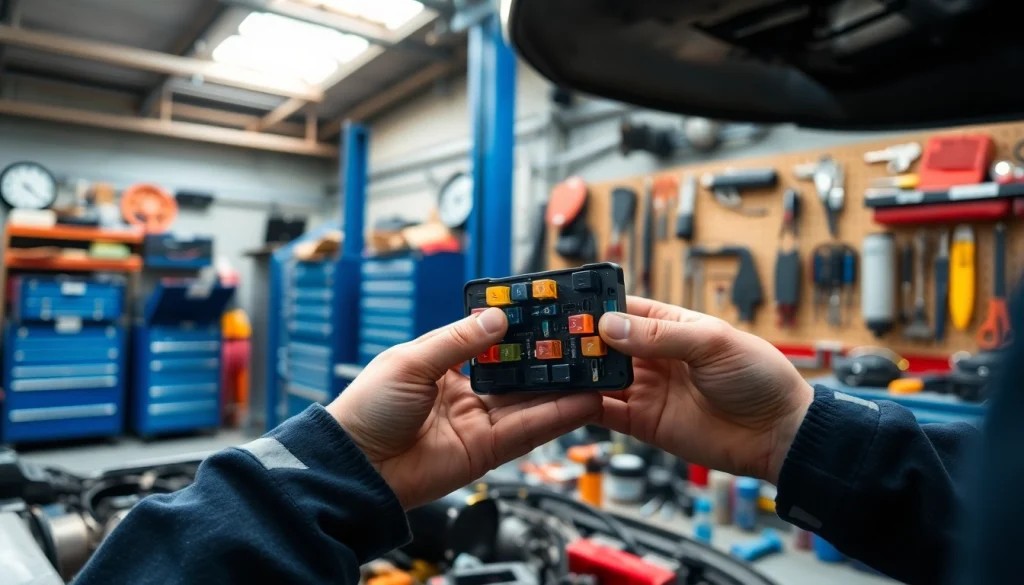
- Blade Fuses: These are the most widespread fuses in modern automobiles. They come in different amperage ratings and are easily identifiable with their plastic housings and metal prongs.
- Glass Tube Fuses: Older vehicles often use these fuses. They are cylindrical, encased in glass, and are available in various amperage ratings.
- Mini Fuses: Similar to blade fuses but smaller in size, mini fuses are becoming more common in compact vehicles.
- Maxi Fuses: These fuses handle higher amperages and are typically used for larger circuits such as those powering the engine or accessory systems.
Why Fuses are Important
Fuses serve several critical functions in vehicles:
- Protection: Fuses protect circuits from overcurrent situations, preventing potential fires and electrical component failure.
- Safety: By interrupting the current flow, fuses enhance the safety of both the vehicle and its occupants.
- Ease of Replacement: Fuses can be easily replaced, making them a convenient solution for electrical issues without the need for complex repairs.
Common Issues with Automotive Fuses
Signs of a Blown Fuse
Identifying a blown fuse is crucial for restoring vehicle functionality. Common signs include:
- Non-Functioning Components: If specific electronics stop responding, such as lights or power windows, it may indicate a blown fuse.
- Burning Smell: A burning smell or visible discoloration in the fuse box can indicate burnt fuses or electrical malfunctions.
- Frequent Blown Fuses: Repeatedly blown fuses often signal underlying electrical issues that need to be addressed.
How to Diagnose Fuse Problems
Diagnosing fuse problems can be straightforward if you follow a systematic approach:
- Check the Fuses: Start by visually inspecting the fuses in the fuse box. A blown fuse will typically have a broken filament or a darkened element inside.
- Use a Multimeter: For a more accurate diagnosis, use a multimeter to test the continuity of the fuses.
- Inspect the Circuit: If fuses blow consistently, further investigate the circuit for shorts or overloads that could be causing the issue.
Understanding Fuse Ratings
Fuse ratings indicate the maximum current the fuse can handle before it blows. Common ratings include:
- 5A, 10A, 15A, and so on up to 40A for standard automotive applications.
It’s crucial to replace a blown fuse with one of the same amperage to prevent further issues.
Replacing Automotive Fuses
Step-by-Step Guide to Fuse Replacement
Replacing a blown fuse is a simple process that can be done in a few steps:
- Locate the Fuse Box: Identify the fuse box in your vehicle, typically found in the engine compartment or under the dashboard.
- Identify the Blown Fuse: Use the fuse diagram found in the owner’s manual or on the fuse box cover to identify which fuse corresponds to the malfunctioning component.
- Remove the Old Fuse: Use tweezer-like fuse pullers if available, or carefully pull the fuse out with your fingers, ensuring not to damage the fuse box.
- Install the New Fuse: Push a new fuse of the same amperage into the appropriate slot in the fuse box.
- Test the Circuit: Turn on the vehicle and check the component to ensure functionality has been restored.
Tools Needed for Replacement
To replace an automotive fuse, you will need:
- Fuse Puller: Tools specifically designed for safe fuse removal.
- Replacement Fuses: Keep a range of replacement fuses on hand for convenience.
- Owner’s Manual: Reference for specific fuse diagrams and locations.
Safety Precautions
Before replacing fuses, take some safety precautions:
- Always disconnect the battery if performing any electrical work.
- Ensure that the vehicle is off before inspecting the fuses.
Advanced Fuse Concepts
Fuse Box Layouts and Schematics
Every vehicle comes with a unique fuse box layout that dictates where each fuse is located and what it controls. Understanding the layout is beneficial for troubleshooting issues efficiently. Many online resources and repair manuals provide detailed schematics for various vehicle models, available on platforms such as https://bezpieczniki24.pl.
Upgrading Fuse Capacity
Sometimes, vehicle owners may consider upgrading fuse capacity to handle aftermarket electrical components. It’s essential to ensure that the wiring can handle the increased current flow before making such adjustments, as incorrect upgrades could lead to overheating and fires.
Common Misconceptions about Fuses
Many misconceptions surround automotive fuses, such as:
- All Fuses are the Same: Fuses come in different types, sizes, and ratings, and using the wrong type can lead to electrical failures.
- Fuses Last Forever: While fuses are generally reliable, they do wear out and can blow under consistent overloads.
Resources for Fuse Information
Finding Fuse Schematics Online
Fuse schematics are crucial for understanding the specific functions of various fuses within a vehicle. Websites, forums, and manufacturers often provide downloadable fuse diagrams, which can be incredibly useful for diagnosing and repairing electrical issues.
Using https://bezpieczniki24.pl for Reference
The website https://bezpieczniki24.pl is an excellent resource for detailed fuse information, including schematics, troubleshooting tips, and guides specific to various vehicle models. The information can empower vehicle owners to perform DIY repairs confidently.
Community Forums and Support
Online communities and forums can be invaluable for those seeking advice on automotive issues. Members often share their experiences and solutions to problems, providing a wealth of knowledge that can help in understanding complex fuse-related dilemmas.