

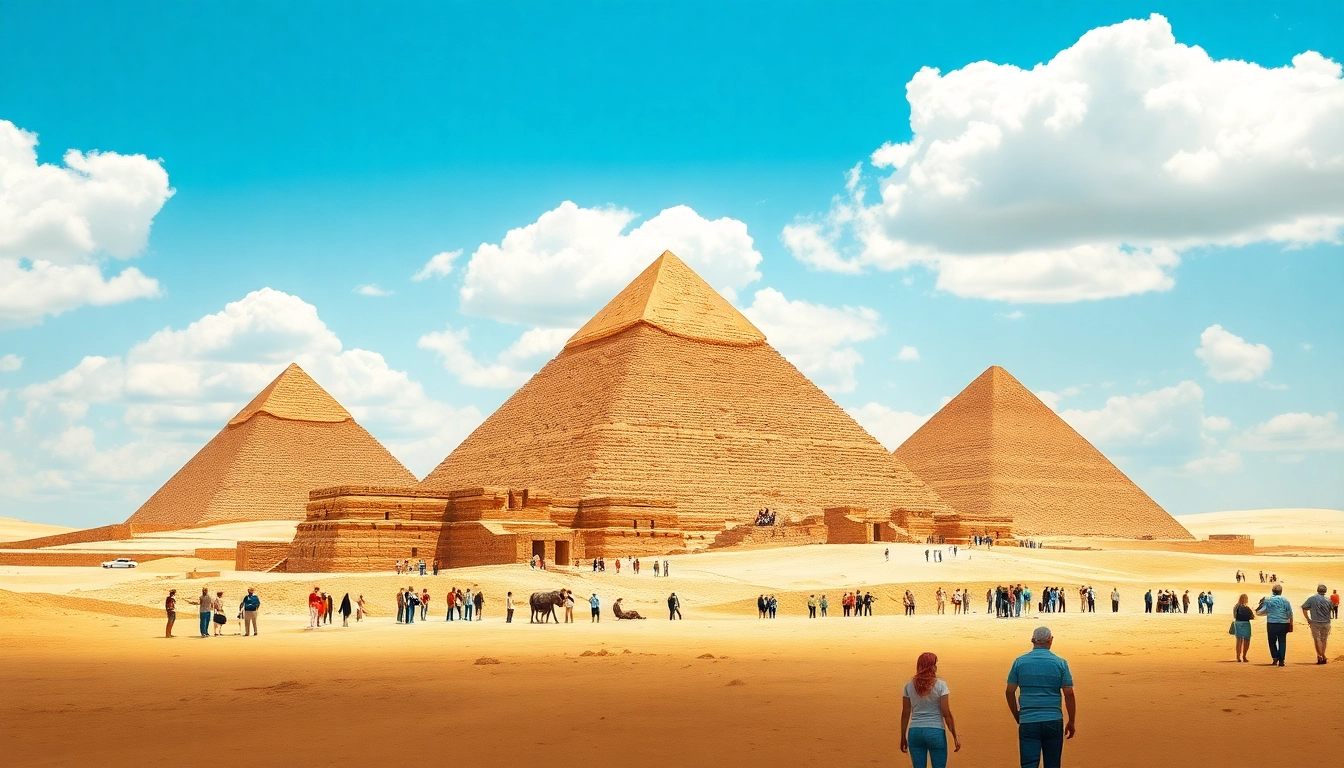
Understanding Egypt’s Historical Significance
Egypt holds a prominent place in the annals of human civilization, frequently referred to as the cradle of civilization due to its monumental contributions across various fields such as art, politics, science, and culture. The history of this ancient land is not merely a narrative of kings and monuments; it encompasses the evolution of society and the development of human thought. For those eager to delve deeper into this captivating topic, more information can be found at https://emegypt.net.
The Birth of Civilization in Egypt
Around 3100 BCE, Egypt transitioned from a collection of smaller communities along the Nile into a unified kingdom under Pharaoh Narmer. This revolution in governance brought about unprecedented advances in civilization. Notably, it resulted in the establishment of one of the world’s first writing systems, hieroglyphics, an intricate combination of ideograms and phonetic scripts that facilitated record-keeping, storytelling, and administration.
The unique geographical setting of Egypt—bordered by deserts, with the life-giving Nile as its artery—fostered agricultural development, leading to surplus food production. This kind of socio-economic stability allowed for complex societal structures to emerge where labor specializations flourished. Artisans, priests, farmers, and traders laid the foundations of what would become known as the Ancient Egyptian civilization.
Key Events Shaping the Egyptian Empire
The history of Egypt is marked by remarkable dynasties and crucial events influencing not only the local landscape but also the world stage. Major eras include:
– The Old Kingdom (2686–2181 BCE): Characterized by the construction of the Pyramids, this era saw Pharaohs emerging as divine rulers. The Great Pyramid of Giza remains a testament to their architectural ingenuity.
– The Middle Kingdom (2055–1650 BCE): Known as the “Golden Age” for literature and arts, it was also the time when Egypt expanded trade networks and military conquests.
– The New Kingdom (1550–1069 BCE): Arguably Egypt’s most powerful period. Pharaoh Hatshepsut, one of the few female rulers, and Ramses II, famed for extensive building projects and the Battle of Kadesh, highlighted a time of grandiosity.
These pivotal historical phases are not merely dates; they resonate with explorations of human ambition, creativity, and the search for knowledge.
Influences of Ancient Egypt on Modern Society
The legacy of Ancient Egypt continues to shape various aspects of modern society. Their contributions to governance, law, mathematics, medicine, and architecture are evident even today. The concept of a centralized government, legal systems, and public health initiatives can trace their roots to practices established by the Pharaohs.
Art and architecture—a distinctive feature of Egyptian culture—continues to inspire contemporary artists and architects. The iconic pyramids and temples are mimicked worldwide, evidencing the timeless beauty of their design. Additionally, many terms and symbols in modern language, such as ‘pharaoh’ and ‘sphinx,’ originated from this ancient civilization, showcasing its enduring cultural footprint.
Exploring Egypt’s Geographical Wonders
Egypt’s diverse geography engenders a rich tapestry of environments, from the sweeping sands of the Sahara to the fertile banks of the Nile. Understanding these geographical nuances is vital to appreciate the life and culture that emerged here.
Regions of Egypt: From Deserts to Nile
Egypt is fundamentally divided into several distinctive regions, each contributing uniquely to the nation’s character:
– The Nile Valley and Delta: This narrow strip of land along the Nile supports the majority of Egypt’s population and agriculture. The Nile serves as both a sustenance source and a transportation route, connecting disparate regions and enabling trade.
– The Western Desert: A vast expanse characterized by dunes, oases, and ancient remains of civilization, it showcases how life has adapted to arid environments.
– The Eastern Desert and Sinai Peninsula: Known for its mineral wealth and strategic importance, this area connects Egypt to the rest of the Middle East.
These regions are more than just geographic markers; they shape the lifestyles, traditions, and customs of Egyptian society.
Significant Natural Landmarks in Egypt
Egypt boasts a myriad of natural wonders, enriching its heritage and allure:
– The Nile River: Known as the lifeblood of Egypt, the Nile has shaped the agricultural landscape and is preserved in numerous myths and legends, establishing its cultural significance.
– Mount Sinai: Revered in religious traditions, it is believed to be the location where Moses received the Ten Commandments, making it a place of pilgrimage and spiritual importance.
– The Red Sea: Famous for its breathtaking coral reefs and diverse marine life, it is a major tourist attraction that draws visitors interested in diving and marine exploration.
These landmarks are not only significant for their beauty but also for their historical relevance, tethering modern visitors to Egypt’s rich past.
The Impact of Geography on Egyptian Culture
Egypt’s geographic landscape has profoundly influenced its culture. The Nile’s annual flooding provided predictable agricultural cycles, forming the bedrock of Egyptian society. This stability allowed people to build monumental structures and engage deeply in artistic and intellectual pursuits.
The deserts, on the other hand, fostered a sense of isolation, preserving Egyptian traditions and beliefs over millennia. Many ancient practices have endured due to this geographical shield from outside influences, allowing a unique culture to flourish. Additionally, the harsh climate adapted Egyptians to be resourceful and resilient, traits that are notable in their historical narratives and modern identity.
Cultural Practices and Traditions in Egypt
The rich tapestry of Egyptian culture is woven from its ancient heritage and modern influences. Various customs, traditions, and practices reflect the unique identity of the Egyptian people.
Traditional Egyptian Festivals and Celebrations
Festivals are an integral aspect of Egyptian culture, celebrating both religious and seasonal events. Significant celebrations include:
– Ramadan and Eid al-Fitr: The holy month of fasting culminates in the vibrant celebration of Eid al-Fitr, marked by communal prayers, feasting, and giving to the less fortunate.
– Sham el-Nessim: Celebrated in spring, this festival signifies the arrival of the warm weather, featuring traditional foods like feseekh (fermented fish) and recreational outings.
These festivals are not merely events; they are communal expressions of culture, identity, and shared beliefs, drawing families and communities together.
Culinary Delights: Food and Drink in Egyptian Culture
Egyptian cuisine is a flavorful fusion of Mediterranean and Middle Eastern influences, characterized by the use of fresh ingredients, herbs, and spices. Key staples include:
– Ful Medames: A staple dish made from fava beans, often enjoyed for breakfast.
– Koshari: A hearty blend of rice, lentils, and pasta topped with a tomato sauce, showcasing the history of Egyptian street food.
– Baklava: A sweet pastry that reflects historical trade contacts with the Ottoman Empire.
These dishes tell stories of Egypt’s agricultural traditions and its historical interactions with neighboring cultures.
The Role of Music and Dance in Egyptian Society
Music and dance are quintessential elements of Egyptian tradition, serving as forms of expression and storytelling. Folk music, often accompanied by traditional instruments such as the oud and darbuka, plays a key role in celebratory events and festivals.
Dance forms like Baladi and Belly Dance are not only entertainment but also a means of cultural expression, with rhythms that connect people to their heritage.
Traditional narratives told through song and movement highlight everyday life, love, and struggles, preserving collective memories and experiences.
Traveling Through Egypt: Essential Information
For those planning to traverse this historic land, understanding practical aspects of travel will enhance the experience. Egypt is a country rich in wonders, but like any destination, preparation is key.
Best Times to Visit Egypt for Tourists
Egypt enjoys a warm climate year-round, but the optimal time to visit is during the winter months, from October to March. This period is characterized by milder temperatures, making it ideal for outdoor exploration of ancient sites.
Summer, while less crowded, can be exceedingly hot, especially in southern regions like Luxor and Aswan. Tourists are advised to stay hydrated, wear sun protection, and plan indoor activities during the peak hours of heat.
Travel Tips: Safety and Advisories for Visitors
Traveling anywhere, including Egypt, necessitates a keen awareness of local customs and safety guidelines.
– Dress Modestly: Egypt is a predominantly Muslim country, so it’s advisable to respect local dress codes, especially at religious sites.
– Stay Informed: Regularly check travel advisories for updates on local conditions.
– Use Licensed Guides: Being informed about history and security from licensed guides will enhance your understanding and experience.
These tips not only enhance personal safety but also enrich cultural engagement.
Must-See Attractions and Experiences in Egypt
Egypt is awash with iconic sights and experiences that captivate millions of visitors annually. Key attractions include:
– The Pyramids of Giza: One of the Seven Wonders of the Ancient World, these monumental structures are a must-visit, offering insights into ancient engineering and religious beliefs.
– The Egyptian Museum: Located in Cairo, it houses an extensive collection of artifacts from Ancient Egypt, providing a rich context to the historical narratives.
– Aswan and Luxor: These cities are treasure troves of temples, tombs, and stunning landscapes along the Nile, each narrating tales of pharaohs and gods.
Each attraction serves not only as a sight to see but also as a window into the past and a reflection of Egypt’s enduring legacy.
Current Events and Developments in Egypt
Understanding contemporary Egypt requires a grasp of its current socio-political and economic landscapes, as they influence both the nation’s trajectory and its cultural dynamics.
Political Landscape and Governance in Modern Egypt
Over the past decade, Egypt has witnessed dramatic shifts in its political landscape, which have implications for governance and civil liberties. After the revolution in 2011, Egypt experienced a period of intense political mobilization, leading to the rise of various political entities. President Abdel Fattah el-Sisi’s governance has been marked by efforts to stabilize the country, though these efforts have raised questions about human rights practices and freedoms.
The political situation remains dynamic, with ongoing dialogues regarding governance structures, civil society participation, and media freedoms, all significant topics for understanding contemporary Egypt.
Economic Growth and Future Projections for Egypt
Egypt’s economy has experienced both challenges and opportunities in recent years. With significant investments in infrastructure, energy, and tourism, the nation is poised for growth. The government’s focus on diversifying the economy—especially through a burgeoning tech scene—highlights its ambitions to foster a modern economic landscape.
While challenges such as inflation and unemployment persist, initiatives aimed at sustainable development present a pathway toward a resilient economy, indicative of its evolving economic identity.
Social Movements and Cultural Shifts in Contemporary Egypt
Modern Egypt is a melting pot of cultural and social movements that reflect the aspirations and complexities of its people. Many young Egyptians are increasingly vocal about issues ranging from women’s rights to economic opportunities and environmental concerns.
Art, literature, and social media act as platforms for expression and activism, demonstrating the dynamism of Egyptian society as it navigates the interplay between tradition and modernity.