Understanding the Appeal of Custom Dining Tables
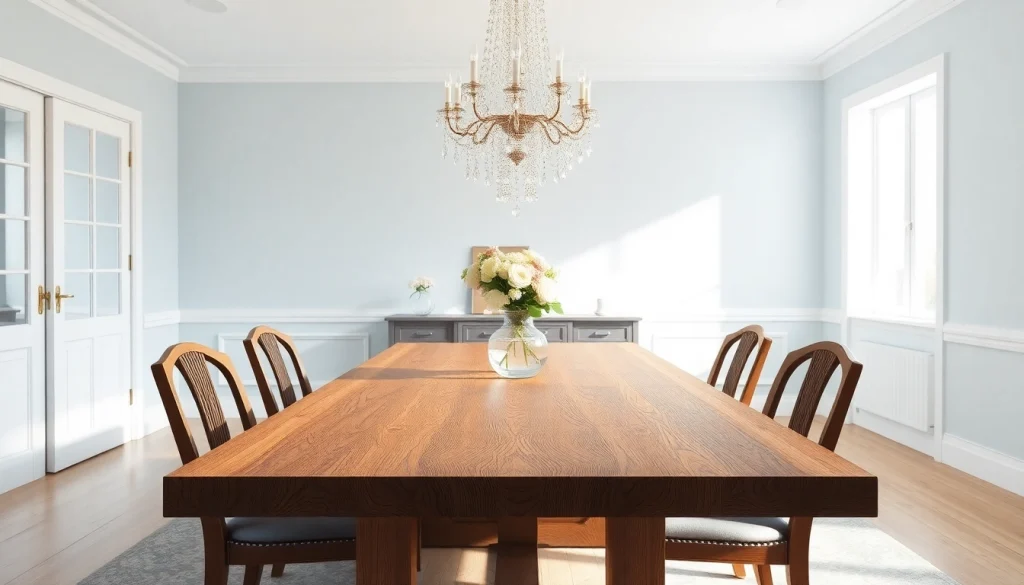
A Custom dining table serves as the centerpiece of one’s dining experience, creating not only a space for meals but a gathering point for family and friends. The appeal of these tables lies in their ability to reflect individual tastes and styles while being functional. Let’s explore why custom dining tables are gaining such popularity and what benefits they bring to homeowners.
The Benefits of Customization
Customization allows for personal expression. When selecting a custom dining table, you decide on every detail: the type of wood, size, shape, finish, and style. This level of personalization ensures that your dining table aligns perfectly with your home’s aesthetic and your lifestyle needs.
Furthermore, custom dining tables are often made from higher-quality materials compared to mass-produced alternatives. This typically translates to greater durability and longevity. Homeowners can choose sustainably sourced, solid wood options that not only look beautiful but also contribute positively to the environment.
Styles and Designs to Consider
The world of custom dining tables is rich with a variety of styles and designs to choose from. Here are some popular options:
- Modern: Characterized by clean lines and minimalist aesthetics, modern tables can complement contemporary home designs.
- Rustic: Ideal for country-style homes, rustic tables often feature visible wood grain and a natural finish, celebrating the beauty of imperfections.
- Industrial: Combining wood with metal accents, industrial tables reflect a trendy, urban vibe.
- Traditional: These tables often feature ornate details and classic designs, perfect for those looking to evoke an air of elegance.
- Farmhouse: Often characterized by a sturdy build and a distressed finish, farmhouse tables evoke a cozy, homely feel.
Choosing the Right Materials
The choice of materials significantly affects both the aesthetics and durability of a custom dining table. Common materials include:
- Hardwoods: Oak, maple, cherry, and walnut are popular choices for their strength and beauty.
- Softwoods: Pine and fir can offer a lighter, rustic feel and are often more budget-friendly.
- Metal: Used for legs or accents, metal can add a modern touch or an industrial feel.
- Glass: When combined with wood or metal, glass can create a stunning focal point that enhances a space’s openness.
Design Process of a Custom Dining Table
The design process of creating a custom dining table could be divided into structured steps, ensuring that the final product is not only exquisite but also perfectly tailored to the buyer’s needs.
Initial Consultation and Planning
The journey begins with an initial consultation, where ideas are exchanged, and the homeowner’s visions are captured. This step is crucial as it lays the groundwork for the project. Questions to consider include:
- What size will best fit the dining area?
- What style resonates more with my decor?
- What specific features do I want (e.g., extendable widths, built-in storage)?
Sketching and Design Approval
Once the requirements are clear, the designer will create sketches or digital renderings of the proposed table. This visualization allows the homeowner to see how their ideas come together and adjust any elements that may not align with their vision. Collaboration during this phase is essential. Feedback should be candid to ensure satisfaction before moving to the production stages.
Production Steps Explained
Following design approval, the production phase begins. This usually involves the following steps:
- Material Selection: Choosing the perfect piece of wood or other materials according to the design.
- Cutting and Shaping: The materials are then cut to size and shaped into the desired design.
- Sanding: This step smooths the surfaces, ensuring the table feels pleasant to touch and avoids splinters.
- Finishing: The table is then finished with stains, lacquers, or sealants to protect the surface and enhance its appearance. This is where the color and sheen are given life.
- Assembly: In the final stage, the various components are put together to complete the table.
Factors Influencing Custom Dining Table Pricing
The price of a custom dining table can vary widely based on numerous factors that prospective buyers should consider.
Material Quality Impact on Cost
The type of materials selected will heavily influence the overall cost. Hardwoods typically command a higher price point than softwoods. Exotic or sustainably sourced woods may also increase costs due to their rarity or treatment processes.
Size and Complexity of Design
Generally, larger tables will cost more due to the extra materials and labor involved. Additionally, intricate designs with custom features such as inlays or specialized finishes also add to the cost. Buyers should balance the size and complexity according to their budget while ensuring it meets their needs.
Market Trends and Pricing Fluctuations
Like any other market, fluctuations in the woodworking industry can affect pricing. Trends toward sustainable materials and craftsmanship might command higher prices as skilled artisans become increasingly sought after. Keeping an eye on industry trends can help buyers make informed decisions.
Maintaining Your Custom Dining Table
Once you have invested in a custom dining table, maintaining it properly can ensure durability and beauty for years to come. Proper care not only preserves its appearance but also extends the life of the table.
Cleaning and Care Guidelines
Regular cleaning is essential. Here are some practical cleaning tips:
- Use a soft cloth to wipe down the surface regularly to remove dust and debris.
- Avoid harsh chemicals or abrasive cleaners that could damage the finish.
- For spills, it’s best to clean them immediately with a slightly damp cloth and dry thoroughly.
Protective Measures for Longevity
To maintain the integrity of your dining table:
- Use coasters and placemats to protect the surface from heat, moisture, and scratches.
- Keep the table out of direct sunlight to avoid fading and cracking.
- Consider applying a fresh coat of protective finish every few years, depending on wear and tear.
Seasonal Maintenance Tips
During seasonal changes, the table may require special attention:
- In the dry winter months, humidity levels drop, which can lead to wood cracking; using a humidifier can help.
- In humidity, consider using silica gel to minimize moisture retention in the wood.
Real-Life Inspirations and Custom Dining Table Examples
Seeing how others have effectively utilized custom dining tables can provide valuable insights and inspiration.
Case Studies of Successful Projects
Consider a family that decided to invest in a custom table tailored to accommodate their growing number of relatives. They chose a large farmhouse table made from reclaimed wood, complete with a protective finish to sustain family dinners and activities over the years. Another example could be a city dweller opting for a sleek, modern design with glass and steel accents that fits perfectly in a compact space while still providing a stylish statement.
Customer Testimonials and Feedback
Satisfaction often stems from craftsmanship. Customers frequently express joy in how their custom dining table becomes a point of pride in their homes. Testimonials highlight not only the aesthetic appeal of the tables but also the warmth and connection experienced during shared meals.
Trends in Custom Dining Table Design
Emerging trends in custom dining tables include collaborative designs where families can contribute ideas, creating truly unique pieces. Eco-friendly materials and sustainable practices are also on the rise as consumers become more environmentally conscious. Additionally, there is a growing preference for multi-functional tables that can cater to both dining and workspace needs in modern homes.