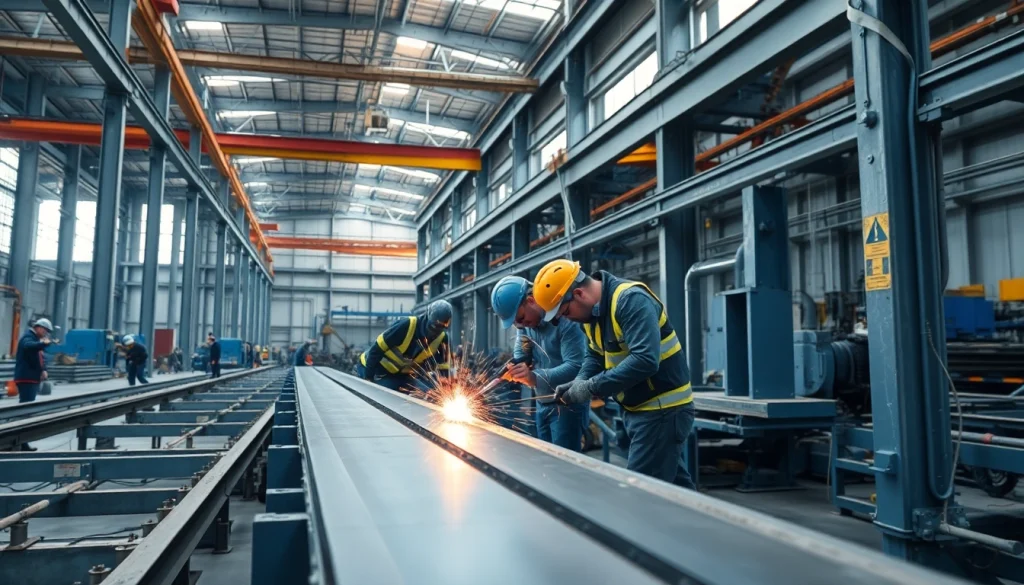
The Fundamentals of Structural Steel Fabrication
Definition and Importance of Structural Steel Fabrication
Structural steel fabrication is a crucial process in the construction industry, where raw steel is transformed into components that meet precise specifications for various building projects. This intricate process involves cutting, bending, and assembling steel to create the framework of structures such as bridges, buildings, and other infrastructures. Given the increasing demand for durable and resilient construction materials, understanding structural steel fabrication becomes essential for engineers, architects, and builders alike. The significant role that structural steel fabrication plays is underscored by its contribution to structural integrity and sustainability in modern architecture.
Components of the Steel Fabrication Process
The steel fabrication process can be divided into several key components that ensure the efficient transformation from raw materials to finished products:
- Material Procurement: High-quality raw steel is sourced based on the project requirements, including type, grade, and specifications.
- Cutting: Steel is cut to required dimensions using various techniques, such as saw cutting, plasma cutting, or laser cutting.
- Bending: After cutting, the steel is bent into the desired shapes using press brakes or plate rollers.
- Welding and Assembly: Components are joined together using various welding techniques, followed by assembly into larger units.
- Finishing: The final stage involves surface preparation, painting, and coatings to protect against corrosion and enhance aesthetic appeal.
Common Applications in Construction
Structural steel fabrication is employed in numerous applications within the construction sector, including:
- Commercial Buildings: Steel frames provide the backbone for skyscrapers, shopping centers, and office buildings.
- Residential Structures: Houses, especially those requiring large open spaces, frequently utilize steel framing for strength and efficiency.
- Bridges: The durability and load-bearing capacity of structural steel make it an ideal choice for bridges spanning long distances.
- Industrial Facilities: Factories and warehouses often rely on steel frameworks to support large machinery and high ceilings.
- Infrastructure Projects: Adding structural steel to roads, tunnels, and railway systems enhances safety and longevity.
Techniques Used in Structural Steel Fabrication
Cutting Methods and Technologies
Effective cutting methods are vital in the fabrication process as accuracy ensures that the pieces fit together precisely during assembly. Various cutting technologies are utilized:
- Shearing: This mechanical process cuts the steel sheets into manageable sizes without affecting material integrity.
- Plasma Cutting: This method uses high-velocity plasma to cut through steel quickly, providing smooth edges that often require minimal finishing.
- Laser Cutting: Highly accurate and capable of complex designs, laser cutting is becoming increasingly popular for intricate metal components.
- Waterjet Cutting: This method utilizes a high-pressure water stream mixed with abrasives, suitable for thicker materials with delicate edges.
Welding Types and Their Applications
Welding is a core aspect of structural steel fabrication, and various welding techniques are used depending on the specific requirements of the project:
- MIG Welding: Metal Inert Gas welding is frequently used for its speed and ease, suitable for thin and medium-gauge steel.
- TIG Welding: Tungsten Inert Gas welding is known for producing high-quality welds, often utilized for projects requiring precise aesthetics.
- Stick Welding: This versatile method is favoured for outdoor applications and thicker materials, ensuring robust joints.
- Submerged Arc Welding: Effective for thick sections, this process allows high-quality welds in a single pass, ideal for heavy structural components.
Finishing Processes for Structural Steel
The finishing process protects steel from corrosion and prepares it for aesthetic appeal. Common finishing techniques include:
- Sandblasting: This technique removes rust and surface contaminants, preparing the steel for coating.
- Painting: Specialized paint systems offer protection against environmental factors, enhancing durability and visual appeal.
- Galvanization: This process involves coating steel with zinc to prevent corrosion, making it ideal for outdoor applications.
- Powder Coating: This finishing technique provides an even, durable finish that resists scratching and fading.
Design Considerations for Structural Steel Fabrication
Material Selection and Specifications
Choosing the right materials is crucial in structural steel fabrication, as they determine the durability, strength, and cost of a project. Several factors influence material selection:
- Grade of Steel: Various grades possess different tensile strengths, affecting the load-bearing capacity. Structural steel is commonly available in ASTM A36, A992, and A572 grades.
- Thickness: The thickness of steel affects its strength and overall weight; this must align with project specifications and structural requirements.
- Shape and Size: Common shapes like I-beams, channels, and angles must be selected based on the specific load and architectural designs.
Load-Bearing Requirements in Structural Design
Understanding load-bearing requirements is key to ensuring the safety and reliability of structures. Engineers conduct extensive analyses to evaluate:
- Dead Loads: The weight of the building materials themselves.
- Live Loads: Temporary loads from occupants and furniture.
- Environmental Loads: Forces from natural elements such as wind, snow, and seismic activities.
Compliance with Building Codes and Standards
Adhering to building codes and standards is paramount in structural steel fabrication to ensure public safety and compliance. Critical aspects include:
- International Building Code (IBC): Establishes safety guidelines for the design and construction of buildings, including structural steel fabrication.
- American Institute of Steel Construction (AISC): Provides specifications for structural steel design, manufacturing, and quality assurance.
- American Welding Society (AWS): Offers criteria for welding practices, ensuring high-quality welds that maintain structural integrity.
Cost Factors in Structural Steel Fabrication
Material and Labor Cost Influences
The cost of structural steel fabrication is influenced by various factors that need careful consideration during project budgeting:
- Material Prices: Fluctuating market prices for steel can significantly impact overall project costs. Global demand, trade tariffs, and supply chain disruptions are vital considerations.
- Labor Costs: Skilled labor is essential for quality fabrication; costs related to skilled labor availability and wage rates need assessment.
- Overhead Costs: Indirect costs such as utilities, facility maintenance, and administrative expenses play a role in overall costs.
Estimating Project Budgets
Accurate project budgeting is essential for successful construction management. Key steps in estimating project budgets include:
- Detailed Material Takeoff: Assessing all materials required for the project helps produce an accurate cost estimate.
- Vendor Quotes: Obtaining and comparing quotes from multiple suppliers ensures competitive pricing for materials.
- Labor Estimates: Assessing the labor force needed and estimating hours based on fabrication processes are crucial for project timelines and budget accuracy.
Cost-Saving Strategies for Projects
Implementing cost-saving measures without compromising quality is a goal for every construction project. Effective strategies include:
- Design Optimization: Simplifying designs can reduce material waste and fabrication time, therefore saving costs.
- Effective Supply Chain Management: Building strong relationships with suppliers can provide opportunities for bulk discounts and better terms.
- Pre-Fabrication Techniques: Prefabrication of components off-site can lead to time savings and lower labor costs during the construction phase.
The Future of Structural Steel Fabrication
Innovations in Technology for Steel Fabrication
The structural steel fabrication industry is experiencing a technological revolution that enhances productivity and quality. Notable advancements include:
- 3D Printing: Emerging technologies in additive manufacturing are allowing for the creation of complex steel structures and components.
- Robotics and Automation: Automated cutting and assembling processes are increasing efficiency and reducing the likelihood of human error.
- BIM (Building Information Modeling): Advanced modeling techniques improve design accuracy, reduce waste, and enhance collaboration between design teams and fabricators.
Sustainability Practices in the Industry
The structural fabrication industry is increasingly focusing on sustainability to address environmental concerns. Practices contributing to sustainability include:
- Recycled Materials: Using recycled steel in fabrication reduces the environmental impact associated with new steel production.
- Energy-Efficient Processes: Implementing energy-efficient equipment and practices diminishes the carbon footprint of fabrication operations.
- Eco-Friendly Coatings: Transitioning to low-VOC (Volatile Organic Compound) paints and coatings minimizes harmful emissions during the finishing process.
Trends Impacting Structural Steel Fabrication
Several trends are shaping the future of structural steel fabrication, reflecting the industry’s adaptability to evolving market demands:
- Increased Prefabrication: Projects are shifting towards pre-manufactured sections to accelerate timelines and reduce on-site labor.
- Global Market Shifts: Analyzing global trends enables fabrication firms to anticipate changes in demand and adjust strategies accordingly.
- Focus on Technical Skills: As technology advances, the demand for skilled workers proficient in modern fabrication techniques is on the rise.