Understanding the Importance of Fly Fishing Net
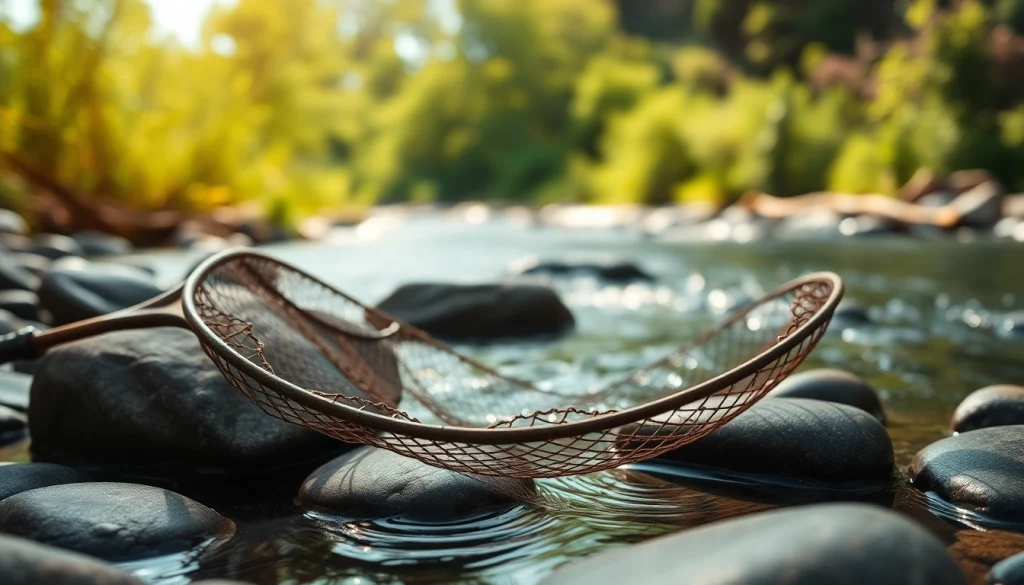
In the world of angling, particularly in fly fishing, the Fly fishing net often stands as an overlooked but essential tool. Many anglers might focus heavily on their rods, reels, and flies, dismissing the net’s crucial role. However, a well-chosen net can greatly enhance your fishing experience, ensuring the sustainability of fish populations and aiding in more successful catch-and-release practices. Understanding the multifaceted importance of a fly fishing net not only boosts individual fishing success but also contributes to conservation efforts.
The Role of a Fly Fishing Net in Conservation
A fly fishing net serves a dual purpose: it aids anglers in landing fish effectively and plays a significant role in conserving aquatic wildlife. As enthusiasts of the great outdoors, anglers have a responsibility to protect their resources. Opting for nets made from rubberized mesh materials is paramount. Traditional nets often cause harm to the fish’s delicate gills and scales, but rubber mesh minimizes injury, enhancing survival rates upon release. Additionally, using nets that allow for catch-and-release fishing promotes healthier fish populations, supporting aquatic ecosystems.
Different Types of Fly Fishing Net Materials
One cannot underestimate the importance of material in a fly fishing net. Common materials include wood, aluminum, and composite materials, each offering unique benefits:
- Wood: Aesthetically pleasing and often handcrafted, wooden nets blend beautifully into nature. They float well and provide great comfort but may require more maintenance to prevent water damage.
- Aluminum: Lightweight and durable, aluminum nets are ideal for long days on the water. They tend to be less prone to damage and corrosion but can be slippery when wet.
- Composite: Combining the best traits of wood and aluminum, composite nets usually offer excellent buoyancy and resistance to wear. However, they may be heavier than pure aluminum options.
How a Proper Fly Fishing Net Affects Catch & Release
The correct selection of a fly fishing net can dramatically enhance the catch-and-release process. Using a net that is too small or made from the wrong material can lead to fish injury or stress. A larger net, particularly one with a shallow, soft mesh, allows for easier manipulation of the fish while minimizing their chances of escape during landing. Additionally, nets with rubberized mesh reduce the chance of getting hooks caught in the netting—an issue that often leads to unnecessary harm.
Key Features to Look for in a Fly Fishing Net
Net Shape and Size: What Works Best?
Selecting the appropriate shape and size of the fly fishing net can be critical depending on the fishing conditions and species targeted. Larger nets are ideal for big game fish, as they provide adequate space for maneuvering. Conversely, smaller, compact nets are perfect for stream fishing where maneuverability is key. The round nets are favored for their ease of use, while rectangular nets might be preferred for specific river or lake conditions.
The Benefits of Rubberized Mesh in a Fly Fishing Net
Rubberized mesh nets have revolutionized the fly fishing industry. This innovative material offers numerous advantages, including:
- Fish Health: The rubber coating reduces injury degrees when fish are caught, ensuring a better survival rate.
- Less Drag: Rubber mesh nets create less drag in the water compared to traditional materials, allowing fish to be handled more smoothly.
- Tangle-Free: They are less prone to tangling, making it easier to maneuver and land fish without distress.
Handle Length: Finding the Perfect Fit
The length of the fly fishing net handle can make a noticeable difference in terms of comfort and efficiency. Shorter handles are suitable for tight spaces, such as small creeks or streams, where maneuverability is crucial. Conversely, longer handles allow anglers to reach farther into the water without compromising their stance. Finding the balance that complements your fishing style can enhance your overall experience and reduce fatigue during extended fishing sessions.
Comparing Popular Fly Fishing Net Options
Budget vs. Premium Fly Fishing Net Choices
When selecting a fly fishing net, budget constraints often play a deciding role. Budget nets can serve their purpose, but investing in a premium net often pays dividends long-term. Premium nets typically use advanced materials and construction techniques, offering enhanced durability, performance in challenging conditions, and added features such as collapsible designs for easy transport. The key is to assess your individual fishing needs versus available resources.
Best-Rated Fly Fishing Nets on the Market
The market is abundant with various fly fishing nets, with several models consistently receiving high ratings. Features to look for in these nets often include a good balance between weight and durability, ease of use, and effectiveness in specific fishing situations. One must always consider user feedback, overall design, and the scenarios where each type excels to find the net that best suits your fishing style.
User Reviews: What Anglers Are Saying
Angler testimonials can serve as invaluable resources when choosing a fly fishing net. Many users emphasize the importance of comfort during the landing process, particularly regarding grip and handle length. Reviewers often note that nets that prioritize fish welfare, such as those with rubberized mesh, tend to yield better feedback across the board. The sentiment shared among users often highlights the crucial balance between performance and functionality, ensuring angling success.
Maintenance and Care for Your Fly Fishing Net
Cleaning Your Fly Fishing Net Safely
Proper maintenance of your fly fishing net can extend its life significantly. After each fishing trip, take the time to wash your net to remove any algae, mud, or debris. A simple rinse with fresh water is often sufficient. Avoid using harsh detergents or chemicals that could damage the net’s material. Additionally, a soft brush can be useful for removing stubborn residue without damaging the mesh.
Storage Tips for Longevity
The way you store your fly fishing net can impact its longevity. Always store your net in a dry place to prevent moisture buildup, which can lead to deterioration over time. For nets with wooden handles, applying a light coat of mineral oil periodically can prevent the wood from drying out and cracking. Keeping the net away from direct sunlight will also help maintain its integrity, especially if it is constructed from synthetic materials.
Repairing Common Issues with Your Fly Fishing Net
Over time, even the most carefully maintained fly fishing nets may require minor repairs. Common issues often include tears in the mesh or damage to the handle. For mesh repairs, consider using a patch kit specifically designed for fishing nets, or if you are handy, stitching may be an option. For handle issues, reinforce the joint with epoxy or replace the handle entirely if necessary. Regular inspections can help catch these issues early before they escalate into larger problems.
Advanced Techniques with Your Fly Fishing Net
Mastering the Art of Landing Fish
Landing fish effectively is a technique that requires practice to perfect. To master this art, begin by remaining calm and assessing the fish’s behavior. Keeping a low profile and using slow, steady movements when guiding the fish into the net can make a significant difference. The angle at which you approach the fish also plays a vital role. Aim to keep the net downstream of the fish to prevent them from fleeing into the current.
Using a Fly Fishing Net in Fast Water
Fast-moving water presents unique challenges when using a fly fishing net. Positioning is crucial; always aim to keep your body anchored against the current. Using a net with a shorter handle can give you better control in tight situations. Additionally, practice using the net in flowing water conditions can improve your confidence and skill, ensuring that you are prepared for that trophy fish when it strikes.
Customizing Your Fly Fishing Net for Specific Environments
Customizing a fly fishing net to suit specific fishing environments can provide marginal gains in effectiveness. Considerations may include altering the net size based on the type of fish prevalent in the area or selecting certain colors and patterns that help the net blend into the aquatic environment. Furthermore, customizing handle lengths and materials can aid in both comfort and functionality under differing conditions, making your time on the water as enjoyable as possible.