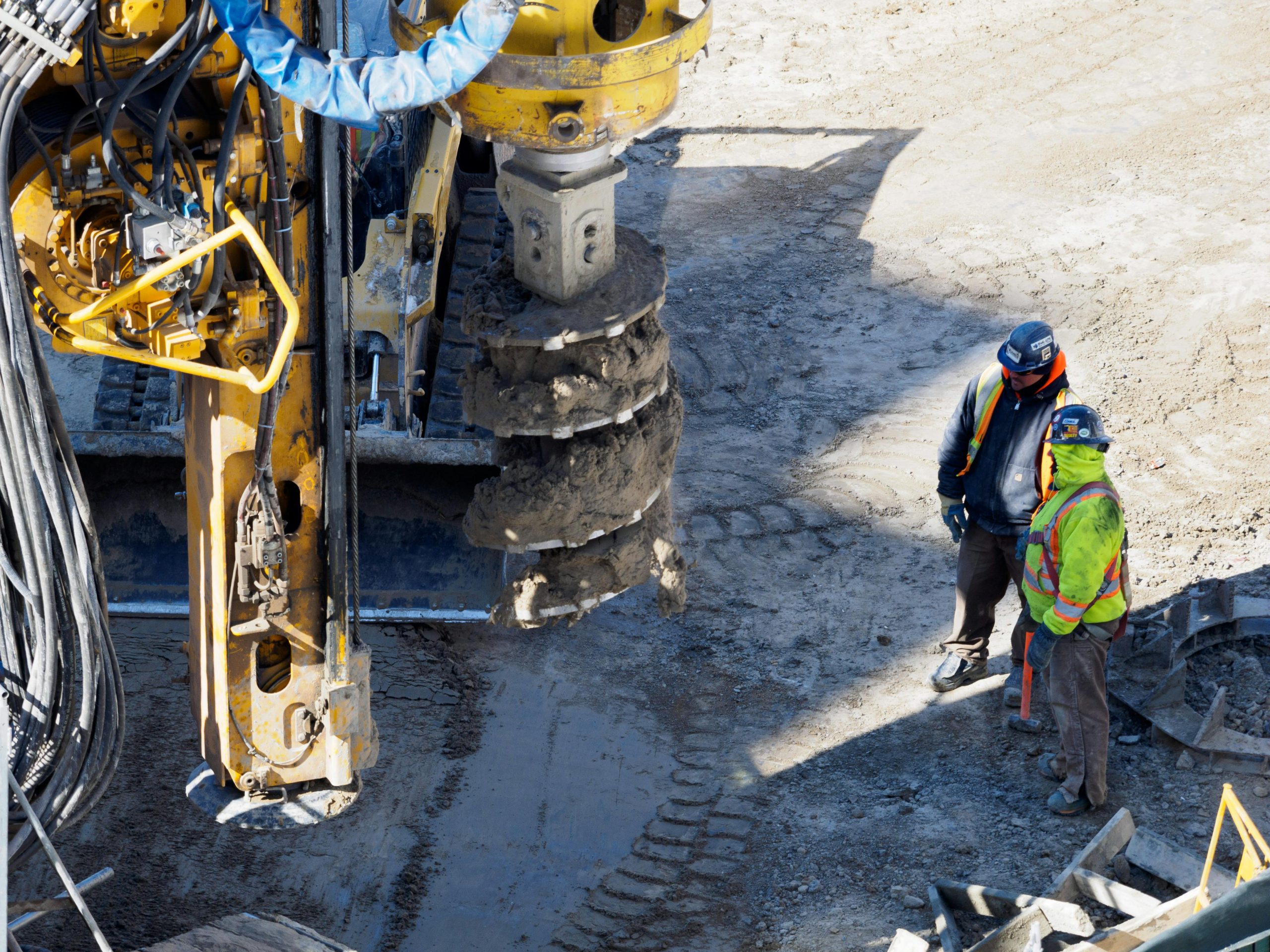
Understanding Careers in Construction
Overview of Industry Roles
The construction industry is a complex ecosystem that encompasses a broad range of roles and responsibilities. From project inception to completion, various professionals contribute to the successful execution of a construction project. Roles in this field can be categorized into three primary groups: laborers, skilled tradespeople, and project management professionals.
Laborers are often the backbone of construction, performing physical tasks that require minimal formal training but high physical endurance. Skilled tradespeople, such as electricians, plumbers, and carpenters, typically undergo specialized training and apprenticeships to hone their craft. They apply technical knowledge and practical skills to ensure that projects meet safety and quality standards. Finally, project management professionals oversee the planning, execution, and completion of projects. Their roles involve coordinating various aspects of construction, including budgeting, scheduling, and team management.
Essential Skills for Success
Success in careers in construction demands a versatile skill set. Prospective candidates should develop strong analytical skills for problem-solving and decision-making, as challenges often arise during a project’s lifecycle. Communication skills are equally vital, as construction professionals must liaise with clients, team members, and other stakeholders effectively.
Technical skills, including proficiency in construction tools and a solid understanding of design plans, are foundational in nearly all construction roles. Additionally, organizational skills are crucial for managing multiple tasks and deadlines. Equip yourself with these skills, and you will be prepared to meet the diverse demands of positions within this dynamic field. Explore more about different roles in construction by visiting Careers in construction.
Career Pathways and Opportunities
Career pathways in construction are as varied as the projects themselves. Many individuals begin their journey as laborers or apprentices before gradually moving into skilled trades or supervisory positions. Advancement within trades is often linked to gaining certifications and credentials, allowing for specialization in areas like welding, electrical systems, or HVAC (heating, ventilation, and air conditioning).
Project management is another viable pathway, where experience and additional education—such as obtaining a degree in construction management or a related field—can lead to higher-level positions. The industry’s growth from steady infrastructure development gives rise to an ever-expanding pool of opportunities across regions, with roles available in residential, commercial, and industrial construction sectors.
Education and Training for Careers in Construction
Degree Programs and Certifications
Formal education in construction-related fields can enhance your qualifications significantly. Numerous universities and colleges offer degree programs in construction management, civil engineering, and architectural technology. These programs provide a solid foundation in the principles of construction, project management, and building codes.
Aside from degree programs, certifications can bolster your credentials. For instance, acquiring certifications from recognized bodies such as the Project Management Institute (PMI) or the National Center for Construction Education and Research (NCCER) validates your skills and knowledge, making you more marketable in a competitive job landscape.
Vocational Training and Apprenticeships
Vocational training and apprenticeships offer practical, hands-on experience that is invaluable in the construction field. Many trades provide registered apprenticeship programs that combine on-the-job training with classroom education. These programs can last several years and lead to state licensure in various trades.
Vocational schools also focus on teaching specific skills that prepare students for the workforce. Courses may include blueprint reading, safety protocols, and specialized skills relevant to particular trades, such as masonry or plumbing. Such versatile training ensures graduates are well-equipped to enter the workforce with confidence and competence.
Online Learning Options
The Digital Age has opened up an array of online learning opportunities for aspiring construction professionals. Many institutions now offer online courses focusing on various construction sectors, enabling students to learn at their own pace and convenience. These courses may include aspects of building design, project management, and safety regulations.
Additionally, online platforms can provide continuous learning opportunities, allowing current professionals to stay updated with the latest industry trends, best practices, and technological advancements. Aspects such as green building practices, sustainable resource management, and up-to-date safety measures are crucial in today’s ever-evolving construction landscape.
Challenges in the Construction Industry
Workplace Safety and Regulations
Construction jobs are inherently risky, with safety being a top priority across all roles. Occupational hazards, including falling from heights, equipment malfunctions, and exposure to harmful materials, necessitate strict adherence to safety regulations. The Occupational Safety and Health Administration (OSHA) enforces these regulations to ensure a safe working environment.
Safety programs and training are vital for minimizing risks in the workplace. Employers are responsible for implementing comprehensive safety training that covers the proper use of personal protective equipment (PPE), safe material handling, and emergency response procedures. Moreover, a culture of safety within the workforce encourages vigilance, ultimately reducing incident rates.
Adapting to Technology Changes
The construction industry is witnessing rapid technological advancements, from Building Information Modeling (BIM) to prefabrication and virtual reality applications. These innovations can streamline processes, save time, and reduce costs; however, they also present challenges.
Workers must continually update their skills and knowledge to stay proficient and constructive amidst evolving technology. Employers need to invest in relevant training programs to upskill their workforce, ensuring employees are well-equipped to navigate and operate new tools and software successfully.
Addressing Labor Shortages
Currently, many sectors of the construction industry face significant labor shortages. The aging workforce coupled with the lack of incoming skilled labor creates an ongoing challenge for project completion and operations. Addressing this issue requires innovative strategies, such as increasing awareness about the benefits of careers in construction and engaging younger generations through outreach programs.
Incentives like competitive salaries, robust benefits, and opportunities for Skill development can attract talent to the industry. Fostering partnerships with vocational schools and offering apprenticeships also helps bridge the gap between education and practical work experience, thus ensuring a pipeline of skilled professionals into the field.
Advancing Your Career in Construction
Networking and Professional Associations
Networking plays a crucial role in advancing a career in construction. Establishing professional connections can lead to job opportunities, mentorship, and collaboration on projects. Joining professional associations related to specific trades or construction management can provide valuable resources, training, and networking events.
Participating in industry conferences, workshops, and seminars allows professionals to engage with peers and leaders in the field. Building strong relationships can lead to referrals and enable you to stay informed on industry developments, best practices, and emerging trends.
Continuing Education and Skill Development
Staying competitive in the construction field requires a commitment to lifelong learning. Continuing education opportunities, whether through formal schooling, a certification program, or on-the-job training, can enhance your skill set, ensuring you remain relevant in your profession.
Consider pursuing advanced certifications relevant to your area of expertise. For instance, transitioning from a skilled tradesperson to project manager may require additional training in project management principles, financial literacy, and leadership development. Professional growth often rests on proactive efforts to expand knowledge and capabilities.
Leadership and Management Roles
Many professionals in construction aspire to move into leadership and management roles. These positions require a balanced blend of technical knowledge and interpersonal skills to ensure team efficiency and morale. Cultivating leadership skills such as strategic planning, effective communication, and conflict resolution is essential for achieving career advancement.
Gaining experience in various project roles can lead to a holistic understanding of construction operations, equipping aspiring leaders to manage teams effectively. Furthermore, developing a strong sense of emotional intelligence allows leaders to navigate the complexities of team dynamics, enhancing collaboration and productivity.
Future Trends in Careers in Construction
Green Building and Sustainability
Sustainability has become a pivotal consideration in the construction industry. With increasing awareness of environmental impact, careers in green building are on the rise. Understanding building certification systems such as LEED (Leadership in Energy and Environmental Design) can significantly enhance marketability.
Construction professionals equipped with knowledge of sustainable practices, environmental laws, and energy-efficient technologies will be in high demand. The future of construction lies in eco-friendly practices, emphasizing the importance of reducing the carbon footprint through innovative design and sustainable resource management.
Technological Innovations
The integration of technology into construction practices is transforming the industry landscape. Innovations such as drones, robotics, and Artificial Intelligence (AI) are enhancing productivity and operation efficiency. Drones are increasingly used for site surveying and inspections, while robotics can automate tedious tasks, minimizing injury risk and labor costs.
Embracing these technologies not only increases efficiency but can also improve the quality of work. Professionals who stay ahead of technological trends will be well-positioned to make a positive impact on future construction projects and processes.
Workforce Diversity and Inclusion
Creating a diverse and inclusive workforce is becoming a priority in the construction industry. Women, minorities, and veterans are underrepresented groups in this field. Addressing this imbalance helps foster innovation, allows for varied perspectives, and improves overall team dynamics.
Efforts to make construction more appealing to diverse groups include mentorship programs, targeted recruiting efforts, and inclusive workplace practices. Companies that embrace diversity not only enhance their reputations but also improve job performance and project outcomes. The evolving landscape of the construction industry calls for a workforce that reflects the diversity of the communities it serves.