Understanding Facial Treatments
What Are Facial Treatments?
Facial treatments are specialized skin care procedures that are designed to improve the health and appearance of the face. Typically performed in a spa or clinic setting by trained professionals, these treatments utilize a variety of techniques, products, and technologies tailored to address specific skin concerns. Whether it’s rejuvenation, hydration, acne treatment, or anti-aging, facial treatments encompass a range of services aimed at enhancing the skin’s overall condition.
While at-home skincare routines can be effective, professional facial treatments provide deeper cleansing and more potent results, as they involve a multi-step procedure that goes beyond everyday skincare.
Types of Facial Treatments Available
Facial treatments vary widely based on their objectives and the technologies used. Some of the most common types include:
- Hydrating Facials: These focus on adding moisture to the skin, making them ideal for dry, dehydrated skin types.
- Exfoliating Facials: Designed to remove dead skin cells, these facials often incorporate scrubs or chemical exfoliants.
- Acne Treatments: Targeting acne-prone skin, these treatments help clear breakouts and prevent future occurrences.
- Anti-Aging Facials: Often using specialized products rich in antioxidants and peptides, these facials aim to reduce signs of aging and enhance skin elasticity.
- Brightening Facials: These treatments typically incorporate vitamin C or other luminous agents to even out skin tone and improve radiance.
- Signature Facials: Customized facials provided by specific brands, focusing on their unique products and techniques.
Benefits of Regular Facial Treatments
Regular facial treatments can significantly improve skin health and overall complexion. Some key benefits include:
- Deep Cleansing: Professional facials clean the skin more thoroughly than typical cleansing routines, removing toxins and impurities.
- Improved Skin Texture: Many treatments target uneven texture by sloughing off dead skin and promoting cellular turnover.
- Hydration and Nourishment: Many facials use powerful serums and masks that hydrate and nourish the skin, often resulting in a dewy glow.
- Stress Relief: Beyond skin benefits, the soothing nature of facials can create a state of relaxation and well-being.
- Anti-Aging Effects: Regular treatments help to stimulate collagen production, which can visibly reduce the signs of aging over time.
Choosing the Right Facial Treatment
Assessing Your Skin Type
The first step in selecting the most suitable facial treatment is understanding your skin type. Common skin types include:
- Oily Skin: Prone to acne and shine, oily skin benefits from treatments that control sebum production.
- Dry Skin: Requires hydrating treatments that restore moisture and suppleness.
- Combination Skin: Needs a balanced approach, treating both oily and dry areas accordingly.
- Sensitive Skin: Requires gentle treatments that avoid irritating ingredients.
Consulting a professional can also help pinpoint specific issues and guide you towards the right treatment.
Consultation with a Professional
A skincare consultation is crucial before starting any facial treatment regimen. During this process, a trained esthetician will evaluate your skin’s needs through observation and often via a skin analysis. This guidance will help in personalizing the facial treatments to better suit your specific concerns, ensuring maximum effectiveness.
Popular Treatment Options at https://swicos.com.my
At https://swicos.com.my, you’ll find various options tailored to address unique skin concerns. Signature treatments may incorporate advanced techniques alongside product applications focused on plant-based extracts, which have been known to provide gentle yet effective results.
Ingredients in Facial Treatments
Natural Ingredients for Skin Health
Increasingly, facial treatments are focusing on natural ingredients, owing to their lesser likelihood of irritation and higher compatibility with various skin types. Some prominent natural ingredients include:
- Aloe Vera: Known for its soothing, hydrating properties.
- Green Tea Extract: Rich in antioxidants, helps reduce signs of aging.
- Honey: Offers antibacterial properties and moisture retention.
- Jojoba Oil: Mimics skin’s natural oils, making it suitable for all skin types.
The Role of Plant Extracts
Plant extracts play a significant role in modern cosmeceuticals. They’re often utilized for their therapeutic properties and can target specific skin issues. For example, chamomile is known for its calming effects on sensitive skin, while tea tree oil is widely recognized for its ability to combat acne. When incorporated into facial treatments, these extracts can improve skin texture, tone, and overall health.
Understanding Product Labels
When selecting products for facial treatments, understanding the product labels is essential. Keeping an eye out for the following terms can guide you on what to choose:
- Non-Comedogenic: Products labeled as such won’t clog pores, making them ideal for acne-prone skin.
- Hypoallergenic: These products are formulated to minimize the risk of allergic reactions.
- Dermatologist-Tested: Suggests a higher level of credibility and safety.
- Natural vs. Synthetic: Acknowledging the base ingredients can help tailor treatments to individual needs.
The Process of a Facial Treatment
What to Expect During Your Appointment
Your first facial treatment can be an exhilarating experience. Upon arrival, you’ll typically fill out a consultation form detailing your skin concerns and history. The esthetician will then conduct an initial assessment of your skin, discussing specific treatments recommended for your unique needs. Following this, you will be guided into a relaxation area where the treatment will take place.
Steps Involved in a Standard Facial
A standard facial treatment generally involves the following steps:
- Cleaning: The skin is cleansed to remove makeup and impurities.
- Exfoliation: A physical or chemical exfoliant helps to slough away dead skin cells.
- Extraction: If necessary, comedones (blackheads and whiteheads) may be gently extracted.
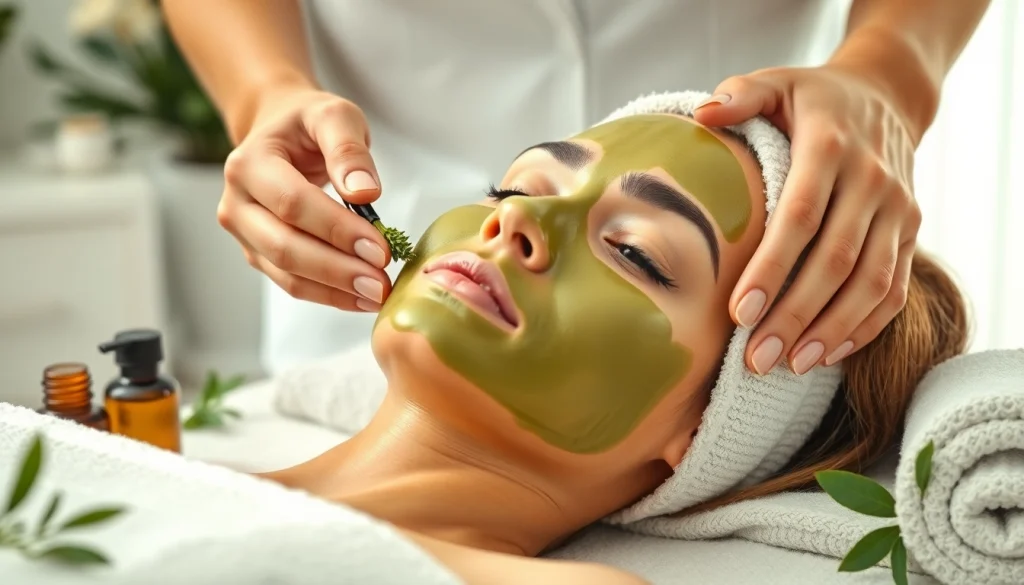
- Mask Application: A mask suited to your skin type is applied to provide nourishment or hydration.
- Moisturizing and Protection: The facial concludes with applying a moisturizer and sunscreen for protection.
Aftercare and Maintenance Tips
Post-treatment care greatly influences your skin’s recovery and effects. Recommendations often include:
- Avoid direct sunlight for 48 hours following treatment to prevent irritation.
- Use gentle cleansers and moisturizers for at least a week.
- Follow any specific instructions provided by your esthetician regarding skincare products.
- Stay hydrated and maintain a balanced diet to support skin health from the inside out.
Maximizing Your Treatment Experience
Preparing for Your Visit
To make the most of your facial treatment experience, consider preparing in advance. Arriving with clear skin, free of makeup, can streamline the procedure, allowing the esthetician to focus on treatment rather than removal. Additionally, avoiding treatments like waxing for at least 24 hours before your facial can minimize discomfort and give the best results.
Post-Treatment Care Guidelines
Post-facial care is crucial to maintaining the results achieved during the treatment. Ensure to apply sunscreen to protect your skin and follow any specific instructions given during your consultation. If any unusual reactions occur, contacting your esthetician or skincare professional is advised.
Membership Benefits at https://swicos.com.my
Joining a membership program at https://swicos.com.my can enhance your facial treatment experience. Memberships typically offer various benefits, including exclusive discounts, personalized skincare regimens, and special offers on services, making regular skincare maintenance both accessible and rewarding.