

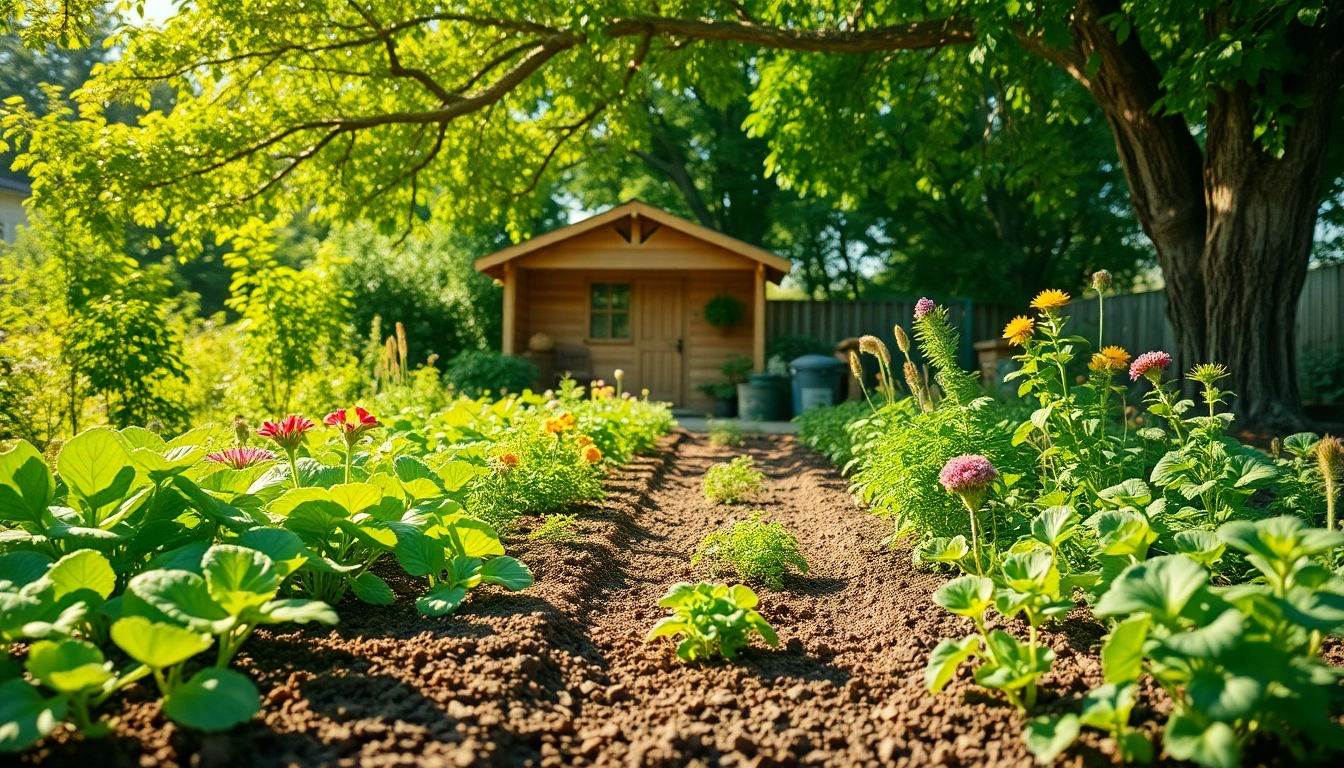
Understanding the Basics of Gardening
Gardening is a fulfilling hobby that allows people to connect with nature, produce their own food, and enhance their living spaces. The act of planting, nurturing, and growing plants is not only a pleasurable pastime but also serves numerous practical purposes. Whether you seek the calming effects of tending to a garden or the satisfaction of harvesting homegrown vegetables, understanding the basics is essential. Let’s delve deeper into what Gardening entails, its key elements, and the types of gardens you can create.
What is Gardening?
At its core, gardening involves cultivating plants for various purposes, including beauty, functionality, food production, and sustainability. The definition of gardening can vary widely: for some, it may refer exclusively to flower gardening, while others might focus on vegetable gardens. It encompasses various techniques, from traditional soil tilling to innovative hydroponic methods, allowing for many approaches to meet the needs of different gardeners.
Key Elements for Successful Gardening
Several fundamental factors contribute to successful gardening, including:
- Soil Quality: Healthy, nutrient-rich soil is the cornerstone of successful gardening. Good soil provides plants with the essential nutrients they need to grow.
- Sunlight: Most plants require at least six hours of sunlight daily. Understanding the light requirements of different plants helps in assessing the ideal placement within your garden.
- Watering: The need for water varies among plant types. Establishing a consistent watering schedule based on the plants’ needs and the local climate is crucial for thriving gardens.
- Care and Maintenance: Regular care, including pruning, weeding, and monitoring for pests, is necessary to keep your garden healthy and productive.
Types of Gardens to Consider
As you embark on your gardening journey, consider the various types of gardens you might want to create:
- Vegetable Gardens: Focused on growing edible plants, vegetable gardening provides a chance to grow fresh produce right at home.
- Flower Gardens: Primarily aimed at aesthetic appeal, flower gardens can enhance outdoor spaces and attract beneficial pollinators.
- Herb Gardens: These gardens focus on aromatic and culinary plants, perfect for enhancing home-cooked meals.
- Indoor Gardens: With the rise of urban living, indoor gardening allows people to enjoy plants regardless of available outdoor space.
Planning Your Gardening Space
Before diving into planting, proper planning is vital. This section discusses the steps to prepare your area for successful gardening.
Choosing the Right Location
Your garden’s location significantly affects its productivity. Factors you should consider include:
- Sun Exposure: Observe how the sun moves across your garden space to determine which areas receive full sun, partial shade, or full shade.
- Accessibility: Choose a location that is easy for you to access for maintenance tasks, watering, and harvesting.
- Protection from Elements: Position your garden in a way that protects it from strong winds, heavy rains, and other environmental challenges.
Soil Preparation Techniques
Getting your soil ready is essential for healthy plant growth. Here’s how to prepare your soil:
- Testing Soil pH: A soil test can determine its pH and nutrient levels, helping you amend it correctly. Most plants prefer a pH between 6.0 and 7.0.
- Adding Organic Matter: Compost, well-rotted manure, or other organic materials can improve soil fertility and structure.
- Tilling: Breaking up the soil allows better air and water penetration and encourages root growth.
Essential Gardening Tools You Need
Having the right tools makes gardening tasks easier and more efficient. Key tools include:
- Hand Trowel: A must-have for digging, transplanting, and planting seedlings.
- Pruning Shears: Essential for trimming plants and shaping the growth of flowers and shrubs.
- Gardening Gloves: Protect your hands from soil, thorns, and other potential injuries.
- Watering Can or Hose: A reliable irrigation tool to ensure your plants receive adequate water.
Plant Selection and Care
Once your gardening space is ready, the next step is selecting plants and learning how to care for them properly.
Choosing the Right Plants for Your Garden
Selecting suitable plants depends on a variety of factors, including:
- Climate: Understanding your hardiness zone helps you choose plants that will thrive in your region.
- Garden Style: Determine whether you want a formal garden, cottage garden, or a more natural, wild look.
- Maintenance Levels: Some plants require more care than others. Evaluate how much time you can dedicate to your garden.
Caring for Your Plants: Watering and Fertilizing
Proper watering and fertilizing are critical components of plant care. Here are guidelines to follow:
- Watering: Aim to water early in the morning or late in the afternoon. Deep, infrequent watering encourages strong root systems.
- Fertilizing: Use organic fertilizers to feed your plants during their active growing seasons. Follow package instructions for correct application.
Common Gardening Pests and How to Manage Them
Pests can pose significant challenges, but several strategies can help you manage them effectively:
- Identification: Know your enemy. Learn to recognize common pests and beneficial insects that can help manage them.
- Prevention: Healthy plants are less susceptible to pests. Implement preventive measures, like crop rotation and companion planting.
- Organic Pest Control: Use organic methods such as neem oil or insecticidal soap to eliminate problematic pests without harming beneficial ones.
Advanced Gardening Techniques
Once you’ve mastered the basics of gardening, you may want to explore more advanced techniques to enhance your skills and boost productivity.
Introduction to Organic Gardening Practices
Organic gardening emphasizes sustainability and the use of natural methods. Key practices include:
- No-Till Gardening: Reducing soil disturbance preserves soil structure and enhances microbial life.
- Composting: Improvements in soil fertility and health through homemade compost help reduce waste.
- Natural Pest Management: Utilize beneficial insects and companion planting strategies to control pests organically.
Companion Planting Strategies
Companion planting is the practice of growing plants that benefit each other. Effective pairings include:
- Tomatoes and Basil: Basil repels pests while enhancing tomato flavor.
- Carrots and Onions: Onions repel carrot flies, which can damage crops.
- Beans and Corn: Beans fix nitrogen in the soil, nourishing corn while providing structural support.
Using Technology in Gardening
Modern technology provides tools and apps to make gardening more efficient:
- Garden Planning Apps: Use software to design your garden layout and plan crop rotations.
- Soil Sensors: Monitor soil moisture and nutrient levels in real-time.
- Automated Irrigation Systems: Ease the watering process, ensuring plants get adequate moisture without manual effort.
Benefits of Gardening for Your Well-Being
Gardening offers numerous advantages that extend beyond the mere act of planting. Here, we explore its benefits for physical health, mental well-being, and community building.
Physical and Mental Health Benefits
Engaging regularly in gardening can positively impact physical health by:
- Promoting Exercise: Gardening involves physical activity, which can improve cardiovascular health and build strength.
- Reducing Stress: Spending time with plants and soil has a calming effect, lowering stress levels and improving mental health.
- Enhancing Nutrition: Access to fresh produce encourages healthier eating habits, beneficially affecting overall nutrition.
Gardening as a Sustainable Practice
Gardening promotes sustainability through practices like:
- Local Food Production: Growing your own food reduces reliance on store-bought produce, which often involves carbon-intensive transportation.
- Biodiversity Enhancement: Home gardens can support local ecosystems and contribute to a broader network of plants and wildlife.
- Resource Conservation: Techniques such as rainwater harvesting and composting minimize environmental impact.
Building Community Through Gardening
Gardening can foster connections among people in various ways:
- Community Gardens: These shared spaces encourage collaboration and provide access to gardening for those who may lack resources.
- Knowledge Sharing: Local gardening clubs and online communities allow individuals to share tips and experiences, enhancing knowledge and building relationships.
- Volunteering Opportunities: Many organizations are looking for volunteers to maintain gardens, offering a chance to contribute to meaningful projects.
In conclusion, whether you’re a beginner or an experienced gardener, understanding the fundamentals, planning your space effectively, selecting the right plants, and employing advanced techniques can lead to a bountiful and beautiful garden. Engagement in this rewarding activity not only provides tangible results but also cultivates personal growth and community connections.