

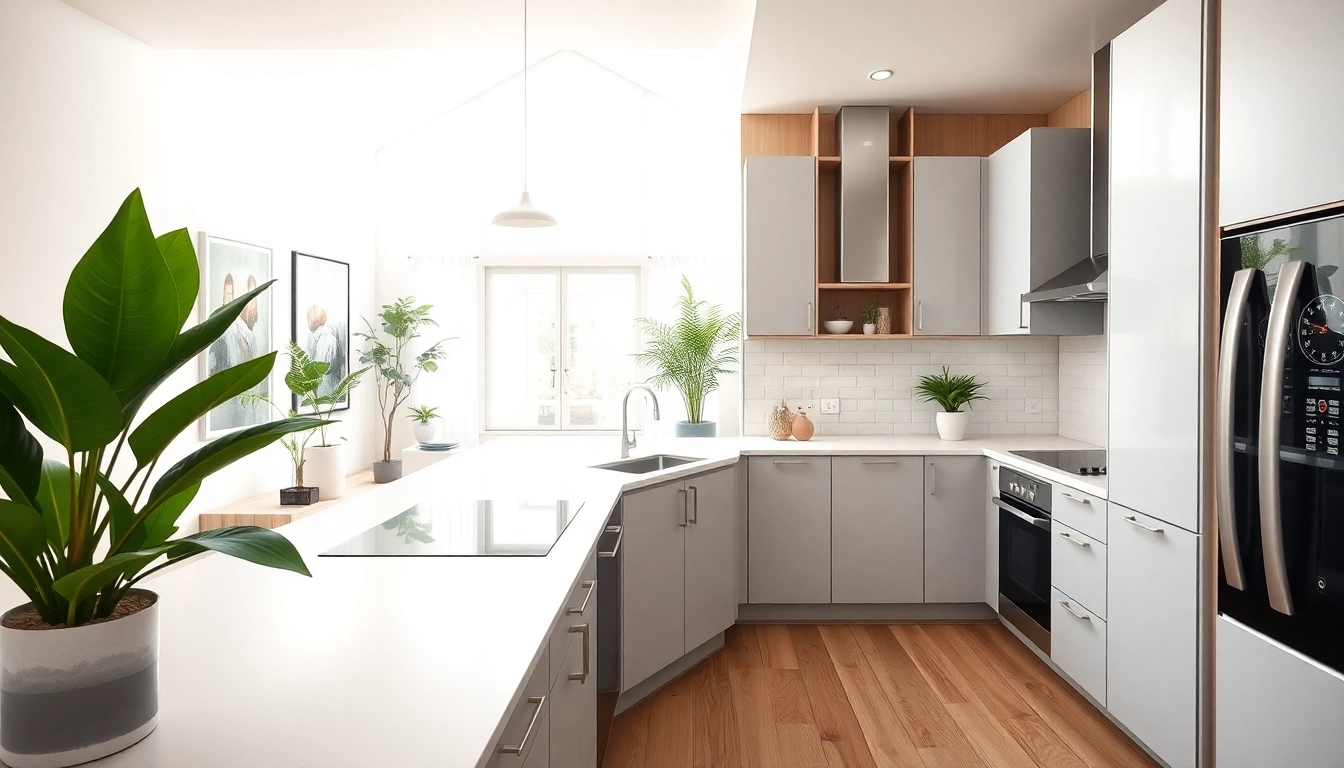
Understanding Home Renovation Basics
Home renovation is a multifaceted endeavor that encompasses various aspects of improving a living space. Whether you are looking to enhance aesthetics, increase functionality, or elevate property value, understanding the basic principles of Home renovation is essential for a successful project. This comprehensive guide explores the fundamentals, intricacies, and best practices associated with renovating your home.
What Is Home Renovation?
Home renovation refers to the process of upgrading, remodeling, or repairing an existing structure, typically a residential home. This can involve anything from minor cosmetic changes, such as repainting or wallpapering, to major structural modifications like adding extensions or reconfiguring layouts. Renovations can significantly enhance the livability and functionality of a home, adapting it to meet evolving family needs or personal preferences.
Common Reasons for Home Renovation
- Increasing Property Value: One of the primary motivations behind home renovation is the potential increase in resale value. By making key enhancements, homeowners can attract buyers and achieve a higher market price.
- Improving Comfort and Space: Expanding living areas or upgrading kitchens and bathrooms can directly improve the quality of life for residents, providing more enjoyment and satisfaction.
- Updating Aesthetic Appeal: Renovations provide an opportunity to modernize the look of your home, keeping it current with design trends and personal tastes.
- Enhancing Energy Efficiency: Many homeowners opt for renovations to address energy consumption issues, leading to reduced utility bills through the installation of energy-efficient windows, appliances, and insulation.
- Meeting Lifestyle Changes: Life events such as growing families or aging residents may necessitate changes that a renovation can adequately address.
Key Considerations Before Starting
Before embarking on a renovation project, several critical considerations must be evaluated:
- Budget: Establishing a clear and realistic budget will guide all subsequent decisions, from design choices to materials and labor costs.
- Regulations and Permits: Understanding local building codes and regulations is essential to avoid potential legal issues or changes in plan after the project has begun.
- Timeline: A well-defined timeline helps manage expectations and keeps the renovation process on track.
- Impact on Daily Life: Consider how renovation work will disrupt daily routines and make plans accordingly.
- Future Needs: Think about current and future family needs to ensure that renovations are forward-thinking and adaptable.
Planning Your Home Renovation Project
Creating a Renovation Budget
A renovation budget should encompass all anticipated expenses, including labor, materials, permits, and contingency funds for unexpected costs. To effectively create this budget:
- Itemize Costs: Break down the project into specific tasks and their associated costs for clarity.
- Research: Gather quotes and consult professionals to gauge realistic prices for different renovation elements.
- Include Contingency: Allocate 10-20% of your total budget for unforeseen expenses, which are common in renovation projects.
Choosing the Right Design Style
Identifying a design style that aligns with personal taste and the existing architecture of your home is crucial for a harmonious renovation. Here are a few popular styles to consider:
- Modern: Characterized by clean lines, open spaces, and minimalist decor.
- Traditional: Emphasizes classic design elements, symmetry, and rich details.
- Rustic: Incorporates natural materials and elements that evoke a cozy, countryside charm.
- Industrial: Utilizes raw materials and an unfinished aesthetic with urban-inspired touches.
Hiring Professionals vs. DIY
Deciding between hiring professionals and undertaking a DIY approach depends on several factors:
- Skill Level: Assess your own skill set and suitability for tasks you wish to handle yourself.
- Time Constraints: Consider the amount of personal time available for the project. Complex renovations may be better left to experts.
- Budget: DIY projects can save money, but hiring professionals may lead to better outcomes in more complicated renovations.
Popular Home Renovation Ideas
Kitchens: Heart of the Home
The kitchen is often described as the heart of the home, making it a prime candidate for renovation. Key elements to focus on include:
- Cabinetry: Updating cabinets can dramatically change the kitchen’s appearance. Choose materials and colors that complement the overall design.
- Countertops: Materials such as quartz, granite, and butcher block not only enhance aesthetics but also improve functionality.
- Lighting: Proper lighting is essential for both ambiance and practicality. Consider layered lighting with pendant fixtures, recessed lights, and task lighting.
- Appliances: Energy-efficient appliances can save on utility costs and elevate the kitchen’s functionality.
Bathrooms: A Sanctuary for Relaxation
Bathrooms are one of the most renovated spaces in homes, often due to their importance in daily life. Popular renovation ideas include:
- Vanities: Upgrading a vanity can improve storage and visual appeal. Dual sinks can provide added convenience.
- Showers and Tubs: Consider walk-in showers or freestanding soaking tubs to create a luxurious experience.
- Tile Work: High-quality tile can enhance both aesthetics and durability in bathrooms.
- Flooring: Water-resistant materials such as porcelain or vinyl are ideal choices for bathroom flooring.
Living Spaces: Maximizing Comfort
Renovating living spaces can significantly enhance comfort and functionality. Here are a few ideas:
- Open Concept Layout: Removing non-structural walls to create an open floor plan can boost light and create a more communal environment.
- Multifunctionality: Designing spaces that serve multiple purposes, such as a home office that doubles as a guest room, maximizes usability.
- Built-Ins: Investing in built-in shelves or storage can greatly enhance organization without sacrificing style.
Implementing Your Home Renovation
Steps to Ensure a Smooth Renovation Process
To achieve a successful home renovation, adhere to these steps:
- Plan Thoroughly: Create detailed project plans, timelines, and design specifications.
- Stay Organized: Keep track of receipts, contracts, and schedules to maintain clarity throughout the project.
- Communicate: Maintain open lines of communication with all parties involved in the renovation to manage expectations and address concerns quickly.
Managing Contractors and Timelines
Effectively managing contractors is essential for keeping your renovation on track. Consider the following:
- Research and Vet Bid Proposals: Obtain multiple quotes and check references to find reputable professionals.
- Set Clear Expectations: Clearly communicate goals, budgets, timelines, and project details to contractors.
- Regular Check-ins: Schedule regular meetings or updates to ensure the project stays on course and any issues are addressed promptly.
Overcoming Common Challenges
Renovation projects often come with their own set of challenges. Here’s how to overcome them:
- Delays: Anticipate delays due to permits or supply chain issues by building buffer time into your schedule.
- Unexpected Costs: Keep contingency funds available for unexpected repairs or upgrades surfaced during the renovation process.
- Design Disconnect: Ensure all design elements are cohesive by working closely with all teams involved in the design and renovation.
Post-Renovation: What to Expect
Evaluating the Result of Your Home Renovation
After completing your renovation, it’s essential to evaluate the results. Here are steps for assessing your project:
- Walk-Through: Conduct a thorough walk-through of the newly renovated space with all stakeholders to identify any issues or areas of concern.
- Gather Feedback: Solicit feedback from family members or trusted friends to gain different perspectives on the renovations.
- Check Against Objectives: Revisit the original goals set for your renovation and evaluate how effectively they were met.
Maintaining Your Renovated Space
Proper maintenance can prolong the life and beauty of your renovated spaces. Consider these maintenance tips:
- Regular Inspections: Conduct routine inspections of your renovated elements to catch any wear or issues early.
- Essential Cleaning: Follow specific cleaning routines for materials used in the renovations, like special care for hardwood floors or natural stone countertops.
- Timely Repairs: Address any damages or repairs immediately to minimize longer-term impacts.
Enhancing Property Value Through Renovation
Renovations can enhance property value in various ways. Here’s how to maximize this potential:
- Focus on Key Areas: Prioritize renovations in areas known to yield the highest returns, such as kitchens and bathrooms.
- Keep Up with Trends: Incorporate popular design trends and materials that are appealing to potential buyers.
- Document Improvements: Keep detailed records of renovations made to showcase to prospective buyers.