

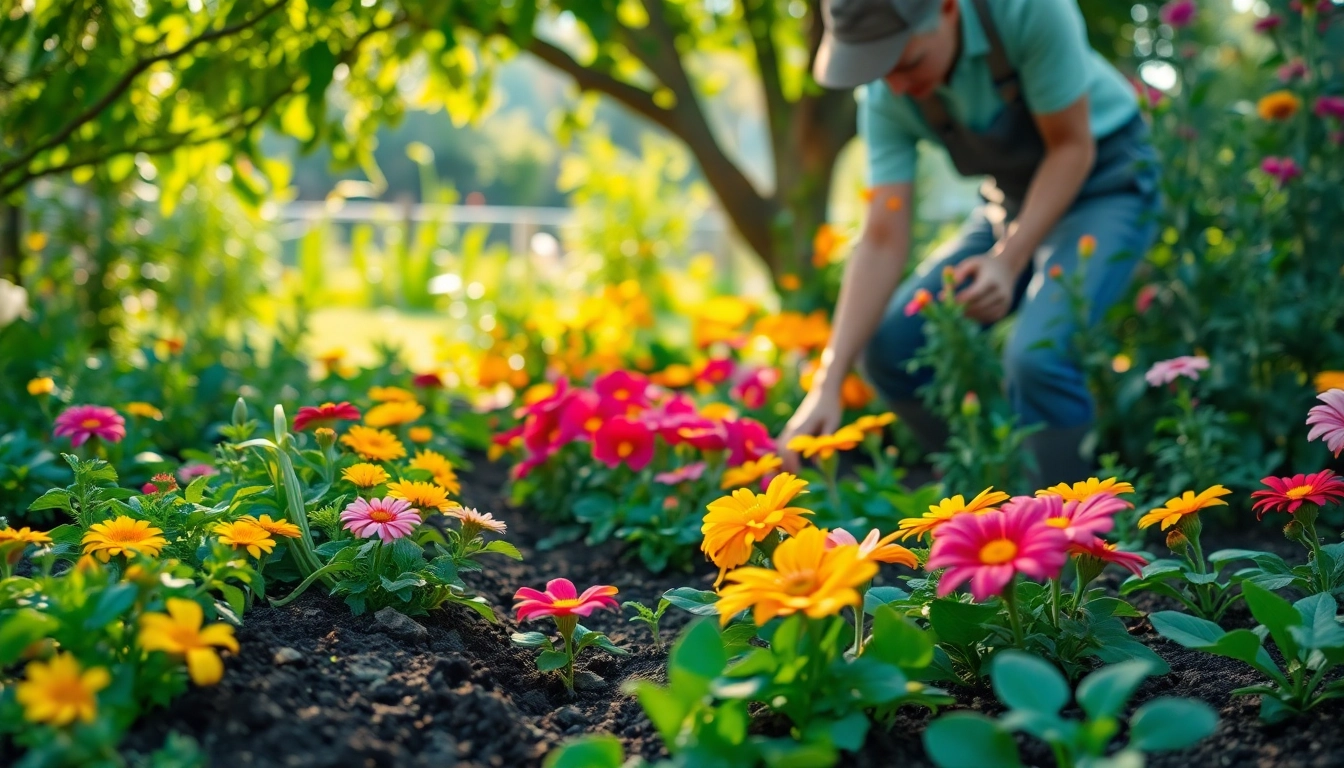
Introduction to Gardening
Gardening is more than just a hobby; it’s a gateway to understanding nature, nurturing plants, and enjoying the beauty of life that comes from your own hands. Engaging in Gardening can transform not just your backyard but also your mental well-being. This comprehensive guide is designed to take you through the essential aspects of gardening, from the basics to advanced techniques that lead to flourishing gardens and bountiful harvests.
Understanding the Basics of Gardening
Gardening involves the cultivation of plants, which can be for food, beauty, or enjoyment. It’s crucial to grasp the following foundational concepts to thrive in your gardening endeavors:
- Sunlight: Plants require sunlight to generate energy through photosynthesis. Understanding how much light your plants need will dictate their placement in your garden.
- Water: Every plant has specific water needs. Proper watering techniques are vital to ensure plants receive just the right amount of hydration.
- Soil: The quality of the soil determines plant health. Different plants thrive in different soil types, and knowing how to enrich your soil can lead to impressive results.
Essential Gardening Tools for Every Gardener
A well-equipped gardener is a successful gardener. Below are the must-have tools that every gardener should consider:
- Hand Trowel: Perfect for digging small holes and planting seeds.
- Pruning Shears: Essential for trimming and shaping plants for better growth.
- Garden Gloves: Protect your hands from dirt, thorns, and cuts.
- Watering Can: An important tool for delivering water directly to your plants when needed.
- Weeder: Helps in removing unwanted plants without disturbing the surrounding soil.
Choosing the Right Location for Your Garden
The location of your garden is crucial to its success. Consider the following factors when determining where to plant:
- Sun Exposure: Most vegetables and flowers prefer full sun, which means at least six hours of direct sunlight.
- Wind Protection: Areas with strong winds can damage plants, so selecting a sheltered spot or providing barriers like fences can help.
- Accessibility: Ensure that your garden area is easy to access for maintenance, harvesting, and watering.
Planning Your Garden
Creating a Successful Garden Layout
Once you have selected the location for your garden, it’s time to plan its layout. Here’s how to create a functional garden plan:
- Map Your Space: Create a scaled diagram of the garden area with measurements.
- Decide on Plant Arrangements: Consider companion planting and the height of plants to maximize space and sun exposure.
- Include Pathways: Designate pathways for easy access to plants without compacting the soil.
Understanding Soil Types and Preparation
The foundation of your garden is the soil, which impacts plant growth directly. Here’s how to understand and prepare your soil:
- Soil Types: There are various soil types like clay, sandy, and loamy. Each has its characteristics, and knowing these will help you select suitable plants.
- Amendments: Most garden soils benefit from organic matter. Adding compost or well-rotted manure can enrich the soil.
- Testing pH Levels: The ideal pH level for most plants is between 6.0 and 7.0. Testing kits are available to help gauge your soil’s acidity or alkalinity.
Selecting the Best Plants for Your Space
The choice of plants significantly impacts your gardening success. Here’s how to select plants that will thrive in your environment:
- Climate Consideration: Choose plants that grow well in your climate zone. For example, tropical plants won’t thrive in colder climates.
- Personal Preference: Select plants that appeal to you visually or culinarily to ensure satisfaction from your gardening efforts.
- Growth Requirements: Pay attention to the light, water, and space requirements of different plants to avoid overcrowding and competition for resources.
Maintenance and Care
Watering Techniques for Optimal Growth
Watering is an essential aspect of garden maintenance. To keep your plants healthy, consider these tips:
- Deep Watering: Water deeply and less frequently to encourage strong root growth.
- Morning vs. Evening: Watering in the morning minimizes evaporation, while watering in the evening can lead to fungal diseases.
- Use Mulch: Adding a layer of mulch can help retain soil moisture and reduce weed growth.
Pest Control Strategies in Gardening
Managing pests is crucial for maintaining plant health. Here are a few effective strategies:
- Natural Predators: Encourage beneficial insects such as ladybugs and lacewings that control pest populations.
- Companion Planting: Some plants deter pests when grown alongside others. For example, marigolds can repel nematodes.
- Organic Pesticides: Use safe, organic pest control methods to minimize harm to beneficial insects and the environment.
Seasonal Care Tips for Plants
Different seasons require varying levels of care. Here’s how to adjust your gardening practices:
- Spring: This is the time to prepare your garden, seed new plants, and apply fertilizers as necessary.
- Summer: Focus on watering, weeding, and controlling pests as plants begin to flourish.
- Fall: Harvest crops, plant fall flowers, and prepare your garden for winter dormancy.
- Winter: Depending on your climate, winter can be a time for planning next year’s garden or protecting plants from severe cold.
Gardening Techniques
Organic Gardening Practices
Organic gardening is about growing plants without synthetic fertilizers or pesticides, allowing for a healthier ecosystem. Here are key principles:
- Soil Health: Focus on building healthy soil through composting and fostering biodiversity.
- Crop Rotation: Rotate crops each season to prevent soil depletion and reduce pest populations.
- No-Till Methods: Implementing no-till techniques can preserve soil structure and microbial activity.
Companion Planting Techniques
Companion planting maximizes the benefits of your garden by increasing compatibility between plants. Consider these combinations:
- Tomatoes and Basil: Basil repels pests while enhancing tomato flavor.
- Carrots and Onions: Onions deter carrot flies, while carrots help break up the soil.
- Beans and Corn: Beans provide nitrogen to the soil, which benefits corn growth.
Innovative Gardening Methods (Hydroponics and More)
For those looking to think outside the box, innovative gardening techniques such as hydroponics can lead to successful outcomes in restricted spaces. Hydroponics uses nutrient-rich water solutions instead of soil, promoting faster growth rates and higher yields. Other methods include:
- Aeroponics: Plants are suspended in air and misted with nutrients, creating an optimal environment.
- Vertical Gardening: This method maximizes limited space by growing plants vertically, great for urban gardening.
Harvesting and Beyond
When and How to Harvest Your Crops
Harvesting at the right time is vital for flavor and preservation. Here are guidelines:
- Timing: Each plant has a specific maturity time; pay attention to signs that indicate readiness, such as color and size.
- Tools: Use appropriate tools like garden scissors or hand pruners for a clean cut to avoid damaging the plant.
- Technique: Harvest in the morning when plants are full of moisture for optimal flavor.
Packing and Storing Your Harvested Goods
Proper storage ensures your harvested crops stay fresh. Here are effective methods:
- Refrigeration: Many fruits and vegetables benefit from refrigeration to slow down deterioration.
- Preservation Methods: Consider canning, freezing, or drying as viable options to extend the life of your harvest.
- Labeling: Clearly label all stored items with dates to keep track of freshness.
Sharing the Joy of Gardening with Others
Gardening can significantly enhance community ties. Here’s how to share your passion:
- Community Gardens: Join or establish a community garden to grow together with neighbors.
- Workshops and Classes: Consider hosting gardening workshops to teach others about your knowledge and techniques.
- Social Media: Share your gardening journey online to inspire others and connect with fellow garden enthusiasts.