
Understanding Gardening Basics
Gardening is more than just a hobby or a means to beautify our surroundings; it is an art and science that requires planning, knowledge, and hard work. Engaging in Gardening can be immensely rewarding, offering numerous benefits such as fresh produce, physical activity, and an opportunity to connect with nature. Whether you are a seasoned gardener or a curious beginner, understanding the basics of gardening is essential for cultivating a successful and thriving garden.
What is Gardening?
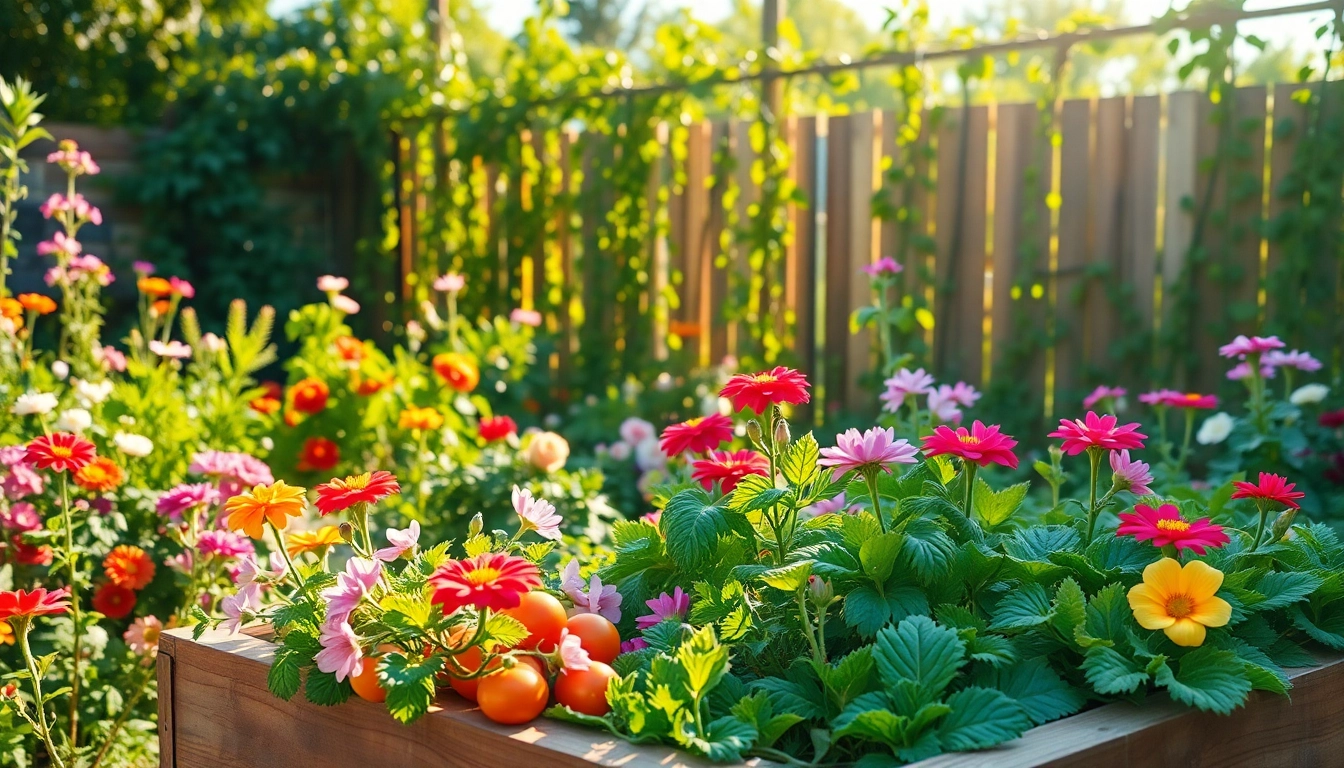
Gardening is the practice of growing and cultivating plants for food, aesthetics, or health benefits. It encompasses a range of activities, from planting seeds and caring for plants to harvesting fruits and vegetables. Gardening can take many forms, including vegetable gardens, flower beds, container gardening, and specialized practices like hydroponics. It allows individuals to express their creativity while fostering an appreciation for nature and the environment.
Importance of Gardening in Daily Life
In today’s fast-paced world, gardening offers a respite from digital distractions and promotes physical and mental well-being. Here are some important reasons why gardening should be a part of daily life:
- Health Benefits: Gardening provides a great source of physical exercise, which can improve cardiovascular health, build strength, and boost stamina.
- Mental Well-being: Engaging with plants and nature is known to reduce stress, anxiety, and depression. The act of nurturing plants can be therapeutic.
- Food Security: Growing your own fruits and vegetables can lead to better nutrition, cost savings, and a reduced carbon footprint.
- Community Connection: Gardening fosters connections within communities, whether through sharing harvests, exchanging gardening tips, or participating in local gardening clubs.
Essential Tools for Gardening
A well-equipped gardener can make the difference between a thriving garden and a struggling one. Here are some essential tools you will need to get started:
- Hand Tools: These include trowels, pruners, and weeding forks that help in planting, trimming, and maintaining plants.
- Larger Tools: Shovels, rakes, and hoes are useful for preparing garden beds and handling larger tasks.
- Watering Equipment: A good watering can or hose with adjustable settings helps maintain optimal watering levels for plants.
- Personal Safety Gear: Gloves, knee pads, and hats are essential for protection while gardening.
Choosing the Right Plants
The success of a garden largely depends on selecting the right plants that suit specific conditions, tastes, and purposes. Here are tips for making the best selections:
Selecting Plants for Your Climate
Understanding your local climate is crucial for making informed plant choices. Different plants thrive in varying temperature and moisture conditions. Assess factors like:
- Hardiness Zones: These indicate the climatic conditions of your area. Select plants categorized under your zone for optimal growth.
- Sun and Shade: Some plants prefer full sunlight while others flourish in shaded areas. Know your planting spots before selecting plants.
Understanding Perennials vs. Annuals
A fundamental aspect of gardening is understanding the difference between annual and perennial plants. Here’s how they vary:
- Annuals: These plants complete their life cycle in one growing season. They require replanting each year but tend to bloom continuously throughout the season.
- Perennials: These plants live for multiple seasons. They may go dormant in winter but return year after year, often growing more vibrant each year.
Companion Planting Strategies
Companion planting involves growing different plants together for the benefit of each. Some plants enhance the growth of others, deter pests, or provide support. Consider the following strategies:
- Mutual Benefits: Planting basil near tomatoes can enhance the flavor of tomatoes and reduce pests.
- Deterring Pests: Marigolds can deter nematodes and other harmful insects when planted among vegetables.
Soil and Fertilization Techniques
The health of your garden begins with the soil. Understanding soil types and the right fertilization techniques is crucial for plant growth and productivity.
Types of Soil and Their Benefits
Soil quality directly impacts the growth of plants. There are several types of soil, including:
- Sandy Soil: Drains well, warms quickly, but does not retain nutrients well.
- Clay Soil: Retains moisture and nutrients but doesn’t drain well, leading to root rot.
- Silty Soil: Fertile and retains moisture better than sandy soil, making it excellent for most plants.
Organic and Synthetic Fertilizers
Choosing between organic and synthetic fertilizers is essential for your garden’s health:
- Organic Fertilizers: These are derived from natural sources and improve soil health over time.
- Synthetic Fertilizers: These provide immediate nutrients but may harm soil health and biodiversity in the long term.
How to Improve Soil Health
Improving soil health leads to better plant growth. Here are a few strategies:
- Add Organic Matter: Incorporate compost or well-rotted manure to enrich soil.
- Cover Cropping: Grow cover crops in the off-season to prevent erosion and improve soil structure.
Watering and Maintenance Practices
Maintaining your garden involves several practices, particularly effective watering and pest management strategies. Here’s how to ensure your garden remains vibrant and productive:
Watering Techniques for Different Plants
Different plants have varying water requirements. Here are some effective techniques:
- Deep Watering: Encourages deep root growth by watering thoroughly but less frequently.
- Drip Irrigation: Provides slow, steady moisture directly to the roots, reducing water waste.
Pest Management Strategies
Pest management is crucial to prevent damage to plants. Here are some approaches to manage pests effectively:
- Integrated Pest Management (IPM): A holistic approach that combines biological, cultural, and chemical methods to minimize pest problems.
- Natural Predators: Encourage beneficial insects to control pest populations.
Seasonal Gardening Maintenance
Proper maintenance throughout the seasons enhances your garden’s productivity:
- Spring: Prepare your garden beds and start planting.
- Summer: Regularly water and monitor for pests and diseases.
- Fall: Harvest crops and prepare beds for winter.
- Winter: Plan for the upcoming year and protect perennial plants.
Harvesting and Enjoying Your Garden
The culmination of your efforts in gardening is the harvest. Here’s how to make the most of your yield:
When to Harvest Your Plants
Knowing the right time to harvest is essential for flavor and quality. Guidelines include:
- Visual Cues: Observe the color and size of your fruits and vegetables for ripeness.
- Tactile Checks: Gently squeeze fruits to assess firmness for harvest readiness.
Storing and Preserving Your Produce
Proper storage techniques prolong the freshness of your harvest. Consider the following methods:
- Refrigeration: Store most veggies in a refrigerator to maintain crispness.
- Canning and Freezing: Preserve seasonal excess for enjoyment throughout the year.
Creating a Beautiful Garden Display
Besides growing food and flowers, creating a visually appealing garden adds to your enjoyment:
- Design Principles: Use color, texture, and form to create pleasing arrangements.
- Garden Decor: Incorporate ornaments or furniture for functionality and aesthetic appeal.