Understanding Gardening Basics
Gardening is more than just a hobby; it’s an expression of creativity and life itself. Creating your own green space can be incredibly fulfilling, providing a personal sanctuary where you connect with nature. Gardening allows you to cultivate various plants, from flowers to vegetables, offering aesthetic value alongside practical benefits. For anyone eager to embark on this journey, understanding the fundamentals of Gardening is essential.
What is Gardening?
At its core, gardening is the process of growing plants, whether for ornamental beauty, food production, or ecological benefits. It involves the act of cultivating soil, planting seeds or seedlings, and nurturing plants as they grow. The practice can take various forms, including backyard vegetable gardens, rooftop herb pots, or expansive flower beds. Each type of gardening requires different skills, approaches, and knowledge, but all share a single goal: fostering plant growth in a controlled environment.
Key Benefits of Gardening
The advantages of gardening are myriad, extending beyond the surface of soil and seeds. Here are some key benefits:
- Physical Health: Engaging in gardening is an excellent way to stay active. It can provide a full-body workout, improving strength, endurance, and flexibility.
- Mental Wellbeing: Tending to plants reduces stress and anxiety levels. Gardening serves as a therapeutic hobby that connects individuals with nature, fostering a sense of calm.
- Environmental Impact: Home gardens can play a critical role in supporting local ecosystems. Introducing native plants contributes to biodiversity and aids in pollination.
- Food Security: Growing your own fruits and vegetables empowers you to have better control over your diet, offering nutritious options right at your doorstep.
Essential Tools for Successful Gardening
To start gardening efficiently, it is crucial to have the right tools in hand. Here is a list of indispensable tools that every gardener should consider:
- Hand Trowel: A versatile tool for digging, planting, and transferring small amounts of soil.
- Pruners: Essential for trimming plants and promoting healthy growth through effective maintenance.
- Garden Fork: Useful for loosening soil and mixing compost or fertilizers into planting beds.
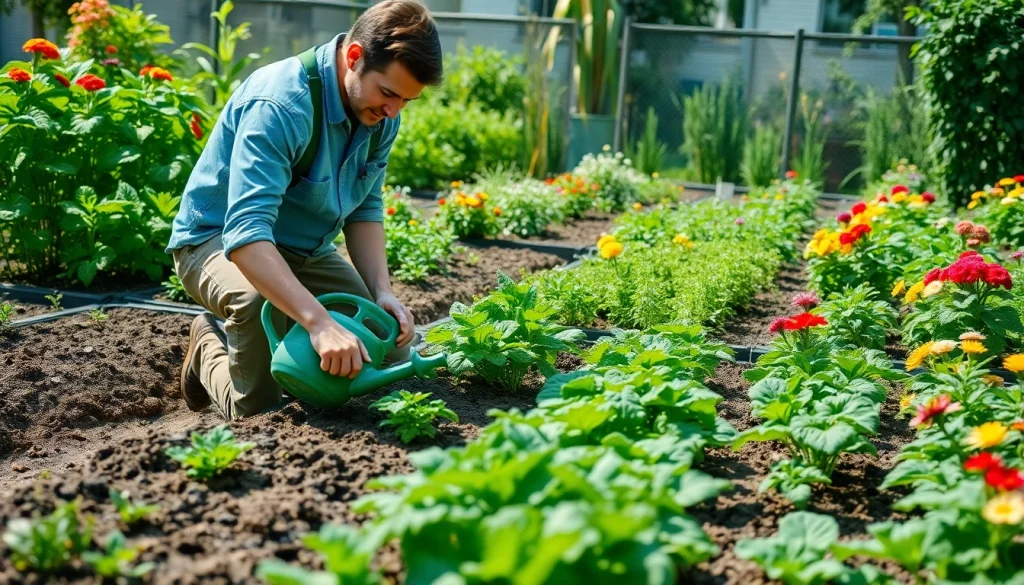
- Watering Can or Hose: Effective watering tools depending on the size of your garden.
- Gloves: Protect your hands from thorns, splinters, and harmful substances while gardening.
Choosing the Right Plants for Your Garden
Selecting the right plants is crucial for a flourishing garden. Your choices should reflect personal preference, climate conditions, and the environmental impact of your selections.
Best Plants for Beginners in Gardening
For those just starting, certain plants are easier to cultivate and maintain. Here are some ideal options for novice gardeners:
- Marigolds: Brighten your garden with these resilient flowers that deter pests.
- Basil: This herb is easy to grow and adds flavor to countless dishes.
- Radishes: Quick-growing vegetables that provide satisfaction in the early stages of gardening.
- Sunflowers: Not only are they visually striking, but they also attract beneficial insects.
Seasonal Planting: Timing is Everything
Understanding seasonal planting is vital to gardening success. Each plant has a specific growing cycle and will thrive when planted at the right time. Here’s a basic guide:
- Spring: Ideal for planting perennials, vegetables, and annuals that can thrive in warmer weather.
- Summer: Focus on maintaining your garden; consider late summer as a time to plant fall crops.
- Fall: Great for planting bulbs that will bloom in spring and preparing your garden for winter.
- Winter: Use this time to plan your garden and start indoor seedlings.
Native Plants: Why They Matter in Gardening
Choosing native plants offers unique advantages. These species are naturally adapted to local ecosystems, often requiring less maintenance and water. They also provide essential habitats for wildlife, contributing to ecological balance. By incorporating native plants, gardeners can enhance biodiversity and create more sustainable environments.
Soil Preparation and Fertilization Techniques
The foundation of any successful garden lies in the soil. Proper preparation sets the stage for healthy growth.
Types of Soil and How to Test It
Understanding the type of soil in your garden is crucial. The main soil types are sandy, clay, silt, and loam. Each type has unique properties affecting drainage, nutrient retention, and overall health. Testing your soil can be done via simple home tests or professional analysis. Look for pH levels, nutrient levels, and compaction issues that can impede plant growth.
Organic vs. Chemical Fertilizers in Gardening
When it comes to fertilization, gardeners can choose between organic and chemical options. Organic fertilizers, derived from natural sources, enrich the soil while supporting a healthy ecosystem. Chemical fertilizers provide quick nutrients but may cause long-term soil degradation and nutrient imbalance. Understanding your garden’s needs will determine the best approach to fertilization.
Composting: Natural Fertilization for Gardening
Composting is an effective way to recycle kitchen waste and yard debris into a nutrient-rich soil amendment. By building a compost pile and monitoring it regularly, gardeners can produce high-quality compost that not only nurtures plants but also improves soil structure and moisture retention. Additionally, composting reduces the need for chemical fertilizers, making it environmentally friendly and sustainable.
Watering and Maintenance Strategies
Effective watering and maintenance are critical components in sustaining a healthy garden. Consider the following strategies to ensure your plants thrive.
Effective Watering Techniques for Gardening
Watering practices can significantly influence plant growth. Consider these techniques:
- Drip Irrigation: An efficient system that delivers water directly to the plant’s roots, minimizing evaporation and runoff.
- Watering Early or Late: Early morning or late afternoon watering prevents evaporation and ensures plants absorb moisture effectively.
- Soil Moisture Testing: Regularly check soil moisture levels with a probe or by touch; only water when necessary.
Weed Control: Keep Your Garden Healthy
Weeds compete with your plants for valuable resources. Implementing weeding strategies such as mulching, hand-pulling, or using organic herbicides can help maintain your garden’s health. Moreover, allowing a thriving ecosystem and utilizing ground covers can prevent weeds from taking root.
Pest Management: Protecting Your Plants
Maintaining plant health requires vigilant pest management. Integrated Pest Management (IPM) strategies involve monitoring plant health, identifying pests, and using organic control methods whenever possible. Beneficial insects, companion planting, and organic pesticides can help manage pest populations while remaining environmentally conscious.
Advanced Gardening Techniques for Experienced Gardeners
For those looking to enhance their gardening skills, advanced techniques can make a significant difference in productivity and sustainability.
Permaculture Principles for Sustainable Gardening
Permaculture emphasizes working in harmony with nature rather than against it, focusing on sustainability and self-sufficiency. Implement principles such as companion planting, perennial crops, and natural fertilization methods to create a resilient garden ecosystem. A permaculture garden functions as a self-sustaining system, minimizing waste and maximizing yield.
Vertical Gardening: Space-Saving Solutions
Vertical gardening is an innovative solution particularly beneficial for urban gardeners and those with limited space. Utilizing trellises, wall planters, or hanging pots allows gardeners to cultivate a variety of plants upward, maximizing available area while enhancing aesthetics. This technique provides better air circulation, reduces soil pests, and increases accessibility for maintenance.
Growing Food: A Guide to Vegetable Gardening
Vegetable gardening is not just rewarding but also contributes directly to your food security. Begin by selecting vegetables that grow well in your climate; consider space, sun exposure, and companion planting. Planting in raised beds can improve drainage and soil health. Also, consider crop rotation to enhance nutrient replenishment and reduce pest build-up.