Getting Started with Gardening Basics
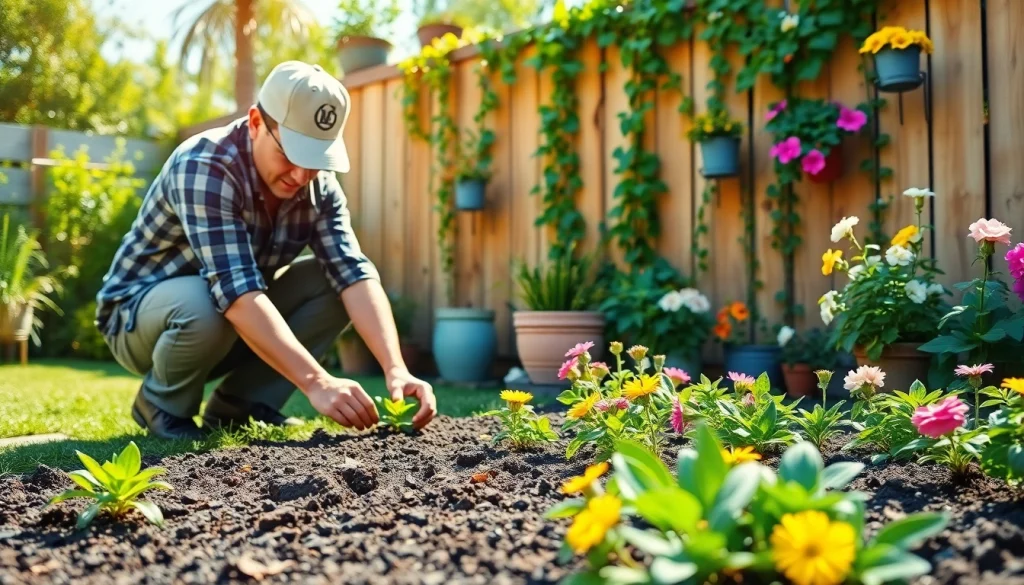
Gardening is a fulfilling hobby that connects you with nature while providing fresh produce and beautiful landscapes. Whether you are a seasoned gardener or a complete novice, understanding the fundamentals can significantly enhance your experience. This guide aims to cover essential gardening techniques, complete with practical tips and insights to help you thrive in your gardening journey. In this comprehensive overview, we will discuss various gardening aspects, ensuring you have a strong foundation to build upon. You can also explore more resources on Gardening.
Understanding Different Types of Gardening
Gardening encompasses a wide range of styles, each catering to various interests, environments, and plant types. Broadly, gardening can be categorized into several types:
- Vegetable Gardening: Growing edible plants, from tomatoes to zucchini, with an emphasis on sustainability and self-sufficiency.
- Flower Gardening: Focused on ornamental aesthetics, this gardening style celebrates flower cultivation for beauty and fragrance.
- Herb Gardening: A specialized practice where gardeners grow culinary and medicinal herbs like basil and rosemary.
- Container Gardening: Ideal for limited spaces, gardeners use pots or containers to grow plants on patios or balconies.
- Raised Bed Gardening: Involves cultivating plants in raised soil beds, enhancing ease of access and soil quality.
Essential Tools Every Gardener Needs
Having the right tools is crucial for successful gardening. Here’s a list of essential gardening tools that every gardener should have:
- Hand Trowel: Perfect for digging and planting small areas.
- Pruning Shears: Necessary for trimming plants and harvesting fruits and flowers.
- Garden Fork: Useful for breaking up soil and aerating it.
- Rake: Essential for leveling soil and removing debris.
- Watering Can: Ideal for gently watering seedlings and potted plants.
Choosing the Right Location for Your Garden
The location of your garden significantly impacts plant health. Here are key factors to consider when selecting the perfect spot:
- Sunlight: Most gardens require 6 to 8 hours of direct sunlight each day.
- Accessibility: Ensure the garden space is easily reachable for maintenance and watering.
- Drainage: Good drainage prevents waterlogging, which can harm roots.
- Proximity to Water Source: Having a nearby water source facilitates efficient watering.
Soil Preparation for Healthy Plants
The foundation of a thriving garden is healthy soil. Proper soil preparation enhances plant growth and overall garden productivity. Here are critical steps to prepare your soil:
Testing Your Soil Quality
Before planting, assess your soil’s quality through testing. Home testing kits measure pH levels, nutrient content, and soil type. A balanced pH is essential (most plants prefer a pH between 6.0 to 7.0). A soil test can indicate necessary amendments, leading to healthier plants and better yields.
Improving Soil with Organic Matter
Enriching your soil with organic matter improves its structure, fertility, and moisture retention. Some effective organic amendments include:
- Compost: Decomposed organic material that provides nutrients and enhances soil structure.
- Manure: Well-rotted animal waste contributes nitrogen and helps develop beneficial microbial activity.
- Mulch: Organic mulch conserves moisture and prevents weeds, breaking down over time to enrich the soil.
Understanding Soil pH and Nutrients
Soil pH affects nutrient availability, impacting plant health. Different plants have varying pH preferences; thus, adjusting pH can significantly enhance growth. Additionally, key nutrients include:
- Nitrogen: Essential for plant leaf growth.
- Phosphorus: Crucial for root and flower development.
- Potassium: Key for plant resilience and overall health.
Planting Techniques for Optimal Growth
After soil preparation, understanding effective planting techniques becomes paramount for thriving gardens. Here are essential practices to follow:
Selecting the Best Plants for Your Area
When choosing plants, consider your local climate, soil type, and sunlight availability. Native plants often perform the best as they are adapted to the local environment. Consulting local planting guides or resources is advisable for tailored recommendations.
Spacing and Depth Guidelines for Planting
Planting depth and spacing influence air circulation and nutrient uptake. A few tips include:
- Seeds: Generally planted at a depth of two to three times their size.
- Seedlings: Should be planted at the same depth they were in their previous containers.
- Spacing: Ensure appropriate spacing to reduce competition for nutrients and sunlight.
Watering Practices for Seedlings and Established Plants
Effective watering practices ensure plants receive adequate moisture without waterlogging the soil. Key practices include:
- Watering Early or Late: Water your garden in the early morning or late afternoon to minimize evaporation.
- Deep Watering: Water deeply but less frequently to promote strong root systems.
- Mulching: Apply mulch around plants to retain soil moisture.
Pest Management and Maintaining Garden Health
A thriving garden also requires regular pest management to maintain plant health. Here’s how to manage pests effectively:
Identifying Common Garden Pests
Common garden pests include aphids, slugs, and caterpillars. Identifying these pests early can prevent significant damage. Regular plant inspections are vital to catch infestations early. Look for signs like chewing on leaves, wilting, or discolored patches.
Organic Pest Control Methods
Utilizing organic methods for pest control ensures the safety of your garden ecosystem. Some natural pest control techniques include:
- Companion Planting: Plant certain species together to deter pests (e.g., marigolds can repel nematodes).
- Neem Oil: A natural pesticide effective against a variety of pests.
- Hand-Picking: Physically removing pests or using barriers to protect plants.
Maintaining Plant Health Through Companion Planting
Companion planting goes beyond pest control; it promotes plant health. Pairing beneficial plants creates a symbiotic environment. For instance, growing basil alongside tomatoes can enhance growth and flavor while repelling harmful insects.
Seasonal Gardening: What to Do and When
Successful gardening takes into account seasonality. Understanding seasonal tasks can optimize your garden’s productivity. Here’s what you need to know:
Preparing Your Garden for Each Season
Different seasons require specific care. In spring, ensure your soil is ready and transplant seedlings. Summer demands consistent watering and monitoring for pests. In fall, focus on harvesting and preparing your garden for winter. Meanwhile, winter may involve covering plants and planning the next season’s garden.
Harvesting Tips for a Bountiful Yield
Knowing when and how to harvest is crucial for maximizing yield. Always harvest fruits and vegetables early in the morning for optimal freshness. Ensure you have clean tools to prevent contamination, and gently handle produce to minimize bruising.
Winterizing Your Garden for the Cold Months
Proper winterization protects your garden during harsh conditions. This involves:
- Mulching: Insulating roots from freezing temperatures.
- Cover Crops: Planting cover crops to improve soil health and prevent erosion.
- Equipment Care: Cleaning and storing gardening tools prevent damage during the cold months.
Gardening is a transformative process that not only provides food and beauty but also nurtures a deeper connection to our environment. With a solid understanding of these fundamental techniques and principles, anyone can cultivate a thriving garden. Remember, every garden is a personal journey, and through trial, experimentation, and patience, it becomes a reflection of your passion and commitment.