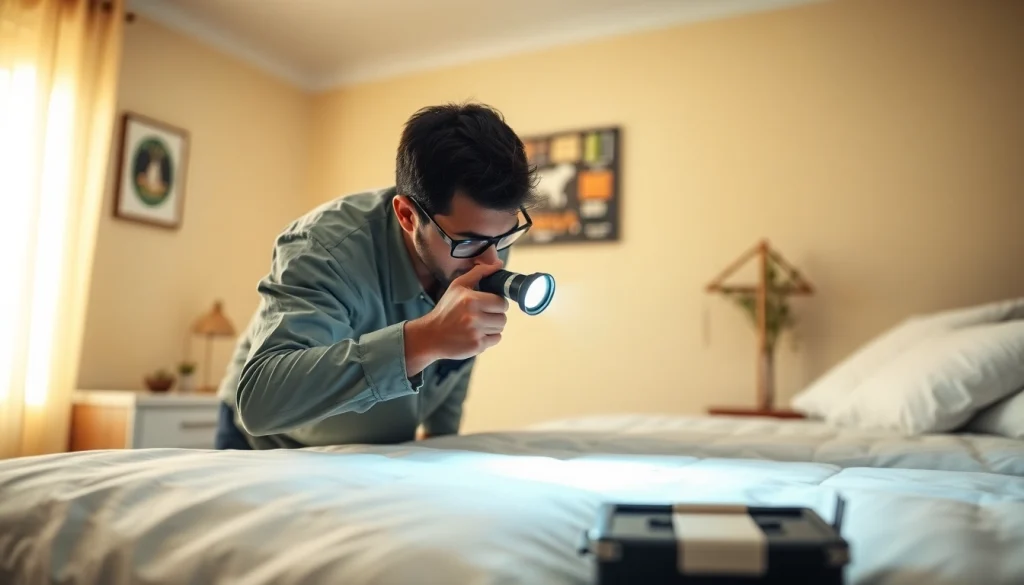
Understanding Bed Bugs: Identification and Habitats
What Are Bed Bugs?
Bed bugs are small, wingless insects belonging to the Cimex genus, specifically Cimex lectularius. These nocturnal parasites feed primarily on the blood of humans and animals. Adult bed bugs are roughly the size of an apple seed, measuring about 5 to 7 millimeters in length, and have flat, oval bodies that enable them to hide in tight spaces. Their color ranges from light brown to reddish-brown, depending on their feeding status. After feeding, a bed bug becomes engorged and turns a darker hue, making it easier to distinguish from a non-feeding bug.
Common Habitats of Bed Bugs
Bed bugs thrive in places where humans sleep or rest, with the most common habitats being hotels, apartments, dormitories, and homes. They often hide in the seams and crevices of mattresses, box springs, bed frames, and headboards. However, bed bugs can also inhabit furniture, baseboards, electrical outlets, and even luggage, making them particularly challenging to control. They are adept at traveling in personal items, spreading from one location to another, often without the knowledge of their hosts.
How to Identify Bed Bug Infestations
Identifying a bed bug infestation requires vigilance. Signs of an infestation include:
- Finding small, rust-colored stains on bed linens or mattresses, which are blood spots from bed bugs.
- Seeing dark, pepper-like spots, which are fecal matter.
- Noticing the presence of shed exoskeletons from molting bed bugs.
- Experiencing itchy bite marks on the skin, typically in a linear pattern.
If any of these indicators are observed, it is advisable to seek professional assistance immediately, such as through https://affordablebedbugexterminators.com.
Prevention Strategies for Bed Bug Infestations
Home Maintenance Tips
Preventing bed bugs begins with maintaining a clean home environment. Regular vacuuming, especially in areas where bed bugs are likely to hide, can significantly reduce their population. Pay special attention to carpets, rugs, and the area surrounding beds. Other effective home maintenance tips include:
- Reducing clutter, as it provides more hiding spots for bed bugs.
- Sealing cracks and crevices in walls, floors, and furniture to limit their harborage sites.
- Using protective covers on mattresses and box springs that are specifically designed to trap bed bugs.
Travel Tips to Avoid Bringing Bed Bugs
Travelers can unknowingly transport bed bugs home. To reduce this risk, consider adhering to the following travel tips:
- When checking into a hotel, inspect the room for signs of bed bugs, particularly around the mattress, headboard, and furniture.
- Keep luggage elevated off the floor and away from the bed, using luggage racks or placing bags in the bathroom.
- Before returning home, inspect your luggage and personal items, and consider washing clothes in hot water upon arrival.
Bed Bug-Proofing Your Mattress
One of the most effective ways to prevent bed bug infestations is to bed bug-proof your mattress. This involves encasing your mattress and box spring in a high-quality, bed bug-proof cover that has been tested for efficacy. These encasements will:
- Trap any existing bed bugs inside, preventing them from feeding on you.
- Protect against new infestations, as bed bugs cannot penetrate the material.
Make sure to regularly inspect your mattress and the encasement for any signs of damage.
In-Depth Guide to Bed Bug Treatments
Chemical Treatments Explained
Chemical treatments have evolved significantly in recent years, offering more effective options for bed bug extermination. Professional exterminators may use a combination of insecticides, some of which target adult bed bugs while others are effective against eggs or larvae. Key points to note include:
- Insecticides work best when applied as part of a comprehensive treatment plan, often combined with other methods like heat treatments.
- Always ensure that chemical treatments are used safely and according to label instructions to minimize risks to humans and pets.
Heat Treatment Methods
Heat treatment is considered one of the most effective ways to eradicate bed bugs, as it can kill all life stages, including eggs. This method involves raising the temperature in a room to a level that is lethal to bed bugs—typically between 120°F to 140°F. Some important aspects of heat treatments include:
- It is crucial to use professional services to ensure an even heat distribution throughout the treated area.
- Personal items in the treated room should be carefully prepared prior to the treatment to avoid damage.
Comparison of Bed Bug Treatment Options
When weighing bed bug treatment options, consider the following:
- Chemical Treatments: Generally effective but may require follow-up applications. Potential risks and health concerns if not applied correctly.
- Heat Treatments: Highly effective and eco-friendly but can be cost-prohibitive and may require extensive preparations.
- Integrated Pest Management (IPM): Combines multiple strategies (chemical, heat, exclusion) for long-term control, making it an often recommended approach.
Preparing Your Home for Bed Bug Treatment
Essential Steps Before Treatment
Preparation is key to successful bed bug treatment. Before the extermination process begins, homeowners should take several steps to facilitate effective results:
- Clear the infested areas of clothing, bedding, and any items that may be obstructing the technician’s access.
- Wash all bedding and clothing in hot water and dry them on high heat; this step can eliminate some bed bugs before the treatment.
- Declutter the affected area to allow for better treatment access, reducing harborage sites.
Checklist for Effective Bed Bug Preparation
Here’s a helpful checklist to follow before your scheduled extermination:
- Inspect and clean all furniture.
- Remove pets and plants from the treatment area.
- Seal or bag any items that won’t be treated.
- Follow any specific instructions provided by your pest control professional.
Common Mistakes to Avoid
To maximize the effectiveness of bed bug treatment, be mindful of these common mistakes:
- Delaying treatment – the longer you wait, the more difficult the infestation will be to control.
- Underestimating the extent of the infestation – make sure to accurately share observed signs with your pest control service.
- Attempting DIY treatments without adequate knowledge can often make matters worse.
Aftercare Post-Treatment: Ensuring Bed Bug Elimination
Signs Your Treatment Was Successful
After treatment, it’s essential to monitor the affected area for signs of success. Positive outcomes typically include:
- No new bite marks appearing on residents.
- Absence of visible bed bugs or evidence of their presence, such as droppings or molted skins.
Long-Term Prevention Tips
Even after successful treatment, the risk of bed bugs returning persists. Consider these long-term prevention tips:
- Continue regular inspections of your home, particularly after travel.
- Memorize and apply safe practices and tips for hotel stays or new purchases of second-hand furniture.
- Retain good housekeeping practices to discourage bed bug establishment.
When to Call for Further Assistance
If signs of bed bugs persist after treatment, it may be time to reassess your situation. You should contact professionals if you:
- Experience new bites or evidence of bed bugs.
- Have difficulty following through with preparation tips due to the extent of the infestation.
- Find yourself unsure or overwhelmed about the steps to take next.