Understanding Off-Road Motorcycling
What is Off-Road Motorcycling?
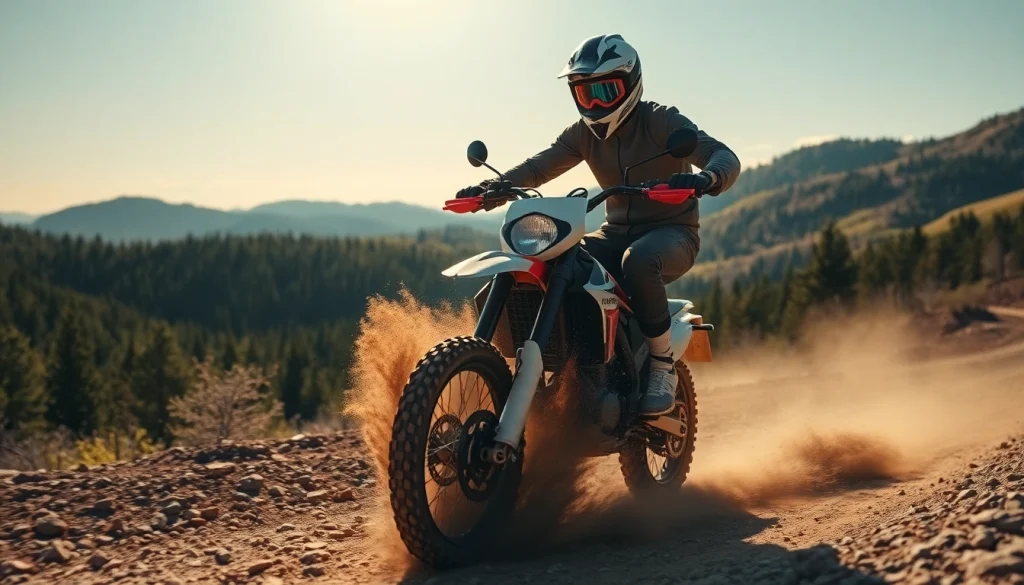
Off-road motorcycling encompasses riding motorcycles designed for unpaved surfaces, including dirt trails, rocky paths, and rugged terrains. This exciting form of motorcycling offers enthusiasts the chance to explore nature while experiencing the thrill of navigating through challenging landscapes. Off-road bikes differ significantly from conventional motorcycles; they are engineered for durability, handling, and versatility in various environmental conditions.
The allure of off-road motorcycling is multifaceted. Riders seek adventure and adrenaline, often envisioning adrenaline-pumping experiences that test not only their skills but also the endurance of their machines. Whether zooming through dense forests, tackling steep hills, or maneuvering across muddy tracks, off-roading provides an escape from the mundane and an opportunity to connect with the great outdoors.
The History of Off-Road Bikes
The evolution of off-road motorcycles has deep roots dating back to the early 20th century. Initially, motorcycles were primarily used for paved road transport. The 1930s saw the introduction of lightweight models built specifically for rougher terrain, but it wasn’t until the 1960s that the sport truly gained momentum.
In the 1960s, motocross began to capture public interest, leading to the development of dedicated off-road motorcycles. The creation of the first motocross events ignited competition and innovation, prompting manufacturers to enhance suspension systems, tires, and engine power. By the 1970s, bikes like the Honda Elsinore and the Yamaha YZ became iconic figures in the motocross world, setting standards for future designs.
The 1980s and 1990s ushered in a new era with a focus on dual-sport bikes, which combined road and off-road capabilities. Today’s off-road motorcycles feature advanced technology, lightweight frames, and powerful engines, catering to a diverse range of riders, from amateurs to seasoned professionals. The passion for this exhilarating sport remains steadfast, evolving continuously with modern advancements.
Different Types of Off-Road Motorcycles
Off-road motorcycles can be categorized into several types, each designed for specific riding styles and terrains. Understanding these differences is essential for choosing the right bike for your adventures. Here are the primary categories:
- MOTOCROSS BIKES: These bikes are built for racing on closed circuits featuring jumps, turns, and obstacles. They typically have powerful two-stroke engines and are lightweight.
- ENDURO BIKES: These motorcycles combine speed with endurance. They are designed for long-distance rides through challenging terrains and can handle rough tracks full of obstacles.
- TRAIL BIKES: Freely adaptable, trail bikes are excellent for casual riding and exploring. They tend to be more comfortable and possess features conducive to longer rides.
- DUAL-SPORT BIKES: As the name suggests, these bikes perform well on both pavement and dirt. They are street-legal and equipped with features like lights, turn signals, and larger fuel tanks.
- DUAL-SPORT BIKES: As the name suggests, these bikes perform well on both pavement and dirt. They are street-legal and equipped with features like lights, turn signals, and larger fuel tanks.
Choosing the Right Motorcycle
Key Factors in Selecting an Off-Road Bike
Choosing an off-road motorcycle is a significant investment that requires careful consideration of several factors:
- Experience Level: Beginners should opt for lightweight models that are easier to handle, while more experienced riders may prefer powerful, specialized bikes.
- Riding Style: Understanding your intended use is crucial. Casual trail riders may want comfort and ease, while competitive riders may prioritize speed and agility.
- Height and Weight: Ensure the bike’s seat height and overall weight are manageable for your physical stature. This will enhance control and comfort.
- Engine Type: Off-road bikes can come with two-stroke or four-stroke engines. Two-strokes are lighter and offer higher horsepower, while four-strokes provide better torque and smoother power delivery.
- Durability: Consider the materials and construction of the motorcycle. Off-road bikes should withstand the rigors of rugged terrains and demanding rides.
Comparing Models and Features
Once you establish your priorities, it’s time to explore different models. Look for reputable reviews and comparisons to understand how various bikes fare under specific conditions. Key features to assess include:
- Suspension: A quality suspension system is essential for absorbing shocks and maintaining control during rides. Look for adjustable options for optimal customization.
- Tires: The type of tires can significantly affect traction and performance on different terrains. Choose models that suit the trails you plan to explore.
- Fuel Capacity: Longer rides necessitate larger fuel tanks. Ensure the bike can accommodate your riding distance without frequent refueling stops.
- Braking System: Effective brakes are vital for safety in off-road environments. Examine the type of brakes—hydraulic disc brakes are often favored for their reliability in tough conditions.
Cost Considerations for Off-Road Motorcycles
The cost of off-road motorcycles varies significantly based on the type, features, and brand. Entry-level bikes may start around a few thousand dollars, while advanced models can exceed tens of thousands. Beyond the initial purchase price, consider ongoing costs:
- Insurance: Off-road motorcycling insurance is often required, adding to your overall budget.
- Maintenance: Regular maintenance is critical for performance, including oil changes, tire replacements, and general upkeep.
- Gear and Accessories: Don’t forget to budget for safety gear, tools, and additional accessories that enhance your riding experience.
Safety Gear and Preparation
Essential Protective Equipment for Riders
Safety should always be a priority for off-road motorcyclists. The right protective gear not only enhances your safety but also contributes to a more enjoyable riding experience. Essential gear includes:
- Helmet: A high-quality, DOT-approved helmet can greatly reduce the risk of head injuries.
- Gloves: Protective gloves can prevent abrasions and provide better grip on the handlebars.
- Jacket and Pants: Specific off-road riding gear typically offers reinforced materials, padding, and ventilation.
- Boots: Sturdy, high-ankle boots provide protection against impacts while offering excellent grip and stability.
- Protective Armor: Body armor and chest protectors can absorb impacts from falls or collisions.
Pre-Ride Safety Checks and Maintenance
Before embarking on any off-road adventure, a thorough pre-ride inspection is essential. This not only ensures your bike is in optimal condition but also minimizes the risk of accidents:
- Tires: Check for proper tire pressure and any signs of wear.
- Brakes: Test the brakes to ensure they are functioning correctly and effectively.
- Fluids: Inspect oil, coolant, and brake fluid levels.
- Chains and Cables: Ensure the chain is properly lubricated and the cables are intact.
Preparing for Varying Terrain Conditions
Off-road environments can be unpredictable, with diverse conditions that test rider skills. Prepare for varying terrains by:
- Studying the Terrain: Research the landscape and conditions of the areas you plan to explore.
- Adapting Riding Techniques: Learn about techniques for challenging terrains such as sand, mud, hills, and rocky paths.
- Packing Essentials: Bring appropriate gear, tools, and supplies to handle common issues like flat tires or minor repairs.
Riding Techniques for Off-Road Enthusiasts
Basic Riding Techniques for Beginners
For those new to off-road motorcycling, mastering basic techniques is crucial for building confidence and control:
- Body Position: Keep a balanced body position over the bike, with knees gripping the tank and elbows slightly bent to absorb impacts.
- Throttle Control: Smooth throttle application is key to maintaining traction, especially on loose surfaces.
- Braking: Use both front and rear brakes together to slow down effectively while maintaining control.
- Looking Ahead: Keep your gaze focused ahead on the trail to anticipate obstacles.
Advanced Skills for Experienced Riders
As your skills develop, consider incorporating advanced techniques that enhance your off-road riding experience:
- Body Shifting: Move your weight as needed to stabilize the bike while navigating obstacles or steep descents.
- Cornering Techniques: Master cornering by leaning into turns and using throttle control to maintain speed.
- Jumping: Learn how to use body position and throttle control to effectively navigate jumping.
Handling Difficult Terrain Challenges
Every off-road rider will eventually encounter challenging terrains. Preparing for common obstacles can help maintain safety and enjoyment:
- Sand: Float over the sand instead of digging in. Keep your speed steady and avoid sudden movements.
- Mud: Maintain momentum and try to keep a straight line to avoid bogging down.
- Rocky Paths: Assess the path ahead while selecting precise lines to maintain balance and stability.
Engaging with the Off-Road Community
Finding Local Riding Groups and Events
One of the best aspects of off-road motorcycling is the vibrant community of enthusiasts. Connecting with local riding groups can enhance your experience and provide valuable insights:
Search for local clubs and riding events to join other enthusiasts in camaraderie. Participating in group rides can also expose you to diverse styles and techniques that refine your skills.
Online Resources and Forums for Off-Road Riders
In addition to in-person engagements, numerous online resources and forums are dedicated to off-road riding. Engaging in discussions can provide support, advice, and access to a wealth of knowledge:
Contributing to online forums can help you gain traction within the community while allowing you to share your experiences and learn from others.
Benefits of Joining an Off-Road Community
Becoming a member of an off-road community extends beyond friendship and shared experiences. Benefits include:
- Learning Opportunities: Gain access to workshops and training sessions to improve your skills.
- Networking: Build connections with fellow enthusiasts, industry experts, and potential riding partners.
- Support and Encouragement: Receive motivation and support during your off-road riding journey.
For those interested in diving deeper into the world of off-road motorcycling, resources can be found at https://relevance.com.ua, where further information and insights await to enhance your journey.