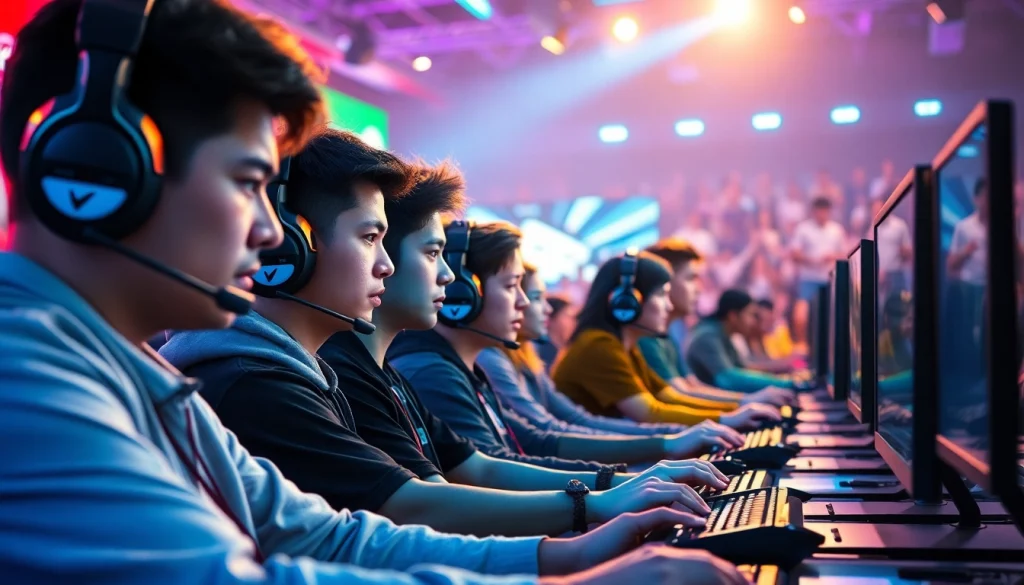
The Rise of Esports: Understanding the Phenomenon
In recent years, the world of competitive gaming, known as esports, has exploded into a global phenomenon. With millions of viewers tuning in to watch tournaments, supported by a robust ecosystem of professional players, teams, and sponsors, esports represents a significant segment of the entertainment industry today. For those looking to dive deeper into this captivating realm, https://gamelevate.com serves as an excellent resource for insights, news, and updates.
What Are Esports?
Esports, or electronic sports, refers to organized, multiplayer video game competitions, particularly between professional players, individually or as teams. Esports can encompass a wide variety of gaming genres, including multiplayer online battle arenas (MOBAs), first-person shooters (FPS), real-time strategy games (RTS), and sports simulations, among others. The competitive aspect of esports has grown to include league play, tournaments, and even world championships with significant prize pools. As such, esports is not merely about playing video games, but requires strategic thinking, rapid reflexes, and teamwork.
History and Evolution of Competitive Gaming
The roots of competitive gaming can be traced back to the early days of arcade gaming in the 1970s and 80s, where players would compete for high scores on machines like Pac-Man and Space Invaders. However, the formal arrangement of competitions began with the advent of home gaming consoles in the late 1980s and early 1990s. Games like Street Fighter II inspired local tournaments and gatherings where players could showcase their skills. The rise of the internet facilitated further development, enabling players from different geographical regions to compete against each other.
Throughout the 2000s, esports began to grow into a structured industry. The establishment of leagues and tournaments, such as the World Cyber Games (WCG) and the Electronic Sports World Cup (ESWC), brought a level of legitimacy and organization, leading to increasing visibility and credibility of competitive gaming. Fast forward to today, esports leverages platforms like Twitch and YouTube for streaming tournaments, gathering massive audiences, and monetizing the content through ads and subscriptions.
Impact of Social Media on Esports Popularity
Social media has played a crucial role in the exponential growth of esports. Platforms like Twitter, Instagram, and TikTok have allowed players and teams to engage directly with fans, sharing updates, behind-the-scenes content, and personal insights into their lives as competitive gamers. This interaction has cultivated a sense of community and brought fans closer to the action. Additionally, social media serves as a powerful marketing tool, allowing organizations to promote events, stream schedules, and merchandise, further fueling engagement and interest in esports.
Key Components of the Esports Ecosystem
The esports ecosystem comprises several key components that work synergistically to ensure its success and sustainability. Understanding these components can provide insights into how this industry operates and why it continues to thrive.
Professional Players: Skills and Training
Professional esports players are often likened to athletes in terms of the skills they must develop and the dedication they must exhibit. Beyond just playing games, these individuals engage in rigorous training regimens focused on strategy, mechanics, and teamwork. Players typically hone their skills through hours of practice and analysis of gameplay. Additionally, many successful players invest in physical fitness to maintain their overall health, as mental acuity and physical wellness are intricately linked in high-performance gaming.
Training regimens might also include studying competitors, analyzing game statistics, and participating in mock tournaments to refine strategies. Team dynamics play a significant role, with players often undergoing team-building exercises to enhance communication and collaboration during competitive matches.
Teams and Organizations in Esports
Esports teams consist of highly skilled players who come together to compete in various titles. These organizations often acquire sponsorships, have coaches, analysts, and support staff that are vital to developing winning strategies and managing the team. Major teams have developed brand identities that resonate with fans, utilizing social media to foster a loyal following and engage with supporters.
Top-tier organizations frequently invest in talent scouting and player development, signing young prospects who show potential while providing training and resources to cultivate their skills. Such structures mirror traditional sports teams, where collaboration and structured management are essential components of success.
Streaming Platforms: Where to Watch
Streaming platforms have transformed how audiences consume esports content. Sites like Twitch, YouTube Gaming, and Facebook Gaming have become the primary venues for viewing live esports events and player streams. These platforms allow fans to interact in real-time, discuss strategies, and celebrate victories together. Many players turn to streaming to supplement their income, build personal brands, and engage with the fan community directly.
The accessibility of these platforms and the variety of content available—ranging from tutorials to competitive matches—has attracted millions of viewers, further solidifying esports as a mainstream entertainment option.
Popular Esports Games: A Comprehensive Overview
The realm of esports is as diverse as the gaming industry itself, with various titles commanding substantial followings. Here’s a closer look at some of the most popular esports games and the dynamics that define their gameplay.
Current Leading Titles in Esports
A few titles consistently rise to the top in the competitive gaming arena. Games such as League of Legends, Dota 2, Counter-Strike: Global Offensive, and Fortnite have carved out significant niches, boasting massive player bases and lucrative tournaments. League of Legends, for instance, is particularly known for its annual World Championship, where millions watch to see the best teams compete for the title.
Counter-Strike: Global Offensive (CS:GO) remains a staple in the esports community due to its intense tactical gameplay and the high skill ceiling required to excel. Similarly, titles like Valorant are making waves with their blend of first-person shooter mechanics and strategic gameplay inspired by classic tactical shooters.
Genres and Categories of Esports Games
Esports can be categorized into different genres, including MOBAs, FPS, RTS, and sports simulations. Each genre presents unique challenges and gameplay dynamics, contributing to a well-rounded competitive environment. MOBAs like League of Legends are characterized by teamwork, strategy, and map control, while FPS games emphasize precision aiming and reflexes.
Real-time strategy games require players to build and manage resources efficiently while executing strategic military maneuvers. The diversity across these genres allows for a variety of play styles, ensuring there is something for every type of gamer within the esports community.
Analysis of Trends in Game Popularity
As the esports landscape continues to evolve, tracking trends in game popularity gives insight into consumer preferences and industry direction. Titles that embrace innovative gameplay mechanics or introduce engaging narratives often draw large audiences. For instance, the rise of battle royale games like Fortnite showcased the appetite for competitive gameplay that also provides a fun and casual gaming experience.
The analytics of viewership and player participation further illustrate these trends. Games that host regular updates and seasonal events attract and retain players effectively, creating buzz around the gaming community. Understanding which games are trending helps developers and organizations tailor their marketing strategies and engage with the target audience effectively.
Join the Community: How to Get Involved with Esports
As esports becomes more inclusive and accessible, many enthusiasts are looking to get involved. Whether as a player, fan, or community supporter, there are various pathways to engage with the esports world.
Becoming a Player: Steps to Get Started
For those aspiring to become professional gamers, it is essential to start by selecting a genre or game that resonates with personal interests. Regular practice, participation in casual tournaments, and joining online gaming communities can help budding players refine their skills and gain exposure. Many players document their journey through streaming or social media, connecting with others who share similar passions.
Additionally, numerous platforms support player progression through ranked matches and competitions, allowing individuals to showcase their skills and gain recognition. With the growing number of amateur leagues and tournaments, aspiring professionals can gain experience and attract the attention of larger organizations.
Fan Engagement: Following Your Favorite Teams
Fans play a pivotal role in the esports ecosystem. Following teams on social media, engaging in discussions on forums, and attending events are excellent ways to support favorite teams or players. Community engagement creates a sense of camaraderie, enhances the spectating experience, and helps build a loyal fan base.
Esports organizations actively cultivate fan engagement by offering merchandise, hosting meet-and-greet events, and creating content that resonates with their audience. Engaging with fellow fans and sharing the excitement of wins, losses, and player stories contribute significantly to the overall culture of esports.
Local Tournaments and Events to Attend
Attending live esports events is an exhilarating experience for fans and players alike. Local tournaments often pave the way for grassroots participation and support the development of regional talent. Many cities host gaming conventions, LAN parties, and smaller competitions that not only attract local players but also provide a platform for networking and collaboration among enthusiasts.
Major events such as world championships allow fans to witness high-stakes matches while enjoying community activities and interactions. Engaging with the esports community in person fosters connections and allows individuals to immerse themselves in the captivating atmosphere of competitive gaming.
The Future of Esports: What Lies Ahead
The future of esports is bright, characterized by rapid technological advancements and evolving paradigms in content creation and monetization. As the industry continues to expand, various aspects will shape its trajectory.
Technological Advancements Shaping Esports
Technology is a driving force in the evolution of esports. We are witnessing innovations like virtual reality (VR) and augmented reality (AR) games that offer immersive experiences. Enhanced graphics and faster gaming hardware enhance the gameplay experience, making it more engaging for players and spectators alike.
Additionally, advancements in streaming technology enable smoother broadcasts with lower latency, allowing fans to enjoy high-quality live content without interruptions. As platforms improve their capabilities, esports will likely reach wider audiences, further increasing its popularity.
Monetization and Sponsorships in Esports
Monetization strategies in esports are diversifying beyond traditional advertising. Organizations are exploring sponsorship deals, merchandise sales, and in-game advertising as viable revenue sources. Brands recognize the vast audience within the esports community, leading to lucrative partnerships that benefit all parties involved.
Many esports organizations utilize pay-per-view models during prestigious events, offering exclusive content and experiences to fans. This shift toward alternative revenue streams is essential for sustaining the industry and supporting the growth of teams and players.
Predictions for the Next Decade in Competitive Gaming
Looking toward the future, we can anticipate significant growth in esports, both in viewership numbers and participation. As awareness and acceptance of gaming as a legitimate form of entertainment continue to rise, more structured leagues resembling traditional sports may emerge. This evolution will likely include investment in infrastructure, more organized collegiate esports programs, and a richer ecosystem of amateur competitions to support aspiring professionals.
Furthermore, as diversity and inclusion become hallmarks of the gaming community, we can expect an influx of talent from various backgrounds. As esports continues to break down barriers and reach new audiences, it will forge a path for innovative gameplay experiences, ensuring that the future remains bright for competitive gaming enthusiasts.