


Anxiety symptoms are often your body’s way of signaling that something is off. While many people focus only on the mental aspects of anxiety, physical symptoms can provide critical clues about your emotional state. At Calm Minds Hub, we emphasize the importance of listening to your body to recognize Anxiety symptoms early and take proactive steps toward managing it.
The Connection Between Anxiety Symptoms and the Body
Your body reacts to stress and worry in ways that may not always be obvious. Anxiety symptoms often manifest physically before you fully recognize the emotional impact. These physical signs are your body’s alert system, indicating that stress levels are high and intervention may be needed.
Common Physical Anxiety Symptoms
- Racing Heartbeat – Your body may signal anxiety through a faster heart rate, even at rest.
- Muscle Tension – Neck, shoulders, and jaw muscles can tighten without conscious effort.
- Shortness of Breath – Feeling like you can’t catch your breath is a common physical anxiety symptom.
- Digestive Discomfort – Nausea, stomach cramps, or diarrhea can indicate rising anxiety symptoms.
- Fatigue – Chronic mental strain can leave you physically exhausted.
- Sleep Problems – Difficulty falling or staying asleep is often an early signal from the body.
- Sweating and Trembling – These physical responses often occur during heightened anxiety episodes.
Subtle Physical Cues
Sometimes anxiety symptoms appear in ways that are easily overlooked, such as frequent headaches, restlessness, or mild dizziness. Paying attention to these subtle signals can help you identify anxiety before it escalates.
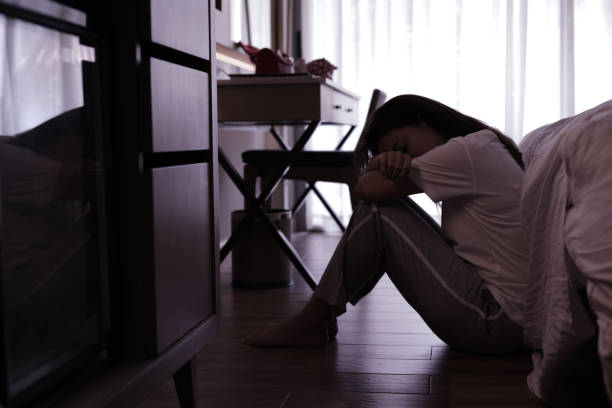
Emotional Signals Your Body May Show
Anxiety symptoms also have emotional manifestations that are closely tied to physical signs:
- Excessive Worry – Persistent nervousness or fear often accompanies physical tension.
- Irritability – Small frustrations can feel overwhelming.
- Restlessness – Feeling “on edge” is often paired with physical symptoms like muscle tightness.
- Mood Swings – Sudden emotional changes can indicate heightened anxiety.
- Panic Episodes – Intense fear, accompanied by racing heart or shortness of breath, is a severe form of anxiety symptoms.
How to Interpret Your Body’s Signals
Understanding what your body is telling you about anxiety symptoms is key to prevention and management. Physical symptoms often appear first, signaling that your emotional state needs attention. By observing patterns—such as recurring muscle tension, digestive issues, or sleep disturbances—you can take steps to address anxiety symptoms before they impact your quality of life.
Managing Anxiety Symptoms Through Body Awareness
Being aware of anxiety symptoms and responding proactively can reduce both physical and emotional distress:
- Mindfulness and Meditation: Helps you recognize physical and emotional cues early.
- Exercise: Relieves tension, improves mood, and reduces fatigue.
- Breathing Techniques: Calms racing heartbeat and shortness of breath.
- Healthy Sleep Habits: Restful sleep supports both body and mind.
- Therapy and Counseling: Cognitive-behavioral therapy can help interpret your body’s signals and manage anxiety symptoms effectively.
FAQs About Anxiety Symptoms
Q1: Can my body’s physical reactions really indicate anxiety?
Yes, anxiety symptoms often show up physically first. Muscle tension, fatigue, and digestive issues are common signs your body is responding to stress.
Q2: How do I know if my physical symptoms are due to anxiety or a medical condition?
If symptoms persist, worsen, or interfere with daily life, it’s important to consult a healthcare professional to rule out other medical causes.
Q3: Can paying attention to my body reduce anxiety symptoms?
Absolutely. Recognizing physical cues early allows you to manage anxiety symptoms through mindfulness, exercise, and stress-reduction techniques.
Listening to your body is a crucial part of understanding anxiety symptoms. Physical signs such as racing heartbeat, muscle tension, digestive discomfort, fatigue, and sleep disturbances often provide the first clues that stress levels are high. Emotional manifestations, including excessive worry, irritability, and restlessness, are closely linked to these physical symptoms. By interpreting these signals and taking proactive steps—such as practicing mindfulness, exercising, maintaining healthy sleep habits, and seeking professional support—you can manage anxiety symptoms effectively, reduce stress, and cultivate a calmer, healthier mind and body at Calm Minds Hub. Navigate effortlessly by returning to our clean, organized homepage.
Contact Us:
Name: Calm Minds Hub
Address: London Eye, Riverside Building, County Hall, Westminster Bridge Rd, London SE1 7PB, United Kingdom
Website: https://calmmindshub.com/


