
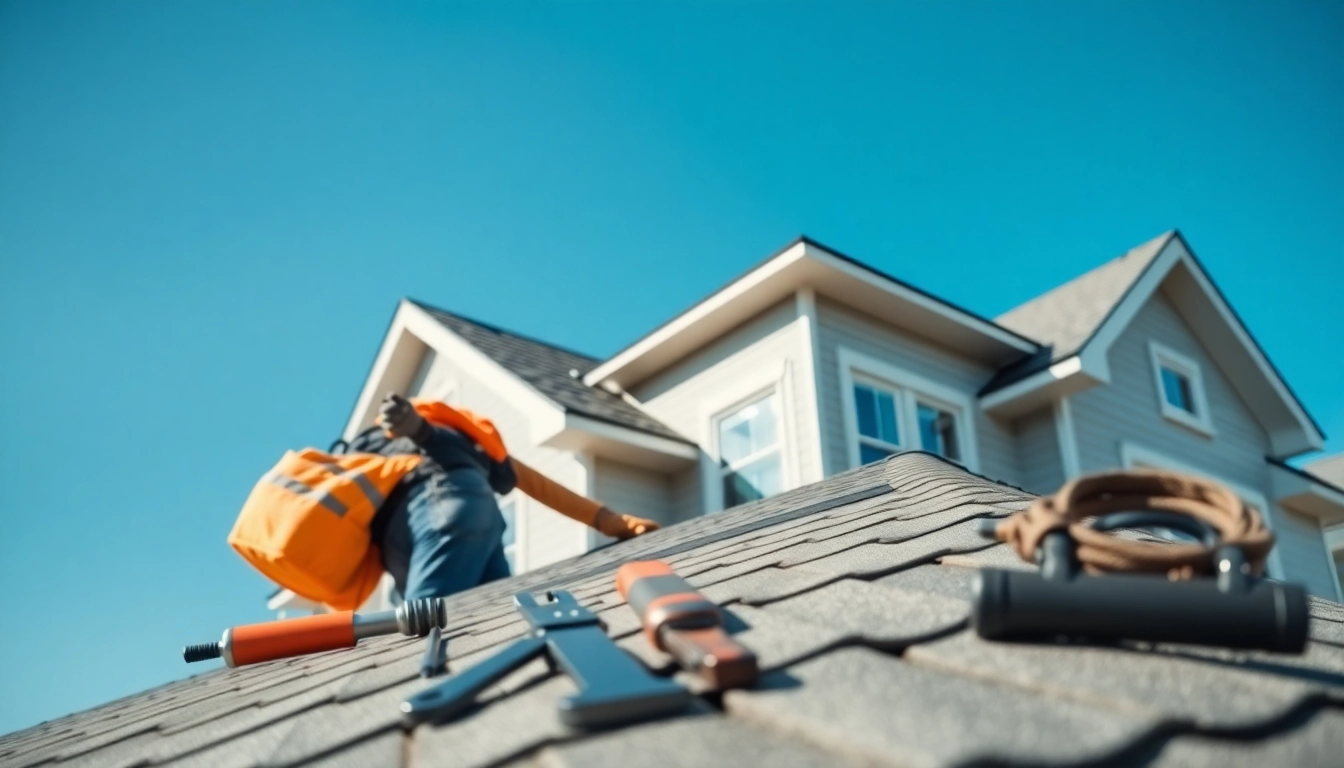
Understanding Roof Repair Essentials
Keeping your home safe and secure often begins with a solid roof overhead. The importance of maintaining your roof cannot be overstated; it is your first line of defense against weather elements. Issues can arise unexpectedly, and knowing the Roof repair essentials can help you act quickly and effectively. This article dives into the common roofing issues, signs that indicate it’s time for repairs, and why timely interventions are crucial.
Common Roofing Issues
Various factors contribute to the deterioration of roofs over time. Here are some of the most common issues:
- Leaky Roofs: Leaks can occur due to weather damage, poor installation, or age. They can lead to water damage inside the home, so addressing them immediately is vital.
- Missing Shingles: High winds or heavy storms can dislodge shingles, exposing the underlayment to the elements.
- Damaged Flashing: Flashing is used to direct water away from critical areas such as chimneys and vents. If flashing is bent or damaged, it can lead to leaks.
- Ponding Water: Poor drainage can cause water to accumulate on the roof. This can lead to structural damage over time if not addressed.
- Moss and Algae Growth: A buildup of moss, algae, and lichen can retain moisture and promote decay.
Signs Your Roof Needs Repair
Recognizing the signs of roof damage is crucial for homeowners. Here are some red flags:
- Water Stains: Brown or yellow stains on your ceiling or walls can indicate a roof leak.
- Drooping Roof Deck: A sagging roof can suggest underlying structural problems.
- Outside Light: If you can see light shining through gaps in your roof, it indicates serious issues that need immediate attention.
- Granule Loss: Excessive granule loss from shingles may lead to premature roof failure.
- Increased Energy Bills: Drafts or heat loss due to roof damage can lead to higher heating and cooling costs.
Importance of Timely Roof Repair
Addressing roof issues promptly is not just about preserving the aesthetics of your home; it is also about safety and financial prudence. Delayed repairs can lead to more significant damage, which can escalate costs and impact the home’s structural integrity. Additionally, timely repairs improve energy efficiency and prolong the roof’s lifespan, thus avoiding the high costs of a complete roof replacement.
Choosing the Right Roof Repair Materials
Selecting the appropriate materials for roof repair can significantly affect the durability and performance of your roofing system. Here’s what you should consider.
Types of Roofing Materials
There are several types of materials available for roof repairs:
- Asphalt Shingles: Common due to their affordability and ease of installation. They work well for a variety of weather conditions.
- Metal Roofing: Extremely durable and long-lasting, metal is a great choice for those looking for longevity and low maintenance.
- Clay and Concrete Tiles: Known for their aesthetic appeal and ability to withstand extreme weather.
- Slate: Highly durable and visually appealing, but it’s one of the more expensive options.
- EPDM and TPO Roofing: Common in commercial applications, these synthetic rubbers are durable and resist UV radiation.
Factors to Consider When Selecting Materials
When choosing roofing materials, consider the following factors:
- Climate: Different materials perform differently under various climate conditions. For example, metal may be best for snowy regions.
- Building Codes: Ensure your selected materials comply with local building codes and regulations.
- Budget: Consider the cost not only for purchase but also for installation and long-term maintenance.
- Longevity: Assess the expected lifespan of the materials to get the best return on investment.
- Aesthetic Preferences: The material should complement your home’s architectural style.
Eco-friendly Roof Repair Options
Environmentally conscious homeowners may want to choose sustainable materials. Consider options like:
- Recycled roofing materials: Products made from recycled materials can significantly reduce waste.
- Green roofs: Living roofs covered with vegetation can reduce heat absorption and improve air quality.
- Cool roofing: Reflective roofing materials can lower energy usage by reducing heat absorption.
Hiring Professionals for Roof Repair
When it comes to significant roof issues, hiring professionals can save you time and ensure quality repairs. Here’s how to find the right service.
How to Find Reliable Roof Repair Services
Choosing a roof repair service requires careful consideration. Start by asking for recommendations from family, friends, or neighbors. You can also check online reviews and ratings to gauge the reputation of various contractors. Ensuring a thorough background check of potential candidates is essential to find a trusted and reliable contractor.
Questions to Ask Your Roofer
When interviewing potential roofers, ask the following questions:
- What is your licensing and insurance status? Confirm they are licensed and insured for your protection.
- Can you provide references? Check previous client reviews and feedback.
- What warranties do you offer? Understand the length and coverage of their warranties on materials and labor.
- What is the expected timeline for completion? A reliable contractor will provide a clear timeline.
- What is your approach to safety? They should prioritize safety for their workers and your property.
Importance of Checking Credentials
Verifying the credentials of your roofing contractor ensures that you’re entrusting your roof to qualified professionals. A licensed contractor adheres to state and local building codes, which offers peace of mind. Additionally, their insurance protects you from liabilities related to accidents or damage during repairs.
DIY Roof Repair: What You Need to Know
For minor roofing issues, a DIY approach may be tempting. However, it is essential to know when it is appropriate to take matters into your own hands.
Basic Tools for Roof Repair
Should you decide to attempt minor repairs yourself, here’s a list of essential tools:
- Ladders: A sturdy ladder is crucial for safe access to your roof.
- Roofing Nails and Hammer: Essential for securing shingles.
- Utility Knife: Useful for cutting roofing materials.
- Caulk and Caulking Gun: Necessary for sealing gaps to prevent leaks.
- Safety Gear: Helmets and harnesses to protect yourself during repairs.
Step-by-Step Guide for Minor Repairs
For simple roof repairs, follow these steps:
- Assess the Damage: Identify the specific area that requires repair.
- Obtain Materials: Gather the materials required for the repair.
- Safety First: Ensure you wear appropriate safety gear and work on a dry day.
- Complete the Repair: Make the necessary repairs carefully following the guidelines for your specific material.
- Inspect Your Work: After repairs, take a moment to inspect your work to ensure everything is secure.
When to Avoid DIY and Call Experts
While DIY repairs can be cost-effective, certain situations warrant professional assistance:
- Severe Weather Damage: Major storms can cause hidden damage that requires expert inspection.
- Structural Issues: If damage affects the roof’s integrity, it’s best to consult with professionals.
- Safety Hazards: Accessing steep roofs or working at heights can be dangerous without proper training.
- Warranty Issues: Some repairs may void the warranty, so check before proceeding independently.
Maintaining Your Roof for Longevity
Regular maintenance is key to extending the lifespan of your roof. Implementing proactive measures can help you avoid costly repairs.
Regular Inspection Guidelines
Conducting routine inspections is crucial. Aim to check your roof at least twice a year, ideally in the spring and fall. Look for signs of wear and tear, including curling or missing shingles, rusted flashing, and moss growth. Don’t forget to inspect the attic for signs of leaks or inadequate ventilation.
Seasonal Maintenance Tips
Different seasons present unique challenges for roof maintenance:
- Spring: Clear debris and check for damage after winter storms.
- Summer: Inspect for heat and UV damage, ensuring ventilation is effective.
- Fall: Remove leaves and debris to prevent clogging gutters and promoting rot.
- Winter: Watch for ice dams that can form and cause leaks.
Benefits of Preventative Roof Repair
Engaging in preventative maintenance brings numerous benefits, including:
- Cost Savings: Preventing small issues from escalating can save money in the long run.
- Increased Lifespan: Regular maintenance can double the life expectancy of your roof.
- Increased Property Value: A well-maintained roof enhances the overall value of your home.
Frequently Asked Questions
1. How often should I inspect my roof?
It’s recommended to inspect your roof at least twice a year, particularly in the spring and fall.
2. Can I repair my roof myself?
Minor repairs can be DIY, but for major damage or safety concerns, hiring a professional is advisable.
3. How do I know if a roof repair is necessary?
Look for signs such as water stains on ceilings, missing shingles, or outside light showing through your roof.
4. What are the most durable roofing materials?
Metal roofing, slate, and clay tiles are among the most durable roofing materials.
5. Is preventative maintenance worth it?
Yes, regular maintenance can save you money in repairs and extends the lifespan of your roof.