

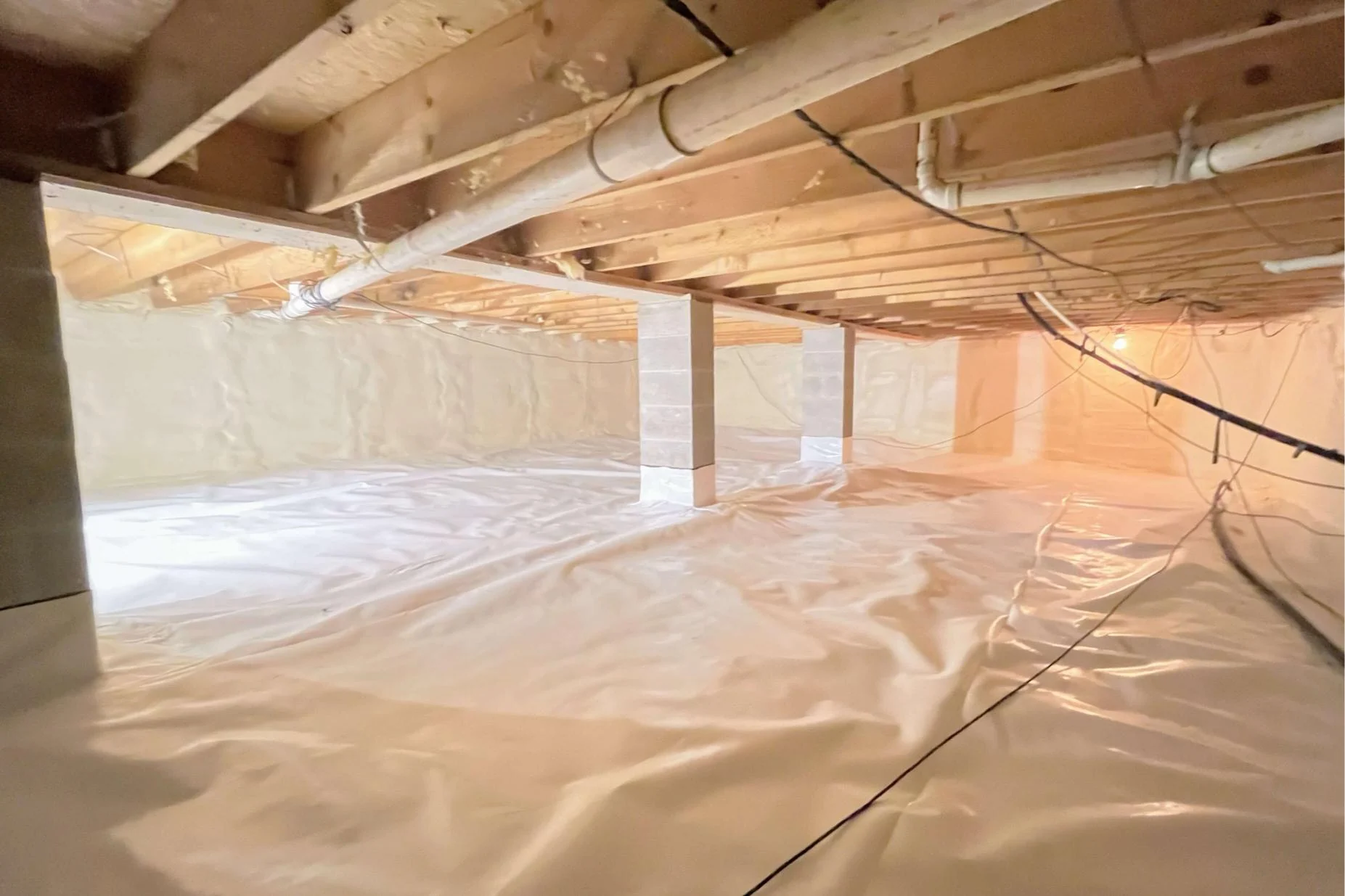
When it comes to protecting your home from the damaging effects of moisture, vapor barrier installation is one of the most effective solutions. A vapor barrier acts as a protective layer that prevents moisture from seeping into your living space, thereby reducing the risk of mold, mildew, and water damage. In this article, we will discuss the importance of vapor barrier installation and why it should be a priority for every homeowner.
What Is a Vapor Barrier?
A vapor barrier is a material designed to resist the passage of moisture through walls, floors, and ceilings. These barriers are typically made from polyethylene or other durable materials that provide an effective moisture barrier. The purpose of vapor barrier installation is to prevent moisture from infiltrating areas that are prone to water damage, such as basements, crawl spaces, and foundations.
Why Is Vapor Barrier Installation Important?
Preventing Mold and Mildew
One of the primary benefits of vapor barrier installation is its ability to prevent the growth of mold and mildew. Moisture buildup in hidden spaces like basements or under flooring can create the perfect breeding ground for these harmful fungi. By installing a vapor barrier, you can significantly reduce the chances of mold and mildew formation, ensuring a healthier living environment.
Protecting Structural Integrity
Excess moisture can weaken the structural integrity of your home over time. Wooden beams, drywall, and insulation materials can deteriorate when exposed to high humidity levels. A proper vapor barrier installation helps protect these materials by keeping moisture at bay, extending the lifespan of your home’s structure and preventing costly repairs.
Improving Indoor Air Quality
Moisture accumulation can lead to poor indoor air quality, which can negatively impact your health. A vapor barrier installation helps reduce the amount of moisture in the air, preventing dust mites, allergens, and other pollutants from thriving. This results in cleaner, fresher air for you and your family to breathe.
Areas That Benefit from Vapor Barrier Installation
Crawl Spaces
Crawl spaces are often one of the most overlooked areas when it comes to moisture control. Without a proper vapor barrier installation, these spaces can accumulate moisture from the ground, which can then rise into the rest of the house. This can lead to issues with mold, odors, and even compromised structural integrity. Installing a vapor barrier in crawl spaces helps maintain a dry environment and improves the overall comfort of your home.
Basements
Basements are another area where vapor barrier installation is crucial. Since basements are typically located below ground level, they are more susceptible to moisture infiltration. Whether it’s from the soil surrounding your foundation or from high humidity levels, a vapor barrier can provide the protection needed to keep your basement dry and usable. This can also help prevent the growth of mold, which is common in damp basements.
Foundations
Your home’s foundation is one of the most critical areas that can be affected by moisture. A poorly installed or absent vapor barrier can lead to water seeping into your foundation, causing cracks and weakening the structure. Vapor barrier installation around your foundation is essential for ensuring that moisture does not compromise the integrity of your home.
How Is Vapor Barrier Installation Done?
Step 1: Site Preparation
Before beginning the vapor barrier installation, the site must be properly prepared. This involves clearing the area of any debris, ensuring the surface is smooth, and checking for any existing moisture problems. It’s essential to address any pre-existing water issues to ensure the vapor barrier functions effectively.
Step 2: Choosing the Right Material
Selecting the right material is a critical part of the vapor barrier installation process. Most vapor barriers are made from thick polyethylene sheeting, but it’s important to choose a product that suits your specific needs. Factors such as thickness, durability, and UV resistance should be considered based on the area you’re installing the barrier in.
Step 3: Installation
Once the site is prepared and the right material is chosen, the installation process begins. The vapor barrier is rolled out over the designated area and sealed around the edges to ensure no moisture can get through. In crawl spaces or basements, the barrier is often laid on the floor, while in foundations, it may be installed on the exterior or interior walls.
Step 4: Sealing and Maintenance
After the vapor barrier installation is complete, it’s essential to seal all seams and edges to ensure maximum moisture protection. Over time, the barrier may require maintenance or replacement, especially if it’s exposed to extreme conditions or if the material begins to degrade.
Conclusion
Vapor barrier installation is a simple yet highly effective solution for protecting your home from moisture damage. Whether you’re concerned about mold, mildew, or the structural integrity of your home, installing a vapor barrier provides long-term protection and peace of mind. If you’re unsure where to begin, it’s always a good idea to consult a professional to ensure the installation is done correctly. By prioritizing vapor barrier installation, you’re making an investment in your home’s health, comfort, and longevity. Don’t wait for moisture problems to arise—take action today and safeguard your home with a professional vapor barrier installation.


